CO2 Extraction: What Happens Before the Bottle

Definition
CO2 extraction uses carbon dioxide, held above its critical point, as a solvent that pulls cannabinoids and other compounds out of milled hemp. What comes out of the vessel is a thick concentrate. It becomes CBD oil later, once it is blended with a carrier oil at a measured ratio.
One concentrate, one carrier oil
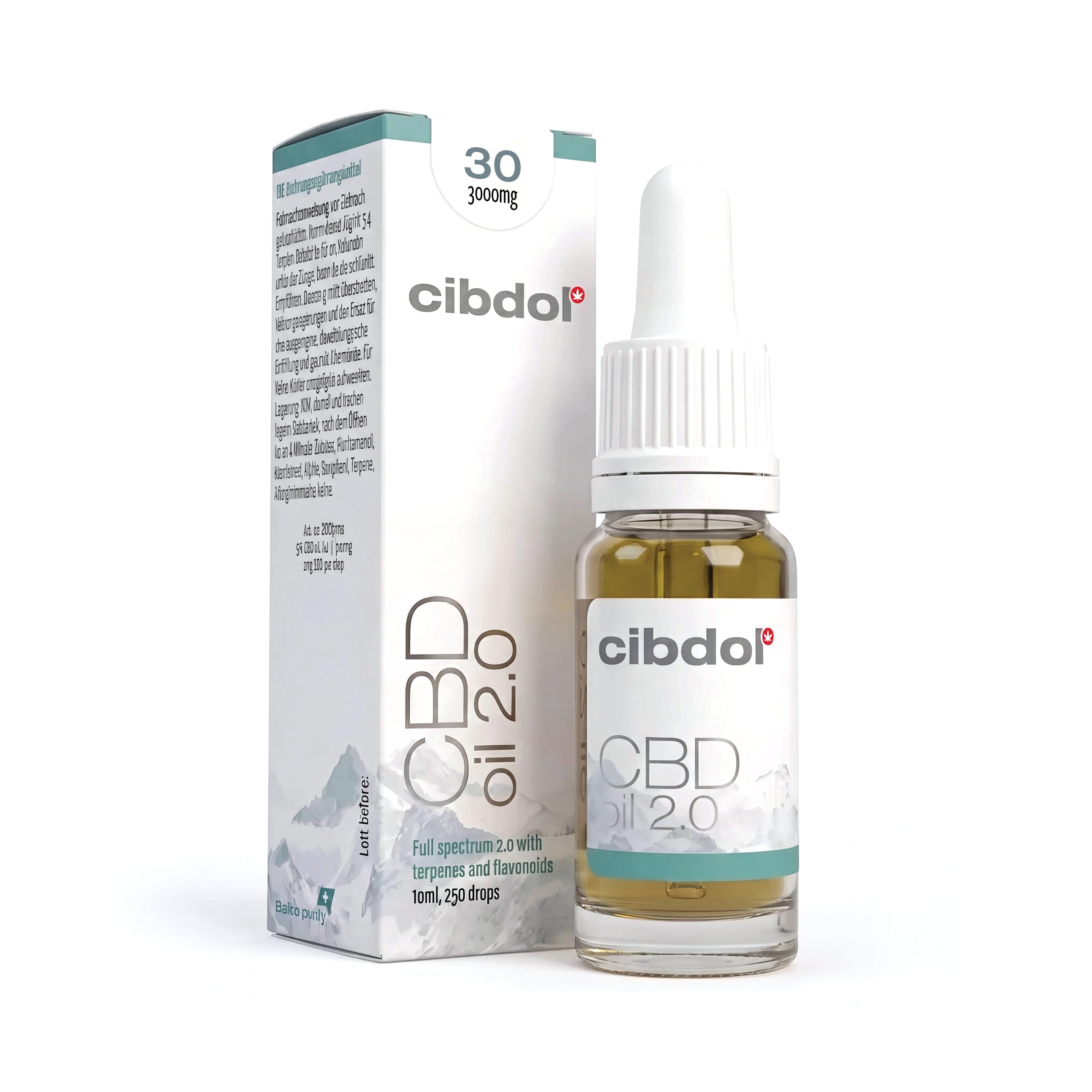
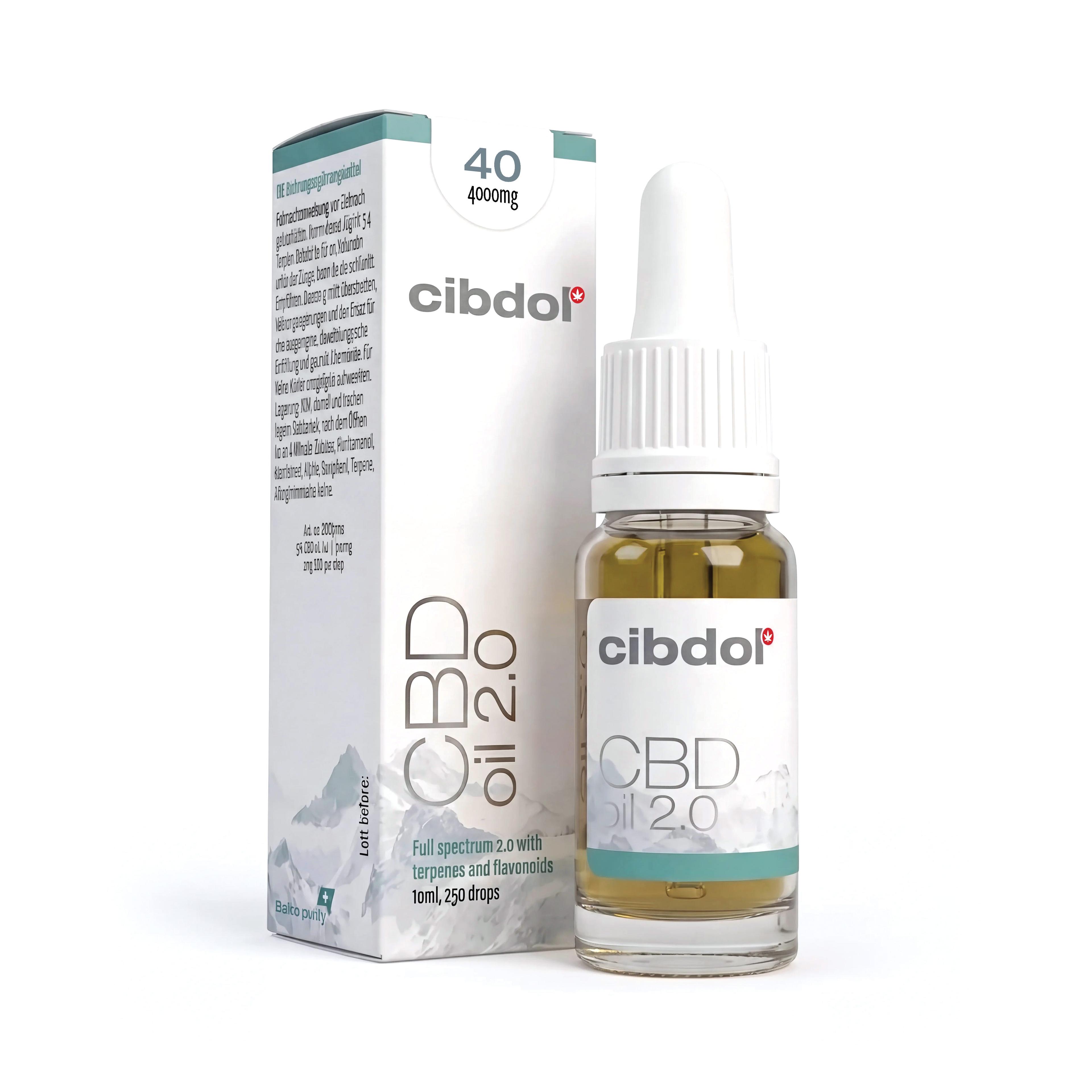
What's actually inside a bottle of CBD oil? Two things. A concentrated hemp extract, and a carrier blend that dilutes that extract down to the percentage printed on the label. Everything upstream of the bottle is chemistry plus an industrial sequence, in that order.
CO2 extraction is the name of that sequence. Carbon dioxide is pushed into a pressure vessel that holds milled plant material, it dissolves what it can dissolve, and then it leaves again as a gas. What stays in the collection vessel is the concentrate.
The short version fits in a paragraph. The interesting part sits in the variables: pressure, temperature, how long the fluid circulates, and what the operator decides to leave behind in the vessel. Two extracts from the same harvest can look different because of those settings alone.
This page stays at the level of what happens and why it happens. The order matters more than the vocabulary. Here's what a finished bottle is made of, and what the process is made of.
- The extract: the cannabinoids, terpenes and other plant compounds that dissolved into the CO2 during the run.
- The carrier: a food oil that holds the extract and sets the final concentration in the bottle.
- The chemistry: carbon dioxide acting as a solvent, with its density set by pressure and temperature.
- The sequence: milling, extraction under pressure, depressurisation, collection, then analysis of the batch.
- The label: a percentage that an independent batch report should confirm, not a number you have to take on faith.
Gas, liquid, and the state in between
Carbon dioxide at ambient pressure is unremarkable. It's a gas. It fills whatever space you give it and dissolves almost nothing worth extracting. As a solvent at room conditions, it's useless.
Pressurise it below 31.1 °C and it turns into a liquid. Now it's dense, and dense fluids dissolve things. The problem shows up at the plant end: liquid CO2 does not travel into solid plant matter anywhere near as well as it needs to. Milled hemp isn't a puddle you can stir a solvent into. It's a solid with structure, and a solvent has to get inside that structure to reach anything.
Take the same carbon dioxide above 31.1 °C and above 73.8 bar and something else happens. The two states stop being separate. There's one fluid, neither strictly gas nor strictly liquid, and it borrows from both. It diffuses through solid plant material roughly the way a gas would. It dissolves roughly the way a liquid would.
That combination is the entire reason the industry bothered with pressure vessels in the first place. A solvent that only dissolves well is slow. A solvent that only penetrates well brings nothing out. Supercritical CO2 does both at once, in the same pass.
Those two numbers, 31.1 °C and 73.8 bar, are the critical point of carbon dioxide. Both conditions have to be met, not just one. Cross both and you're working in a different regime. Stay under either one and you're back to a gas or a liquid, with the limits that come with each.
One solvent, many settings
Density is the property that makes this method flexible. Rovetto and Aieta, in 2017 [1], describe it as the fluid's key adjustable property: shift the pressure, shift the temperature, and the density shifts with them.
Density decides two things at once. How much the fluid can dissolve. And which compounds it takes with it.
That's why supercritical CO2 isn't a fixed solvent the way ethanol or butane are fixed. Ethanol is ethanol. Its behaviour is a given, and you work around it. Supercritical CO2 is a set of conditions you choose, run by run, and the same vessel with the same plant material yields a different extract when the settings move.
For the person reading a label, that matters in one practical way: the method name on the box tells you the family of process used, not the recipe. Two producers can both write supercritical CO2 and run entirely different pressures and temperatures. What they end up with will differ. The only way to know what's in a specific bottle is the analysis of that specific batch.
None of this is exotic engineering. It's a pump, a vessel, a set of valves and a temperature you hold steady for hours. The skill sits in choosing the numbers and repeating them, batch after batch.
Selectivity is also why extraction and formulation are separate jobs. The extract that comes out of the vessel is concentrated and thick. It becomes an oil later, when it's blended with a carrier at a measured ratio. Two steps, two sets of decisions, both worth asking about.
The run, from milling to collection
Hemp goes in milled, not whole. Grinding the dried material opens up surface area so the fluid has somewhere to go, and a consistent grind is part of getting consistent runs. The milled material is loaded into a pressure vessel. Supercritical CO2 is then circulated through it, dissolving cannabinoids, terpenes, waxes and pigments as it passes.
At the end of the run comes the part that makes carbon dioxide attractive in food-grade production. The pressure is released. The CO2 returns to being a gas and separates from everything it was carrying. The extract stays in the collection vessel. There's no solvent to strip out, and nothing left to chase down in later testing, because the solvent has already left the building as a gas.
Compare that with any liquid solvent. It has to be removed, and removal has to be verified. With CO2, the residue question answers itself. That doesn't make the extract automatically good, it just closes one line of doubt.
Acid forms, heat and Wang's 2016 measurements
One more thing happens on the way, and it's chemistry rather than plumbing. Fresh hemp carries its cannabinoids mostly in acid form: CBDa rather than CBD. Heat converts one into the other, a reaction called decarboxylation. Wang and colleagues, in 2016 [2], followed that conversion for acidic cannabinoids under controlled conditions using supercritical fluid chromatography. Why it matters on a label: a batch report can list CBD and CBDa on separate lines. Both come from the same plant. How much sits in each line depends partly on the temperatures the material has seen.
Non-flammable, food-grade, and the coffee precedent
Carbon dioxide has two practical advantages that have nothing to do with cannabinoids. It doesn't burn, and it's food-grade [1]. Both matter when the room is full of pressurised solvent and the output ends up in a dropper bottle.
It's also not a new idea. The same technology decaffeinates coffee beans commercially, at industrial scale, and has done for decades. When a hemp producer talks about supercritical CO2, the equipment lineage runs back to food processing rather than to a lab bench.
There's a trade-off, and it's a plain one. CO2 costs more to install than the alternatives. It also gives more control over what goes into the extract and what stays in the vessel. Capital on one side, control on the other.
Our own extracts are produced with supercritical CO2, in Switzerland, and we've been working with cannabinoids since 2014. That date is useful for one reason: repeating a process for that long teaches you which variables change the batch and which ones just sound impressive.
If you want to check any of this rather than take it on trust, the batch analysis is the document that does it. Here's what to look at.
- The extraction method, named specifically, rather than a general claim about quality.
- The batch number on the bottle, and whether an analysis exists for that exact number.
- CBD and CBDa listed separately, since heat during processing moves the balance between them.
- The carrier oil, named as an ingredient rather than described in adjectives.
- The THC line, which on our products stays within the legal limit and is stated as a figure.
- Where the extraction happened, because a country of origin is checkable and a mood is not.
Frequently Asked Questions
4 questionsDoes supercritical CO2 leave anything behind in the oil?
Why 31.1 °C and 73.8 bar in particular?
What does a tunable solvent mean in practice?
Where are Cibdol extracts produced?
About this article


Luke Sholl has been writing about cannabinoids, CBD, and the broader benefits of nature since 2011. His background includes first-hand cannabis cultivation experience spanning the full seed-to-harvest lifecycle across so
This wiki article was drafted with AI assistance and reviewed by Luke Sholl, CBD & wellness writer. Editorial oversight by Joshua Askew.
Medical disclaimer. This content is for informational purposes only and does not constitute medical advice. Consult a qualified healthcare provider before use of any substance.
Last reviewed 27 серпня 2026 р.
References (2)
- [1]Rovetto, L.J. and Aieta, N.V. (2017). Supercritical carbon dioxide extraction of cannabinoids from Cannabis sativa L. DOI: https://doi.org/10.1016/j.supflu.2017.03.014
- [2]Wang, M. et al. (2016). Decarboxylation Study of Acidic Cannabinoids: A Novel Approach Using Ultra-High-Performance Supercritical Fluid Chromatography/Photodiode Array-Mass Spectrometry. DOI: https://doi.org/10.1089/can.2016.0020
Related Articles
Valencene: The Molecule Behind the Name
A sesquiterpene built from three isoprene units, fifteen carbons in total, formula C15H24. Here is what the chemistry fixes, and where the published record runs out.
Terpineol: Lilac, Not Pine
Hemp aroma gets talked about in pine and citrus. Terpineol sits somewhere else: a floral monoterpene alcohol whose name hides four isomers and whose boiling point is reported inconsistently.
Sabinene Explained: Formula, Family, Boiling Point
Sabinene sits in the terpene family, with the formula C10H16 and a molar mass around 136 g/mol. Here is what the chemistry fixes, and where the record for this single molecule stops.
Phytol: From Chlorophyll to a Boiling Point
A terpenoid with an alcohol group, a diterpene backbone, and a boiling point that only makes sense with its pressure condition attached. Here is what the record holds, and where it stops.
Ocimene, Described in Four Lines
A short, precise look at one aromatic molecule: its family in the terpene group, the four words used for its smell, and what the approximate 100 °C figure actually marks.
Guaiol: 15 Carbons, One Hydroxyl Group, Two Boiling Points
Guaiol is a sesquiterpene alcohol: a 15-carbon skeleton carrying a hydroxyl group. Here is its structure, its aroma profile, and why one molecule ends up with two very different boiling point figures.

Geraniol: Formula, Family, Boiling Point
Geraniol is a monoterpene alcohol with the formula C10H18O and a boiling point near 230 °C at atmospheric pressure. Here is what the chemistry pins down, and where the published record still opens out.
What Is Farnesene? Start With the Formula
Farnesene is a C15H24 hydrocarbon, and the name covers a family of isomers rather than a single compound. Here is the chemistry, the difference from farnesol, and what the plant record says.
Eucalyptol on a Lab Report: One Compound, Two Names
Eucalyptol and 1,8-cineole are the same molecule written two ways. Here are the terpene basics, the number that keeps getting quoted, and why the batch document matters more than the spelling.
