Educational content about cannabinoid science, not medical advice. Consult a healthcare professional before combining CBD products with medication. Our age policy
THC limits: which number applies where

Definition
A THC limit is a legally fixed maximum for delta-9-THC in one clearly defined object: a crop standing in a field, a food, a feed material, a cosmetic. Different objects, different numbers, different units. The 0.3% figure almost everyone quotes belongs to the first of those and to none of the others.
A rule written for growers
A THC limit is a maximum permitted amount of delta-9-THC, written into law, for one clearly defined object. The object matters more than the figure. And the figure nearly everyone has heard, 0.3%, was written for a plant growing in a field.
It lives in EU agricultural law. Its function there is variety cultivation eligibility under the Common Agricultural Policy, which is the formal way of saying it decides which hemp varieties a farmer may put in the ground and still have the crop count as hemp. The audience is growers. The sample comes off the crop. The result lands in an agricultural file.
Picture the paperwork behind it. A variety register, a certified seed lot, an inspector in a field with a sample bag, a laboratory result on plant material. Nobody in that chain is holding a bottle, a jar or a pack of shelled seeds. The scope is the field, not the shelf.
The threshold also exists in two versions. Until 2023 it read 0.2%. It was raised to 0.3%. Both numbers are still in circulation, and both get repeated as though they governed finished goods.
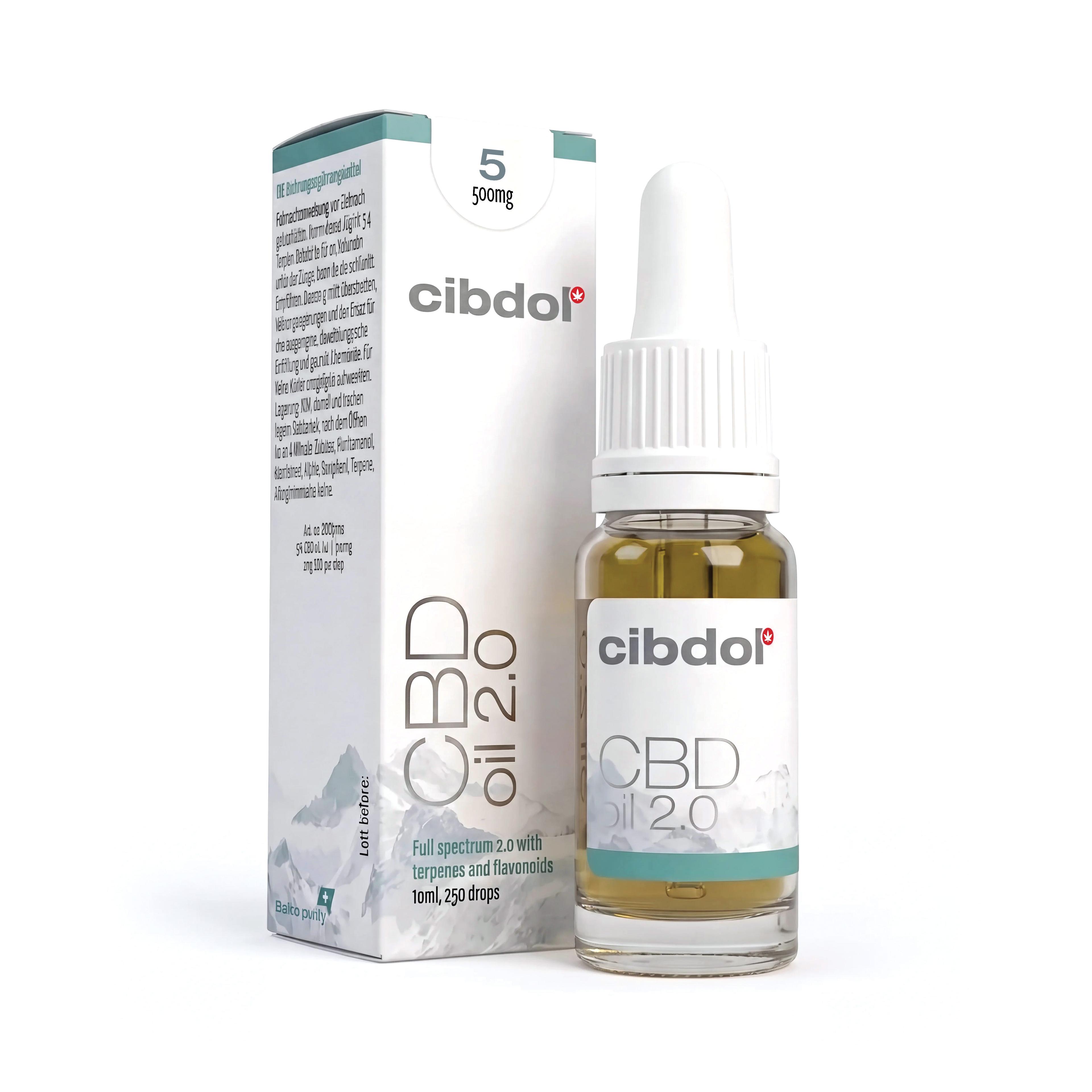
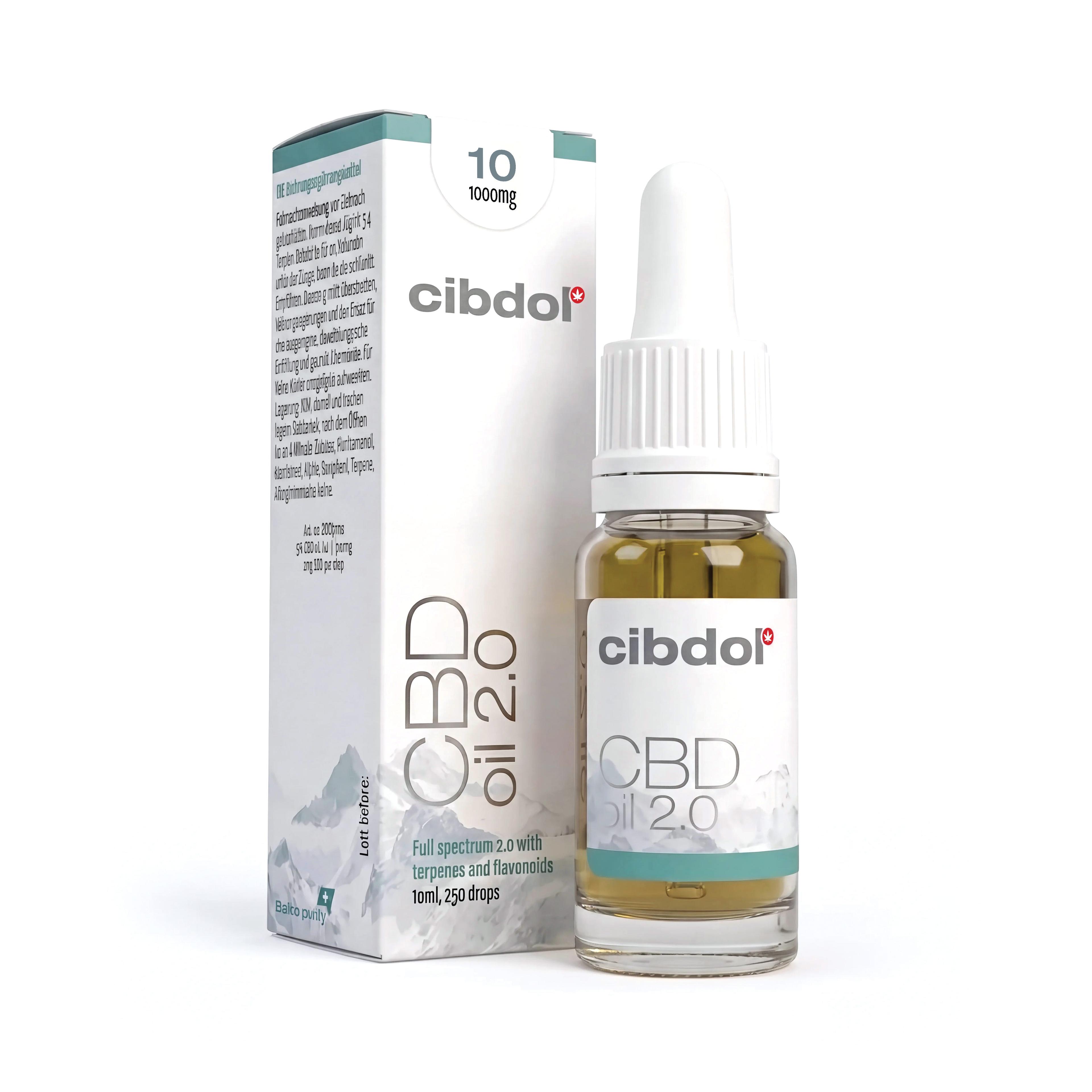
Here is the part that usually goes missing. The cultivation threshold is silent on the delta-9-THC content of an extract, a cream or a food. Processing, dilution and formulation all happen after harvest, and the field rule does not travel with the material through any of them. A compliant variety is where a supply chain starts. It is not a statement about what sits in a 10 ml pipette bottle.
Feed has its own figure. Hemp material intended for feed use is handled under 0.2%. Same plant, different destination, different number, different paperwork.
None of this makes 0.3% wrong. It makes it narrow. Read against a field, it answers the exact question it was built for. Read against a finished product, it answers a question that law never asked.
Converting percent into mg/kg
Percent and mg/kg carry the same information in different clothes, and the conversion is plain arithmetic. 0.3% is 0.3 g per 100 g. That is 3,000 mg/kg. Keep that number nearby, because every comparison below runs through it.
Food has its own limits, in mg/kg, split by category. Commission Regulation (EU) 2022/1393 sets 3.0 mg/kg delta-9-THC for hemp seeds and dry hemp-seed foods, and 7.5 mg/kg for hemp seed oil. Two products from one plant, two values, and a regulation identifier that hardly anyone recognises on sight.
Cosmetics are assessed on a separate track. The Scientific Committee on Consumer Safety, in the opinion carrying the identifier SCCS/1685/25, works with a THC impurity level of 0.00025%. Converted, that is 2.5 mg/kg. It is written as an impurity figure, which tells you what kind of number it is meant to be.
Now put them in one column, all in mg/kg. Cultivation: 3,000. Hemp-seed food: 3.0. Hemp seed oil: 7.5. Cosmetic THC impurity: 2.5. Feed sits under 0.2%, so 2,000. The field figure lands at 1,000 times the hemp-seed food limit, 400 times the seed-oil limit, and roughly 1,200 times the cosmetic impurity figure.
So a phrase like "under the 0.3% limit" can be perfectly accurate about a crop and still say nothing about the category a product belongs to. The product limits are fragmented by category by design. Each has its own object and its own text.
There is one more small tax on mg/kg. A percentage is self-contained. A milligram-per-kilo value needs a second quantity, the mass of the product, before it means anything at all about the container in your hand.
Reading a batch certificate
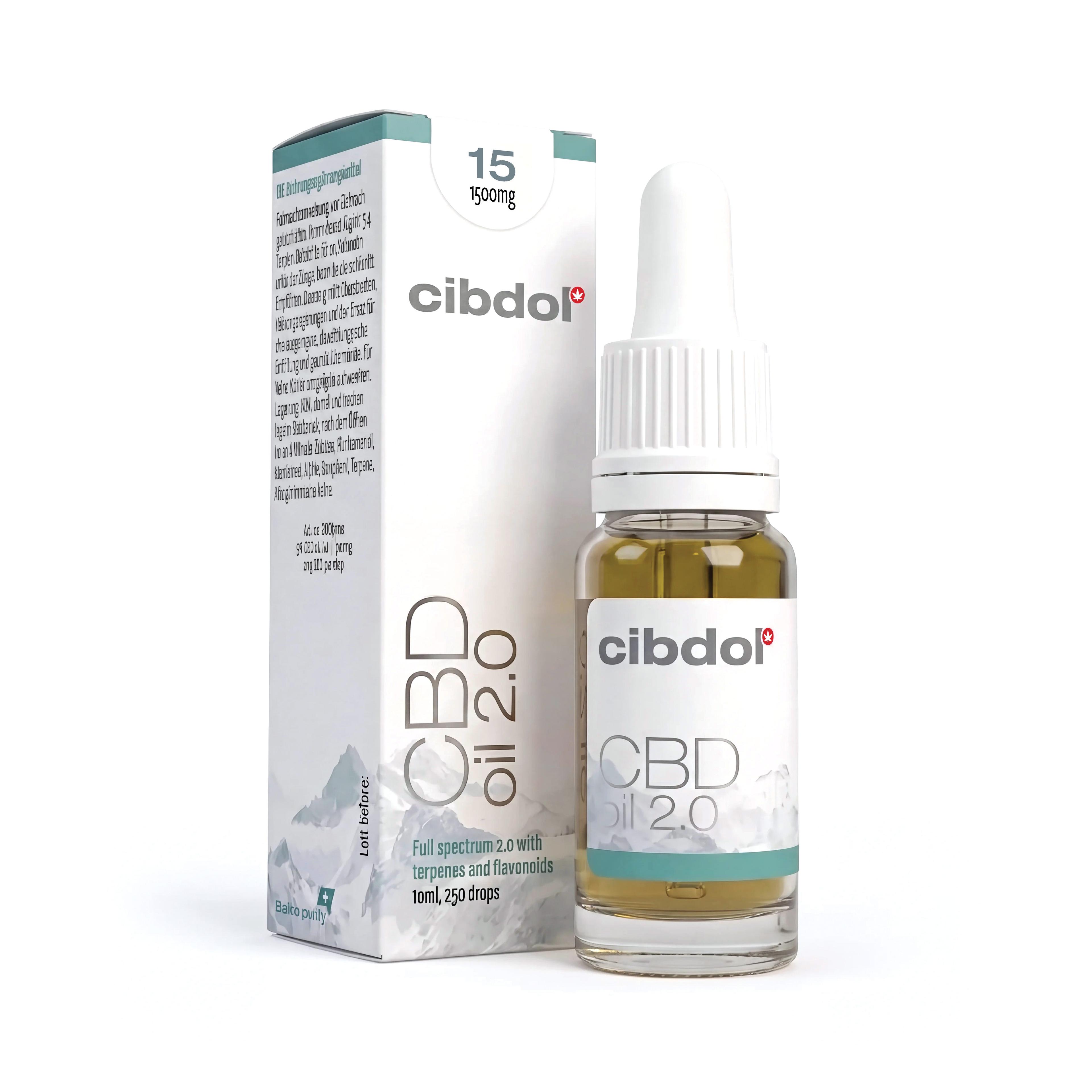
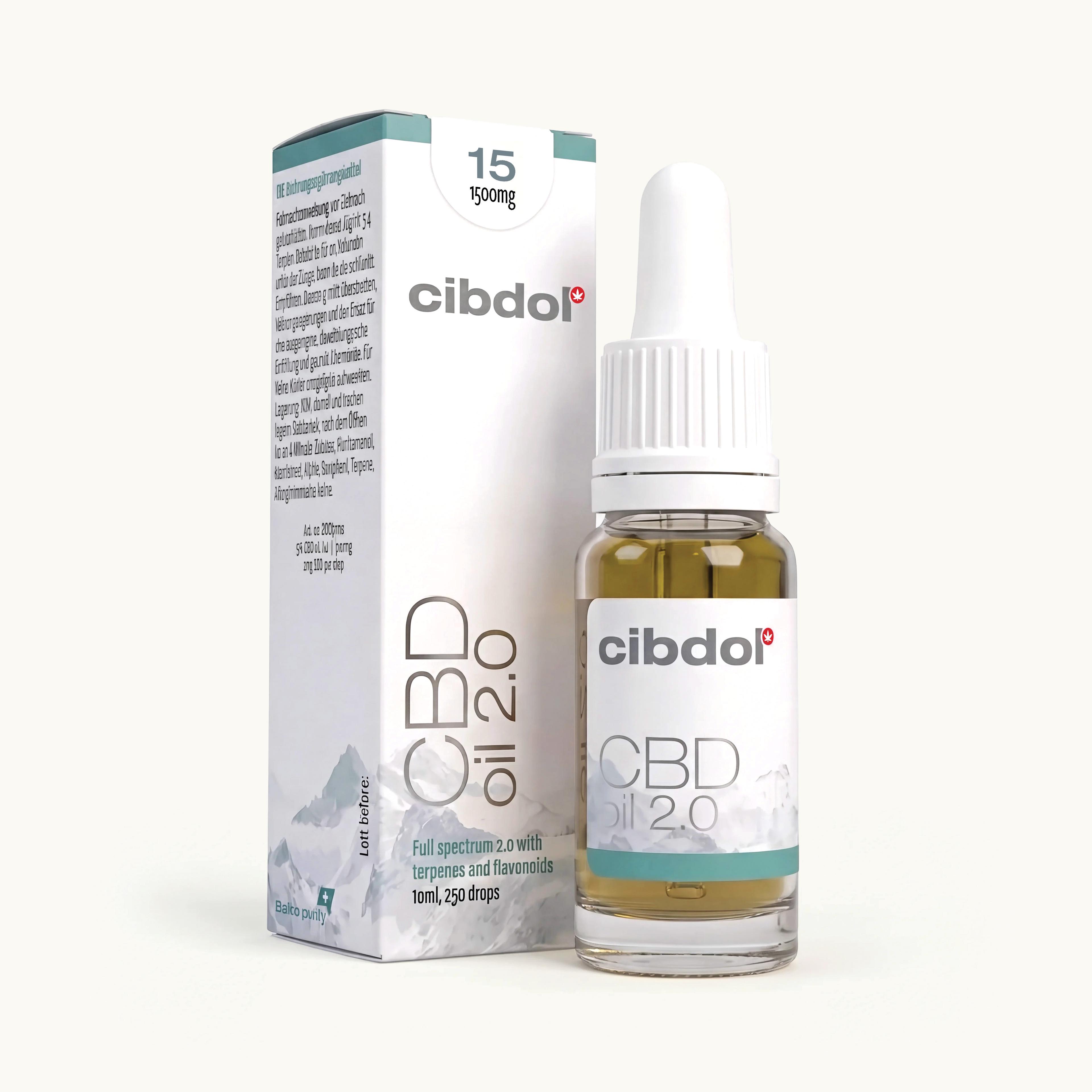
Take a number from our own paperwork. A batch certificate for one of our stronger oils reports 0.03% delta-9-THC. Convert it: 0.03 g per 100 g, so 300 mg/kg.
Against the cultivation figure, 300 next to 3,000, that is one-tenth. It reads comfortable. Against the hemp-seed food limit of 3.0 mg/kg it is 100 times higher. Against the 7.5 mg/kg for hemp seed oil, 40 times higher. Same measured value, three different verdicts, depending entirely on which yardstick you hold it against.
The honest reading is the boring one. Compare a measured content with the limit for the product category in front of you, not with the limit for a field.
Then there is the other phrase certificates use. "Not detected" means delta-9-THC was looked for in that batch and not found above the method's reporting threshold. It is a statement about a method and a batch. It is not proof of compliance with 0.3%, because 0.3% is not the finished-product question.
Six things worth checking on the paperwork:
- Which analyte was measured: delta-9-THC on its own, or a total THC value that folds in the acidic form.
- The unit printed on the report, percent or mg/kg, and the conversion between the two (0.03% = 300 mg/kg).
- The reporting threshold of the method, so a "not detected" line has a real value standing behind it.
- The batch number on the certificate, matched against the batch number on the bottle.
- The category the product belongs to, since food, feed and cosmetic figures sit in separate texts with separate numbers.
- The mass of the product, whenever the applicable limit is written in mg/kg.
Why the field figure stuck
0.3% made a journey no product limit has managed: out of agriculture and into marketing copy. It has two advantages the product limits lack. It looks like one number covering everything, and it is a percentage, so it needs no second quantity to sound meaningful.
The product limits arrive with the opposite profile. They are fragmented by category, they come in mg/kg, and they travel under identifiers such as 2022/1393 or SCCS/1685/25 that few people recognise at a glance. A number that needs a regulation identifier and a product mass before it says anything will always lose ground to a number that fits in four characters.
The two versions of the farming figure add to the mess. 0.2% before 2023, 0.3% after, both still repeated, both offered as rival product limits by people with no particular reason to know the difference.
And then there is paraphrase drift, which you can watch happen in real time. A certificate states that THC was not detectable. Someone summarises that as "below 0.3%". The summary sounds tidier and more official, and in a single step the farming figure has been reinstated as the benchmark for a bottle.
Our house rule since 2014
We have been working with cannabinoids since 2014, and the rule we settled on is deliberately plain. Publish the measured number. Name the yardstick it is being compared against. Leave the applicable comparison to the reader, who knows which category the product belongs to and can convert a percentage into mg/kg in one step. Every product gets its own batch certificate, so the value on the page comes from a specific batch rather than from a range. If a figure looks unfamiliar, the certificate is the place to check it. Claims are easy. Measured values are better.
Frequently Asked Questions
4 questionsWhat does 0.3% actually cover?
What is 0.3% in mg/kg?
Why is there a 0.2% figure as well?
My certificate says not detected. What follows from that?
About this article


Luke Sholl has been writing about cannabinoids, CBD, and the broader benefits of nature since 2011. His background includes first-hand cannabis cultivation experience spanning the full seed-to-harvest lifecycle across so
This wiki article was drafted with AI assistance and reviewed by Luke Sholl, CBD & wellness writer. Editorial oversight by Joshua Askew.
Medical disclaimer. This content is for informational purposes only and does not constitute medical advice. Consult a qualified healthcare provider before use of any substance.
Last reviewed 26 серпня 2026 р.
Related Articles
Does CBG Make You Sleepy? What's Actually on Record
The idea that cannabigerol brings on drowsiness is widely repeated, but the 2021 review by Nachnani and Barrett describes receptor sites rather than sensations in volunteers. The same thing happened to CBN, and Corroon traced it in 2021.

THCA vs THC: A Single Carboxyl Group Apart
One carboxyl group separates the acid form found in the plant from the neutral compound most people talk about. Here is what happens when it goes, and why two lab figures from one plant are not a contradiction.
Broad Spectrum CBD: What The Term Covers
Broad spectrum sits between full spectrum and isolate, and it's the one name on that list with no legal definition behind it. Here's what the term commits to, what research covers, and what our own range holds.

THCP: A Cannabinoid With Two Extra Carbons
Tetrahydrocannabiphorol turned up in an Italian medicinal cannabis variety in December 2019, in work led by Cinzia Citti [1]. Here is what that report actually records, and where our own range sits.
CBD Research: What the Human Data Covers
A calm look at what has actually been measured in cannabidiol studies, where the published record thins out, and what to check before you believe a claim.

Serotonin, 5-HT and the One Cannabinoid Link on Record
5-HT is not one receptor but at least seven families of them, each split into subtypes. Here is what that means for reading claims, and what the 2005 in vitro report on cannabidiol at 5-HT1a does and does not cover [1].
PEA and Anandamide: A Family Resemblance in Chemistry
Palmitoylethanolamide shares a chemical class and a clearance route with anandamide. Here is what that family resemblance settles, and what it deliberately leaves open.
The Endocannabinoid System in Six Papers, 1964 to 1995
The structure of THC was published in 1964, the first cannabinoid receptor in 1990, anandamide in 1992. Six reports, thirty-one years, and a name that runs backwards.

2016: What Clinical Endocannabinoid Deficiency (CECD) Actually Means
CECD is a testable idea about underactive endocannabinoid signalling, set out most clearly in a 2016 paper by Russo [1]. Here is what that paper names, and where the record stops.
