Educational content about cannabinoid science, not medical advice. Consult a healthcare professional before combining CBD products with medication. Our age policy
CBC vs CBD: One Precursor, Two Roles
Definition
CBD is cannabidiol, CBC is cannabichromene, and both sit downstream of the same acid the hemp plant builds first. One of them is abundant enough in mature industrial hemp to fill a bottle on its own. The other appears as a measured line in a broader formulation, which is the real difference between them.
One enzyme, one branching point
Hemp builds its cannabinoids in sequence, not all at once. In 1998, Fellermeier and Zenk described the step that begins it: a hemp transferase attaches a prenyl group to olivetolate, and what comes out is cannabigerolic acid, the precursor of the other cannabinoid acids [1]. Both cannabidiol and cannabichromene sit downstream of that reaction. One enzyme. One intermediate. Then the pathway splits.
Which is why the comparison people type into a search box, CBC vs CBD, reads better as a family tree than a face-off. Constituent surveys of the plant have catalogued more than a hundred cannabinoids, alongside terpenes and flavonoids [2]. CBD and CBC are two lines on that catalogue. Not rivals.
The two names, spelled out
CBD is cannabidiol. CBC is cannabichromene. The letters are shorthand for the full chemical names, and both appear as separate rows on a cannabinoid analysis, each with its own measured figure. That matters more than it sounds, because a bottle is only ever as clear as the report behind it. The 1998 work by Fellermeier and Zenk maps the chemistry upstream of both molecules [1], and the 2005 survey by ElSohly and Slade maps how many compounds the plant carries in total [2]. Neither is a study of what a person feels. What they establish is origin and inventory, which is the ground you need before comparing two cannabinoids at all.
Side by side, on the record
| Point of comparison | CBD (cannabidiol) | CBC (cannabichromene) |
|---|---|---|
| Starting point in the plant | Downstream of cannabigerolic acid, the precursor identified in the 1998 study by Fellermeier and Zenk [1] | Downstream of the same acid, from the same enzyme step described in that 1998 study [1] |
| Place in the plant's inventory | One entry among the more than one hundred cannabinoids recorded in constituent research [2] | Another entry on the same list, published alongside terpenes and flavonoids [2] |
| Amount in mature industrial hemp | The dominant cannabinoid, which is why it became the reference figure for hemp-industry standardisation | Present in far smaller quantities, and the yield is too low for a CBC-only oil |
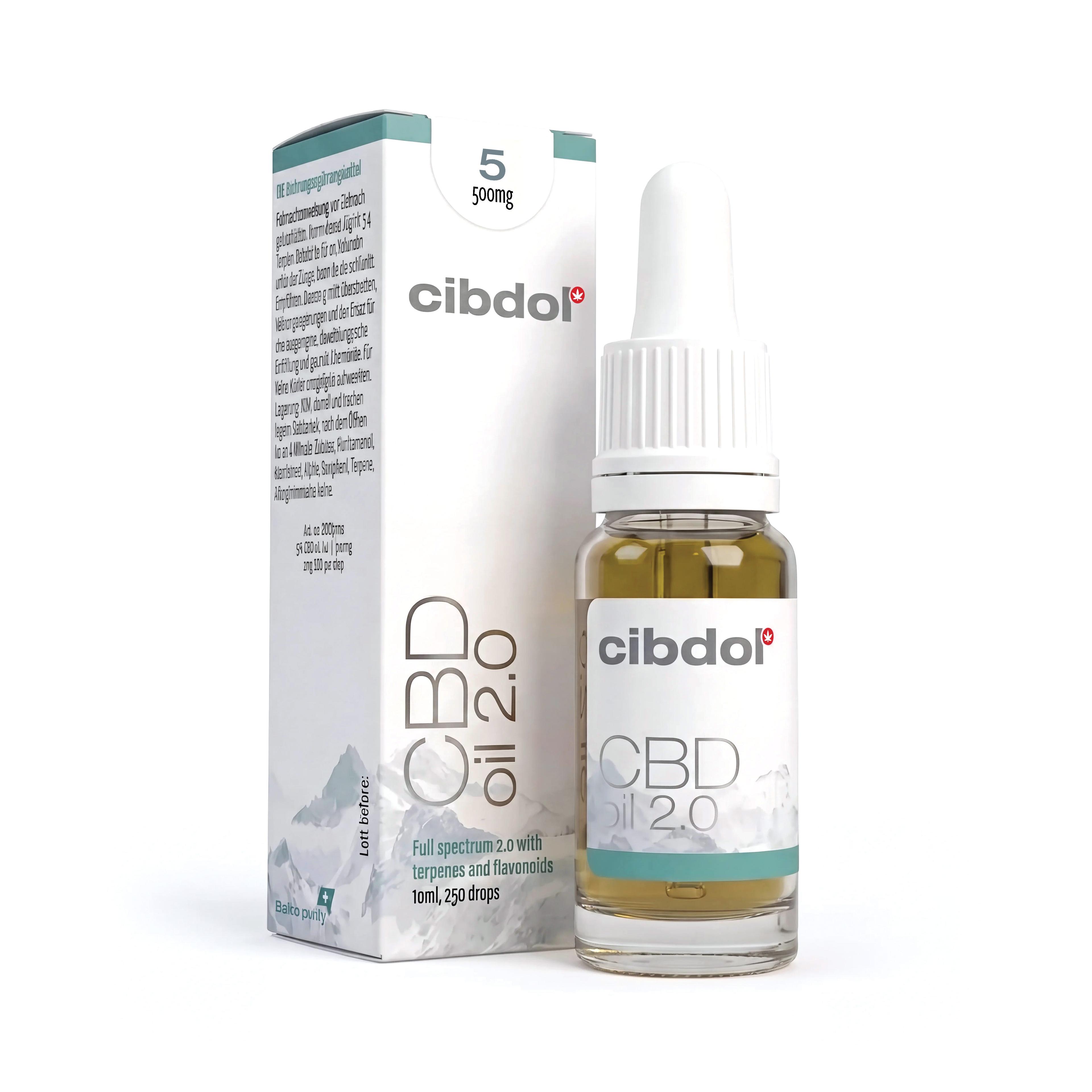
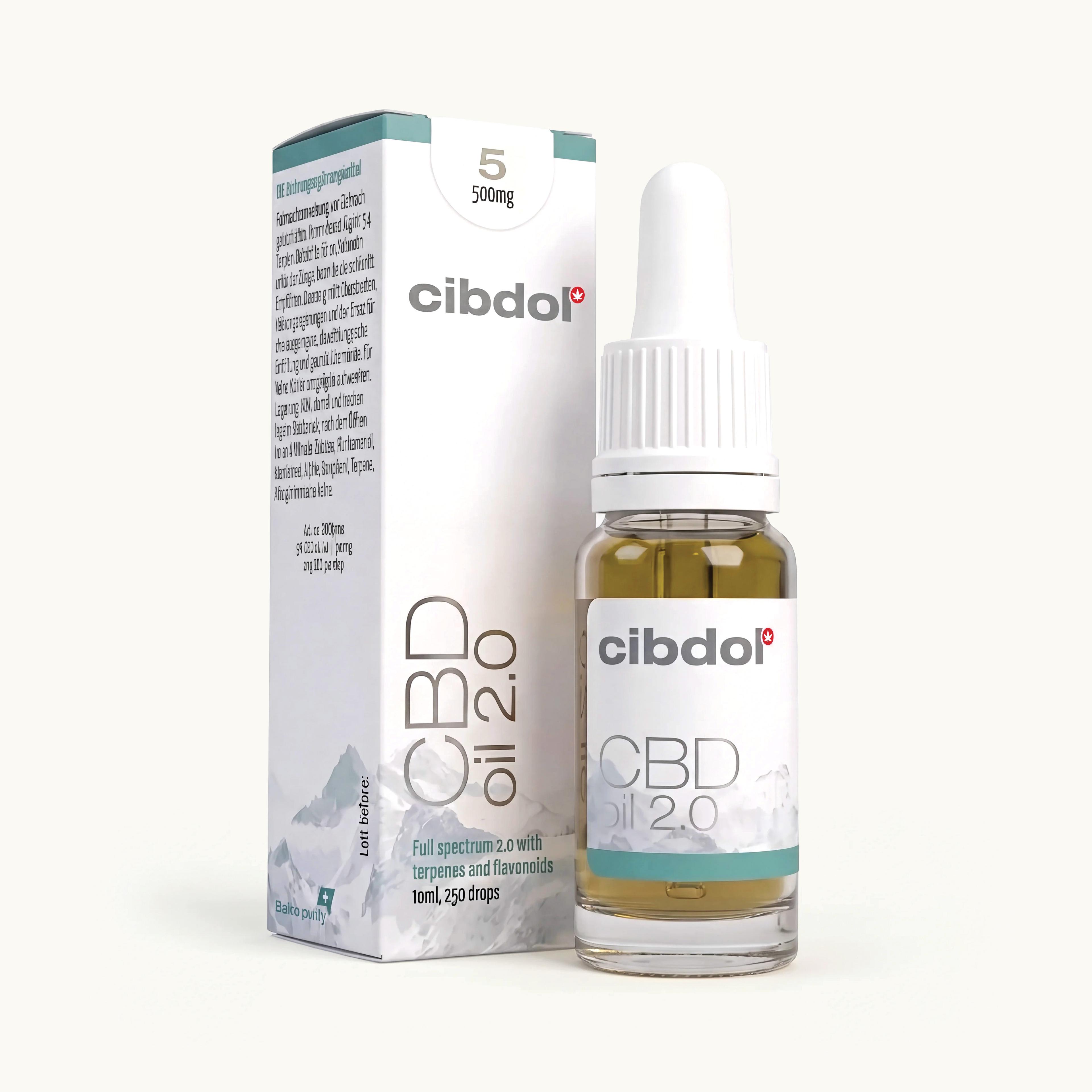
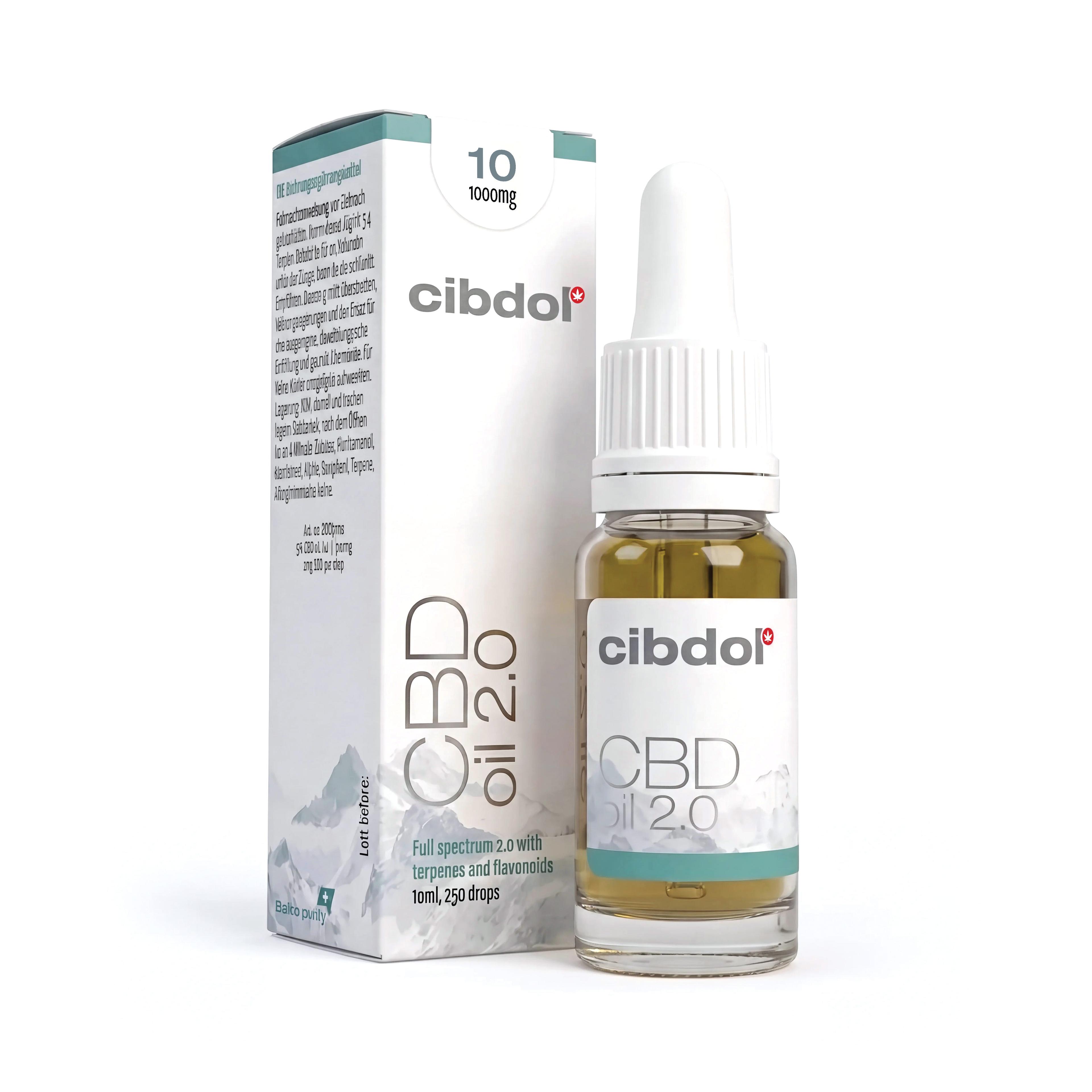
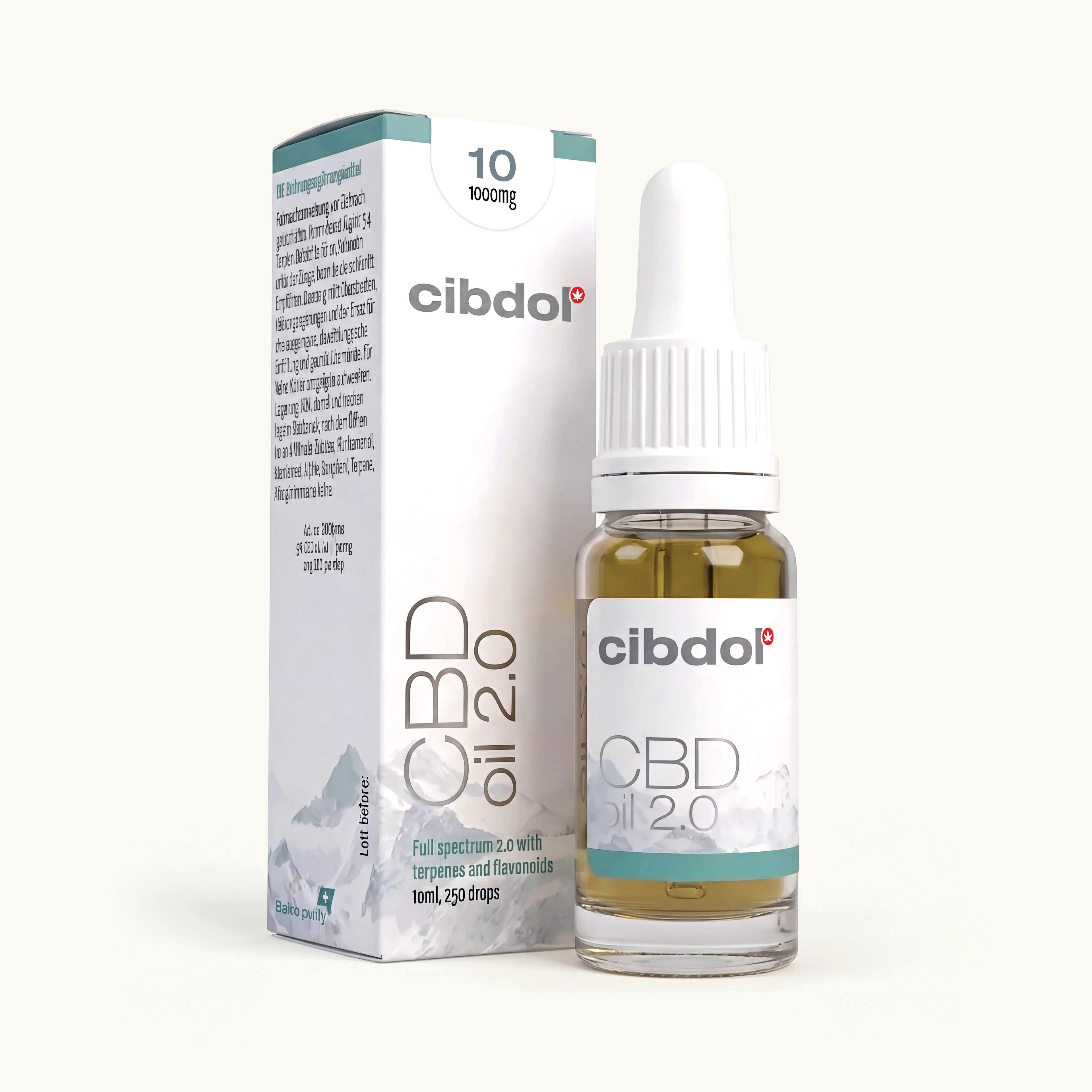
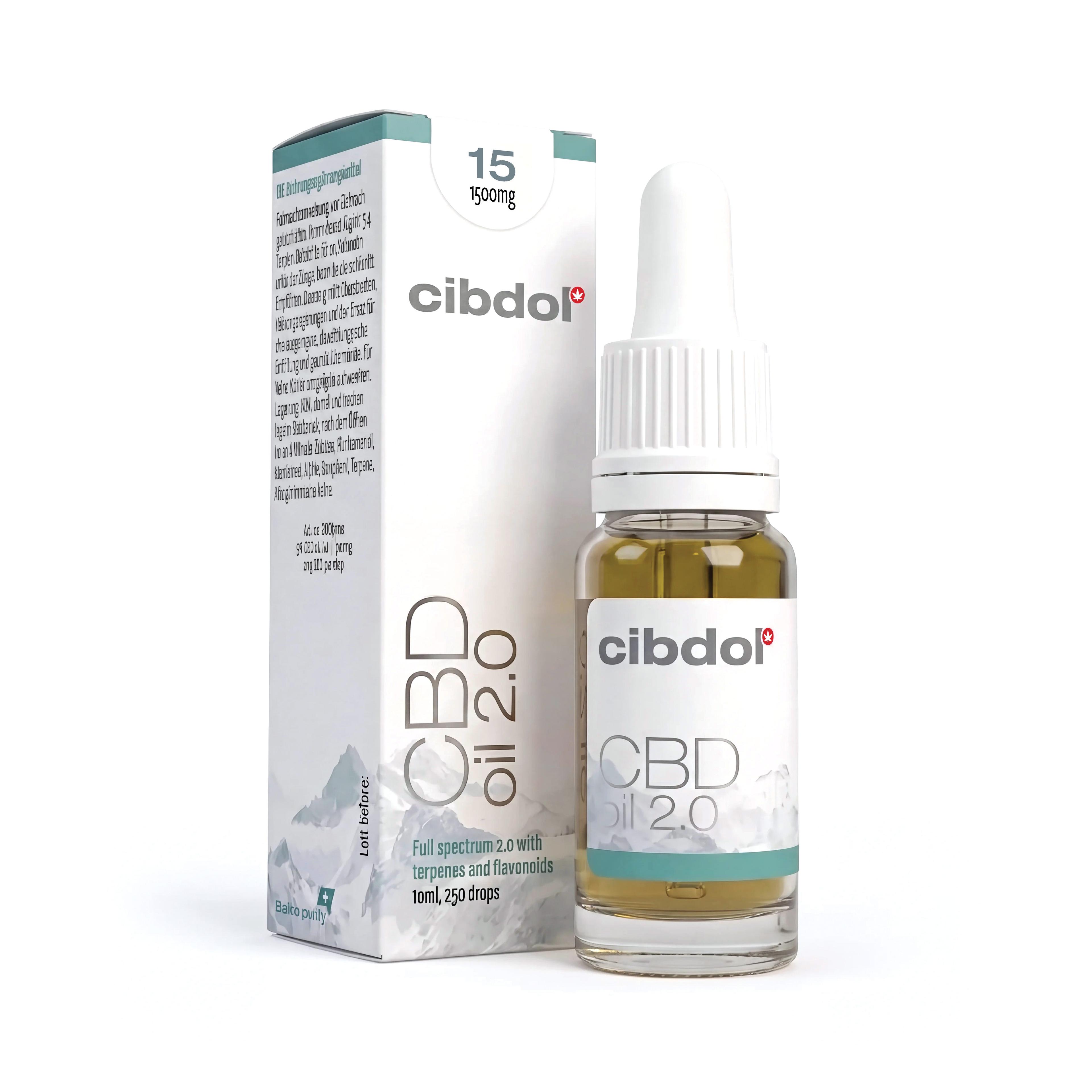
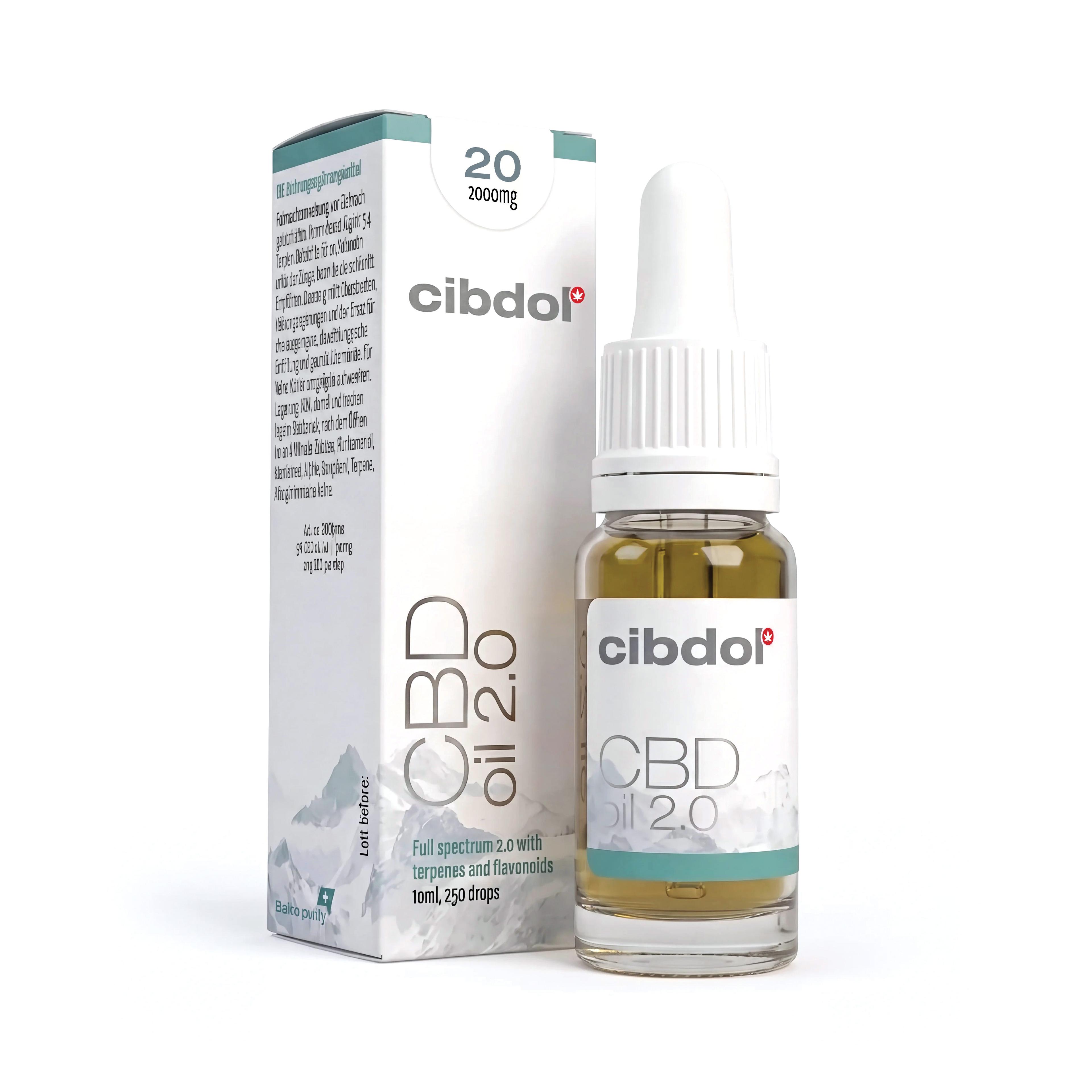
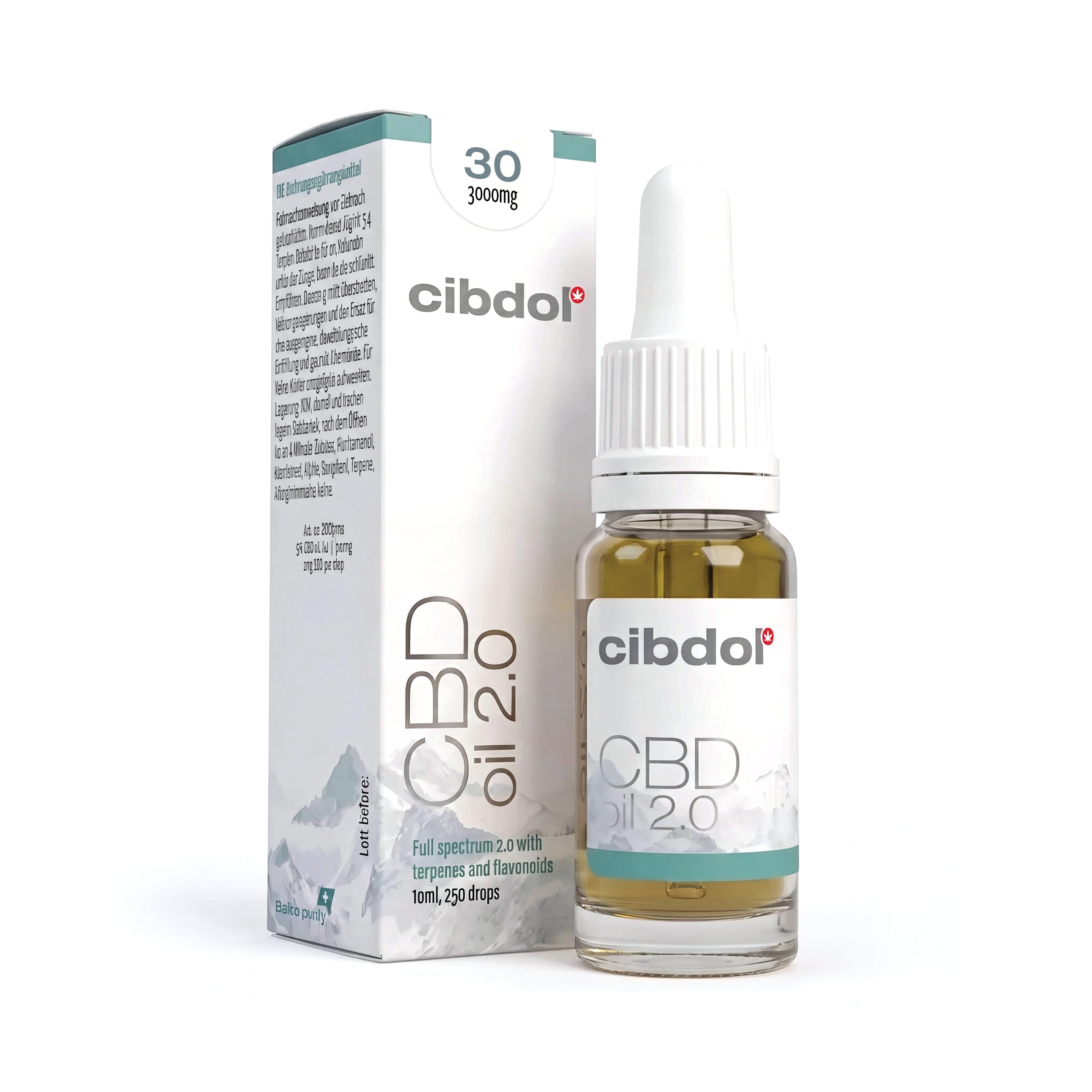
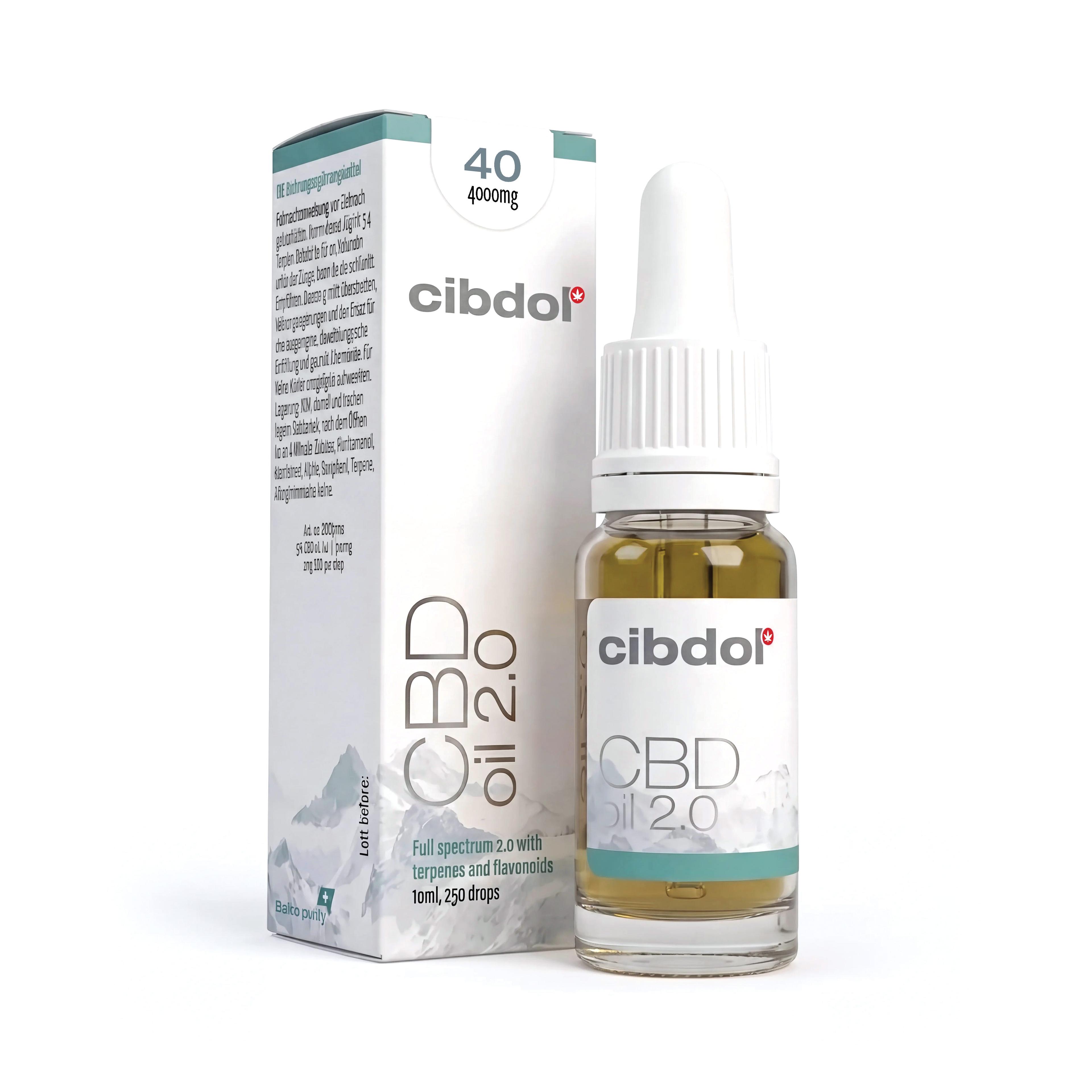
| Sold on its own by Cibdol | Yes, as oils with a declared percentage on the label and a matching batch analysis | No. There is no CBC-only product on the shelf |
| Role in full-spectrum 2.0 | Declared first, with the minor cannabinoids listed underneath it | Standardised next to CBG, CBN and CBDA as a measured formulation, not harvest residue |
| What the cited works cover | Biosynthesis [1] and plant chemistry [2], as laboratory research rather than outcome data | The same two publications, with no separate human study cited here |
| On the batch report | A named row with a measured value | A named row with a measured value |
Why CBD ended up on the label
In mature industrial hemp, cannabidiol is the dominant cannabinoid. That one fact shaped an entire industry. When a category needs a number everyone can compare, it picks the compound there is most of, and standardisation followed from there: a declared percentage, a stated volume, a milligram total you can divide and check.
So a 10% oil is a statement about CBD content, not about the plant as a whole. The plant carries much more than that, as the 2005 survey by ElSohly and Slade set out when it catalogued over a hundred cannabinoids plus terpenes and flavonoids [2]. The label simply leads with the figure that can be produced consistently, batch after batch.
Cibdol has been working with cannabinoids since 2014, and the principle has not moved: know what is inside, and be able to prove it. In practice that means a percentage on the front, a full cannabinoid breakdown in the analysis, and THC held inside legal limits and written down rather than implied. If a number appears on a bottle, there should be a report that returns the same number. Claims are cheap. Reports are not.
The yield problem behind CBC
There is no cannabichromene-only oil in the Cibdol range, and the reason is arithmetic rather than opinion. Extraction concentrates what the plant already produced. It cannot invent a cannabinoid that was only ever present in trace quantities, so a single-compound product needs biomass that carries enough of that compound to isolate, standardise and repeat.
Industrial hemp does not offer that for CBC. The chemistry explains why the amounts differ in the first place: everything sits downstream of cannabigerolic acid, and the plant's enzymes distribute that starting material unevenly between the branches described in the 1998 research by Fellermeier and Zenk [1]. More than a hundred cannabinoids have been catalogued in the plant [2]. Only a handful reach quantities worth building a standalone product around.
We would rather say that plainly than dress a low figure up as a headline. A bottle labelled for a cannabinoid the plant barely provides would be a marketing decision, not a formulation one. If the supply is not there, the honest answer is that the product is not there either. That is the same restraint that keeps a percentage on a Cibdol label tied to a measured value in a lab report.
How CBC shows up in a formulation
Full-spectrum means the extract keeps the wider group of compounds the plant produced, rather than isolating one. In the full-spectrum 2.0 oils, cannabichromene is not left to chance. It is standardised alongside CBG, CBN and CBDA, which means the quantity is set on purpose and then verified, instead of being whatever survived the harvest.
The distinction is worth holding on to when you compare two bottles:
- A minor cannabinoid can appear because it was formulated to a target, or because it happened to be in the biomass that season.
- Standardised means the figure is repeatable between batches, so the second bottle matches the first.
- CBC, CBG, CBN and CBDA each get their own row in the analysis, with their own measured value.
- A full-spectrum oil declares CBD first, because that is still the dominant cannabinoid in industrial hemp.
- The 2005 catalogue by ElSohly and Slade lists over a hundred cannabinoids [2], and no oil declares all of them, so read what is actually named.
What a batch report settles
Before you weigh CBC against CBD, look at the paperwork. A cannabinoid analysis tells you which compounds were measured, at what level, and in which batch. That answers the question the search term cannot: whether the CBC in a given bottle is a declared quantity or a footnote. It also tells you the THC figure, in numbers rather than reassurance.
What the report does not do is describe how anyone responded to it. The two publications cited on this page cover biosynthesis [1] and plant chemistry [2]. Origin and inventory, nothing more.
Since 2014, one standard
Cibdol has formulated and tested cannabinoids since 2014, from the years when CBD still needed explaining to the current full-spectrum 2.0 work with CBG, CBN, CBDA and CBC. Swiss Quality. No Compromise. The range grows, the standard holds: name every compound in the bottle, measure it, and publish the figure so you can check it yourself before it becomes part of your routine.
Frequently Asked Questions
4 questionsWhat does the 1998 research say about where both cannabinoids come from?
Why is there no cannabichromene-only oil at Cibdol?
How is CBC declared in the full-spectrum 2.0 oils?
How many cannabinoids has hemp been shown to contain?
About this article


Luke Sholl has been writing about cannabinoids, CBD, and the broader benefits of nature since 2011. His background includes first-hand cannabis cultivation experience spanning the full seed-to-harvest lifecycle across so
This wiki article was drafted with AI assistance and reviewed by Luke Sholl, CBD & wellness writer. Editorial oversight by Joshua Askew.
Medical disclaimer. This content is for informational purposes only and does not constitute medical advice. Consult a qualified healthcare provider before use of any substance.
Last reviewed 26 серпня 2026 р.
References (2)
- [1]Fellermeier, M. and Zenk, M.H. (1998). Prenylation of olivetolate by a hemp transferase yields cannabigerolic acid, the precursor of tetrahydrocannabinol. DOI: https://doi.org/10.1016/s0014-5793(98)00450-5
- [2]ElSohly, M.A. and Slade, D. (2005). Chemical constituents of marijuana: the complex mixture of natural cannabinoids. DOI: https://doi.org/10.1016/j.lfs.2005.09.011
Related Articles
Does CBG Make You Sleepy? What's Actually on Record
The idea that cannabigerol brings on drowsiness is widely repeated, but the 2021 review by Nachnani and Barrett describes receptor sites rather than sensations in volunteers. The same thing happened to CBN, and Corroon traced it in 2021.
THCA vs THC: A Single Carboxyl Group Apart
One carboxyl group separates the acid form found in the plant from the neutral compound most people talk about. Here is what happens when it goes, and why two lab figures from one plant are not a contradiction.
Broad Spectrum CBD: What The Term Covers
Broad spectrum sits between full spectrum and isolate, and it's the one name on that list with no legal definition behind it. Here's what the term commits to, what research covers, and what our own range holds.
THCP: A Cannabinoid With Two Extra Carbons
Tetrahydrocannabiphorol turned up in an Italian medicinal cannabis variety in December 2019, in work led by Cinzia Citti [1]. Here is what that report actually records, and where our own range sits.
CBD Research: What the Human Data Covers
A calm look at what has actually been measured in cannabidiol studies, where the published record thins out, and what to check before you believe a claim.
Serotonin, 5-HT and the One Cannabinoid Link on Record
5-HT is not one receptor but at least seven families of them, each split into subtypes. Here is what that means for reading claims, and what the 2005 in vitro report on cannabidiol at 5-HT1a does and does not cover [1].
PEA and Anandamide: A Family Resemblance in Chemistry
Palmitoylethanolamide shares a chemical class and a clearance route with anandamide. Here is what that family resemblance settles, and what it deliberately leaves open.
The Endocannabinoid System in Six Papers, 1964 to 1995
The structure of THC was published in 1964, the first cannabinoid receptor in 1990, anandamide in 1992. Six reports, thirty-one years, and a name that runs backwards.
2016: What Clinical Endocannabinoid Deficiency (CECD) Actually Means
CECD is a testable idea about underactive endocannabinoid signalling, set out most clearly in a 2016 paper by Russo [1]. Here is what that paper names, and where the record stops.
