CBD And The Word Overdose: What The Data Covers
Definition
In pharmacology, "overdose" describes an amount given, measured against an amount that has already been studied and written down. Applied to cannabidiol, those reference points are few and very specific: a phase I trial in healthy volunteers, a review of reported side effects, and a laboratory map of the enzymes involved in its metabolism. Below is what each of those sources measured, and where each one stops.
Where the word belongs
Overdose. Where does that word come from, and what is it actually pointing at?
It comes from pharmacology, and there it has a narrow job. It compares an amount given with an amount that has been studied and documented. It isn't a description of how somebody feels, and it isn't a verdict on a bottle. It's arithmetic between a quantity and a reference.
For cannabidiol, that reference is thin and oddly specific. Three published pieces of work do most of the carrying. A 2018 phase I trial by Taylor and colleagues gave highly purified cannabidiol to healthy volunteers [1]. A 2017 review by Iffland and Grotenhermen gathered the side effects reported across the studies that existed at the time [2]. A 2011 laboratory study by Jiang and colleagues identified which cytochrome P450 enzymes, a family of liver enzymes that break down many substances, handle cannabidiol in human liver microsomes [3].
Read all three and something becomes clear. Each answers a small question well. None of them answers the question people type into a search box.
- A dose in a trial is a measured quantity, given under set conditions, and those conditions carry as much weight as the numbers themselves [1].
- A drop count at a kitchen table is neither a measured quantity nor a set condition, so nothing transfers across [1].
- A list of reported side effects is a record of what was observed at the amounts studied, not a ceiling built into the molecule [2].
- Interaction with other medicines is the theme that keeps returning through the 2017 review [2].
- The maximum daily amount printed on labels across the EU market is there for regulatory reasons, not stylistic ones.
Inside the 2018 trial
- Phase I is the first stage at which a compound is given to people. The question is safety and tolerability, not whether the compound does anything useful.
- The substance in Taylor's 2018 work was highly purified cannabidiol [1]. Not an oil. Not a shelf formula with a broader cannabinoid profile.
- The participants were healthy volunteers [1]. They were screened in, which is another way of saying other groups were screened out.
- Those excluded groups are one of the places the 2017 review marks as thin on data [2].
- Everything around the dose was held steady: timing, supervision, measurement, and what happened before and after each administration.
- That's the part worth carrying away. The conditions weigh as much as the numbers [1].
- So the distance between a supervised trial and a dropper at home isn't a small gap to bridge. There is no transfer at all.
- What ends up in the literature is a set of observations at the amounts that were actually studied. Not an upper limit [2].
- And an effect nobody was looking for doesn't appear in a list of reported effects. That's how lists work, in any field.
- Two implications follow, and both are flat: the record describes what was seen, and the record is incomplete.
- A large quantity of cannabidiol taken outside those conditions stays only indirectly related to the published trial numbers, however carefully those numbers were produced.
Sources, scope, and gaps
| Work | What was studied | On the record | Left open |
|---|---|---|---|
| Taylor and colleagues, 2018 [1] | Highly purified cannabidiol given to healthy volunteers in a phase I trial | Safety and tolerability data produced under fixed, supervised conditions | Any read-across to an oil measured at home, because the conditions are part of the result |
| Iffland and Grotenhermen, 2017 [2] | Side effects reported across the studies available at the time of writing | Interaction with other medicines recurs as a theme rather than a footnote | Long-term use, sustained high amounts, and the populations trials exclude |
| Jiang and colleagues, 2011 [3] | Metabolism of cannabidiol by human liver microsomes in the laboratory | The cytochrome P450 enzymes responsible were identified by name | What any particular amount does in a living person, which the method was never built to show |
| Maximum daily amount on EU labels | Not a study at all, but a figure the label is required to state | A regulatory number, printed on regulatory grounds | Read it as a rule attached to the product, and check the batch analysis alongside it |
The label, the list, the phone call
- Start with the label. The maximum daily amount stated there is a regulatory figure, and it applies whatever the format of the product.
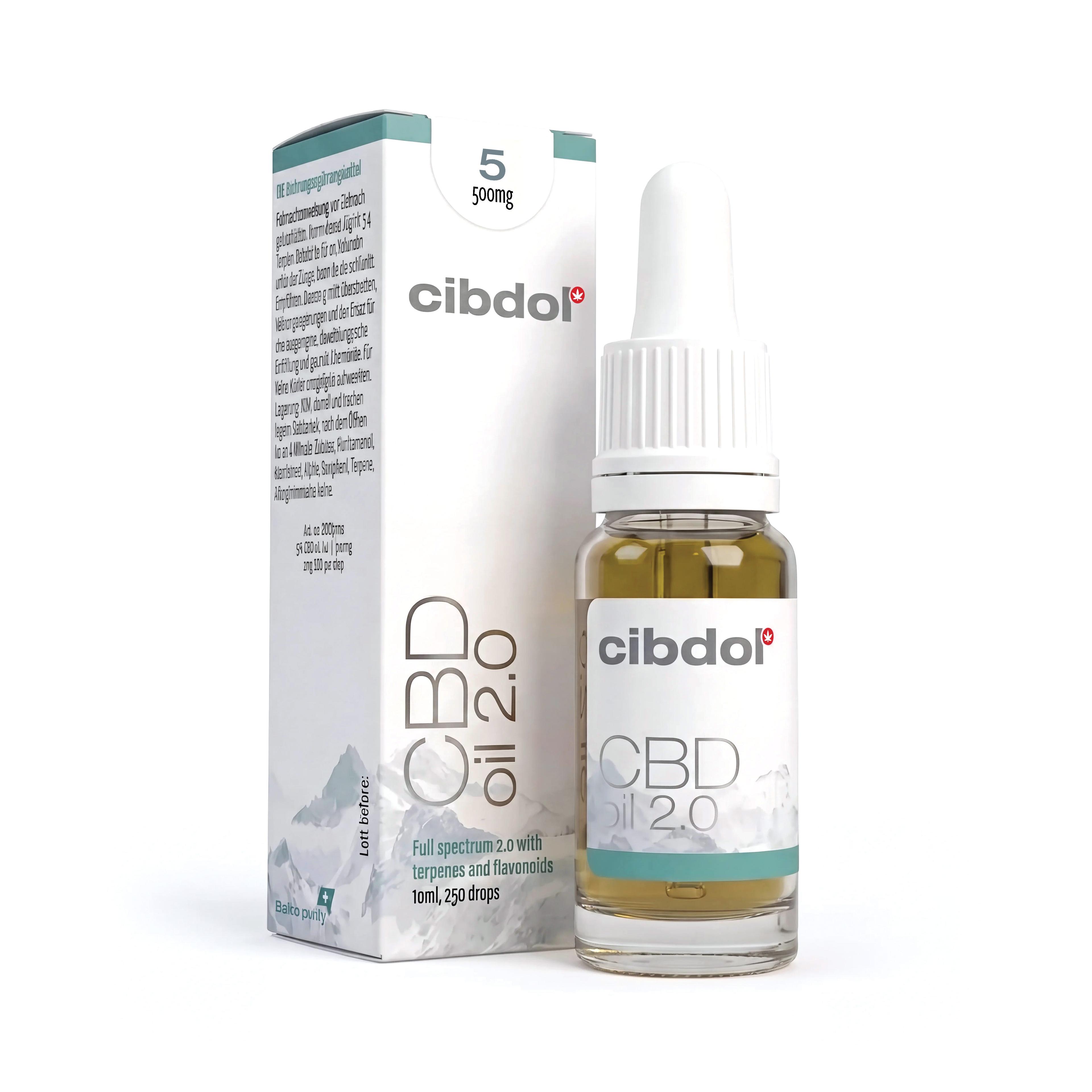
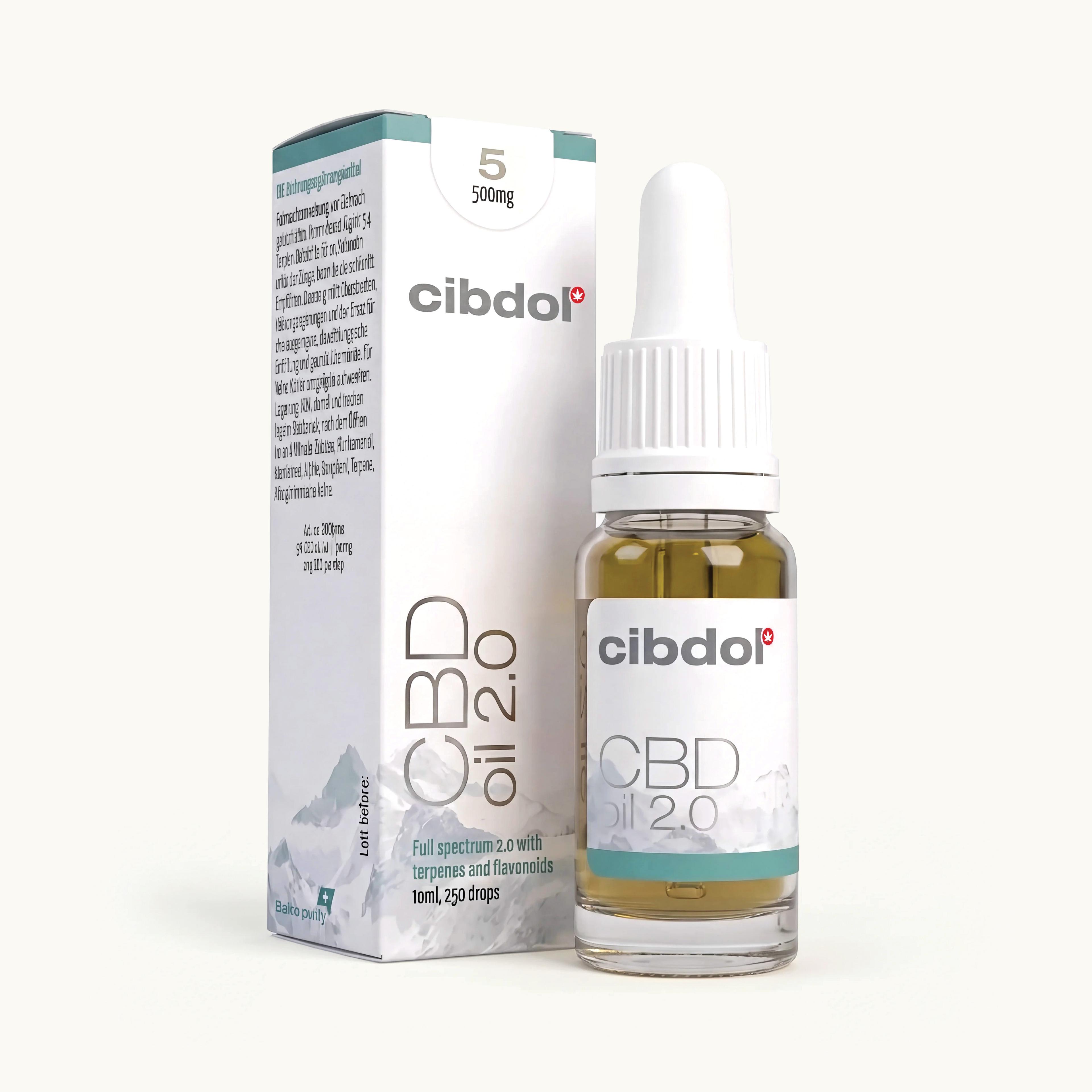
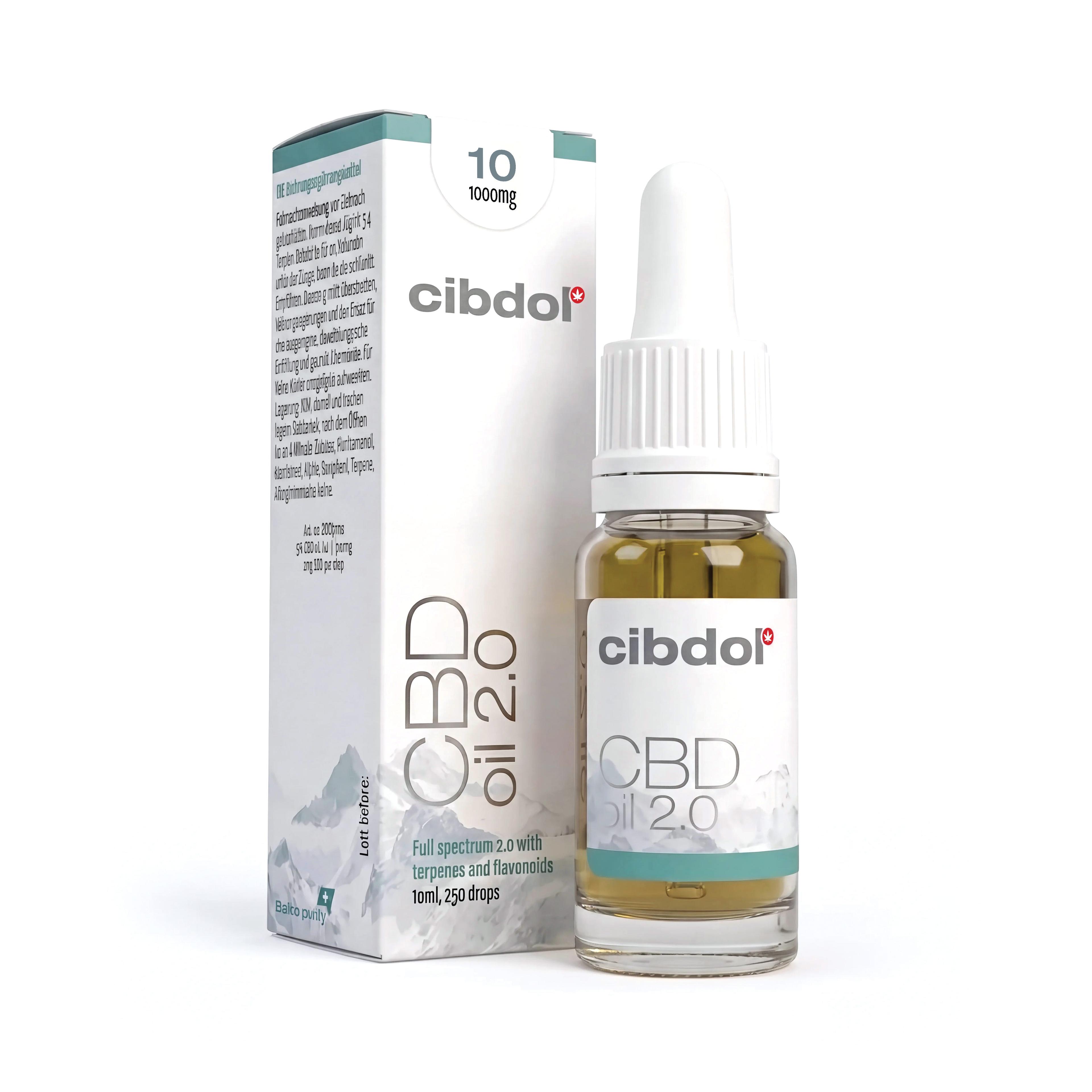
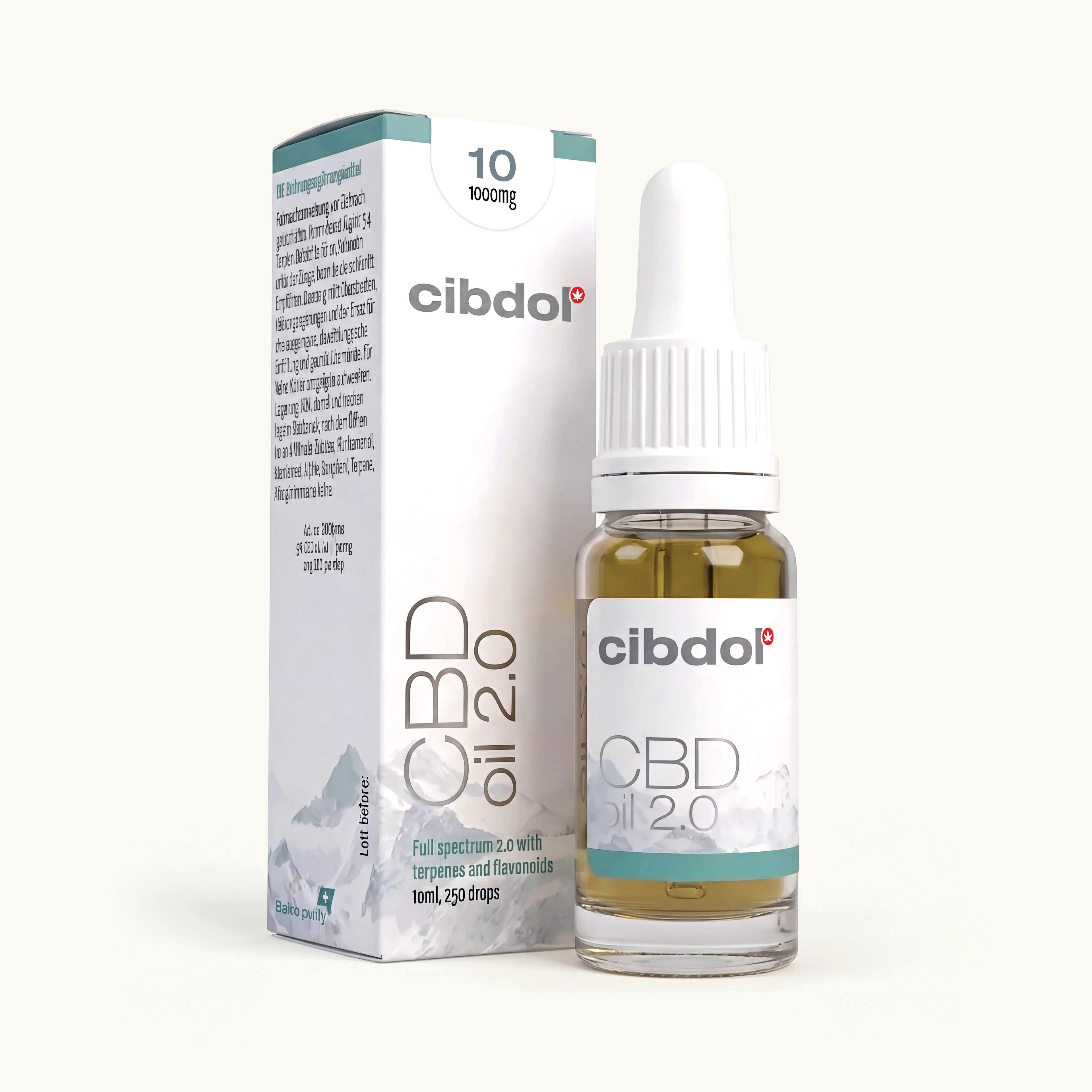
- Read it next to the concentration and the bottle size, so the milligrams on the carton and the milligrams in your serving stay part of the same conversation.
- Keep the batch analysis nearby. Cibdol has published independent batch reports since 2014, and a report describes the bottle you actually own.
- Write down every prescription medicine you take. All of them, including the ones that feel too routine to mention.
- That list matters because cannabidiol is metabolised by cytochrome P450 enzymes [3], and the same enzyme family is the clearance route for many prescription medicines.
- Which is exactly why interaction with other medicines runs through the 2017 review as a recurring theme [2].
- Take the list to a doctor or a pharmacist. They can read your prescriptions against each other. A web page cannot.
- If you are pregnant, breastfeeding, or living with a diagnosed condition, that conversation comes first. These are among the groups published trials tend to exclude [2].
- If you feel unwell after taking anything, contact a doctor or your local emergency number. Bring the bottle, or a photo of the label.
- General guidance stays general: start low, go slow, and change one thing at a time so you can tell what changed.
- And an honest limit. How much is too much for one person on one day is not a question the cited work answers.
Settled, thin, or absent
| Question | What the cited work holds | Status |
|---|---|---|
| Side effects at studied amounts | Observations collected in the 2017 review [2] | Documented, as a record and not as a ceiling |
| Long-term use | Named as thin in that same review [2] | Thin |
| Sustained high amounts | Named as thin in that same review [2] | Thin |
| Groups excluded from trials | Flagged in the same review as a data gap [2] | Thin |
| Interaction with other medicines | Recurring through the review [2]; enzyme route identified in 2011 [3] | Documented as a route, not as an amount |
| Which enzymes metabolise cannabidiol | Identified in human liver microsomes by Jiang and colleagues [3] | Named |
| Tolerability in healthy volunteers | Measured in the 2018 phase I trial with highly purified cannabidiol [1] | Measured, with the conditions attached to the numbers |
| A large amount taken at home | Indirectly related to the trial data at best [1] | Open |
| An effect nobody looked for | Absent from any list of reported effects [2] | Absent, which is not the same as ruled out |
Frequently Asked Questions
4 questionsIs "overdose" even the right word to use about CBD?
What exactly did the 2018 trial cover?
What is that maximum daily amount printed on the bottle?
I take prescription medication. What should I check first?
About this article


Luke Sholl has been writing about cannabinoids, CBD, and the broader benefits of nature since 2011. His background includes first-hand cannabis cultivation experience spanning the full seed-to-harvest lifecycle across so
This wiki article was drafted with AI assistance and reviewed by Luke Sholl, CBD & wellness writer. Editorial oversight by Joshua Askew.
Medical disclaimer. This content is for informational purposes only and does not constitute medical advice. Consult a qualified healthcare provider before use of any substance.
Last reviewed 27 серпня 2026 р.
References (3)
- [1]Taylor, L. et al. (2018). A Phase I, Randomized, Double-Blind, Placebo-Controlled, Single Ascending Dose, Multiple Dose, and Food Effect Trial of the Safety, Tolerability and Pharmacokinetics of Highly Purified Cannabidiol in Healthy Subjects. DOI: https://doi.org/10.1007/s40263-018-0578-5
- [2]Iffland, K. and Grotenhermen, F. (2017). Cannabis and Cannabinoid Research. DOI: https://doi.org/10.1089/can.2016.0034
- [3]Jiang, R. et al. (2011). Identification of cytochrome P450 enzymes responsible for metabolism of cannabidiol by human liver microsomes. DOI: https://doi.org/10.1016/j.lfs.2011.05.018
Related Articles

Can You Be Allergic to CBD? Two Papers, One Protein
Two published papers characterise a cannabis plant protein called Can s 3 as an allergen. Here is what they cover, what they leave open, and where the carrier oil and softgel shell fit in.
CBD and Ibuprofen: One Shared Liver Enzyme
Ibuprofen depends on a single liver enzyme, and cannabidiol has been described as an inhibitor of it. Here is what the 2011 and 2019 research documented, and where the record simply stops.
CBD That Mixes Into Water: The Actual Chemistry
The phrase exists because of one physical fact: cannabidiol and water do not mix on their own. Here is what emulsions and liposomes actually are, and where the published human measurements stop.
CBD Oil or Gummies: Where the Amount Gets Decided
The pipette leaves the counting to you; the gummy carton arrives with the number already on it. Here is what the published human data covers, and where it stops.
One Gummy, 25 mg, and What the Studies Measured
25 mg per gummy, ten in a pack, THC-free printed on the box. What happens after chewing is the part human trials are still measuring [1].
Travelling With CBD: Check Three Countries First
A country-by-country permission list for CBD is wrong by design. Here is the checking order instead: three countries per ticket, the airline's own conditions, and a clear rule for unresolved cases.

What Is A CBD Tincture? The Word And The Bottle
Tincture once described a method: extraction with alcohol. Here is how the word travelled to CBD dropper bottles, and what the ingredient list settles that the front label does not.
Combining CBD Products: Counting The Day's Milligrams
An oil in the morning and a capsule at night belong to the same daily figure, counted in milligrams. Here is how that arithmetic works, what the human pharmacokinetic literature covers, and why a topical sits in a column of its own.

Ways To Take CBD, Route By Route
A pipette bottle, a capsule and a chewable piece are not three sizes of the same thing. They sit on different routes, and published human reviews keep those routes in separate columns.
