CBD That Mixes Into Water: The Actual Chemistry
Definition
Cannabidiol is a fat-loving molecule, which means plain water has nothing to hold onto it with. "Water soluble CBD" is the shorthand the market settled on for liquids built so the cannabinoid stays spread through a water base, usually as an emulsion or inside a liposome. The molecule itself does not change; what changes is everything packed around it.
A glass of water, seven observations
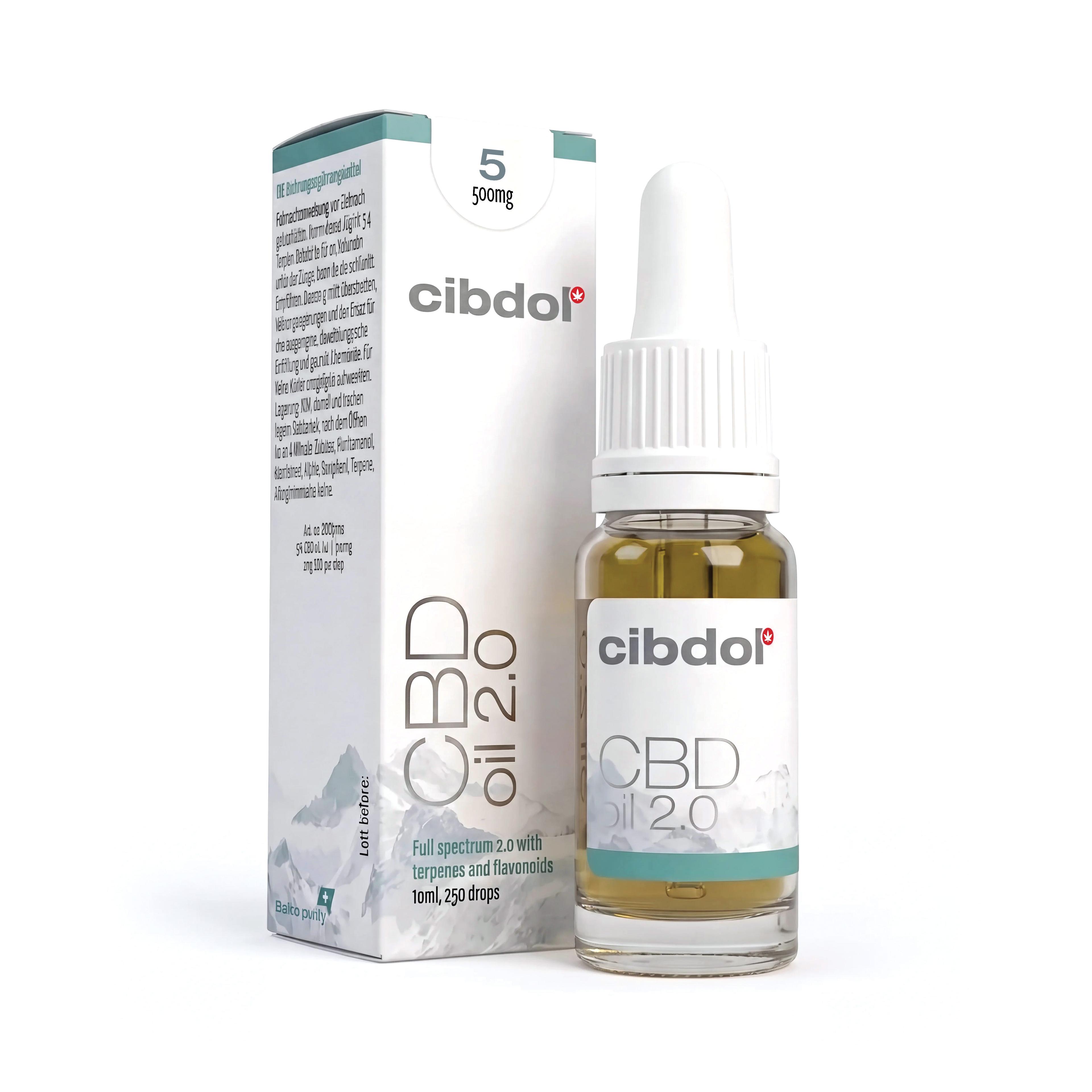
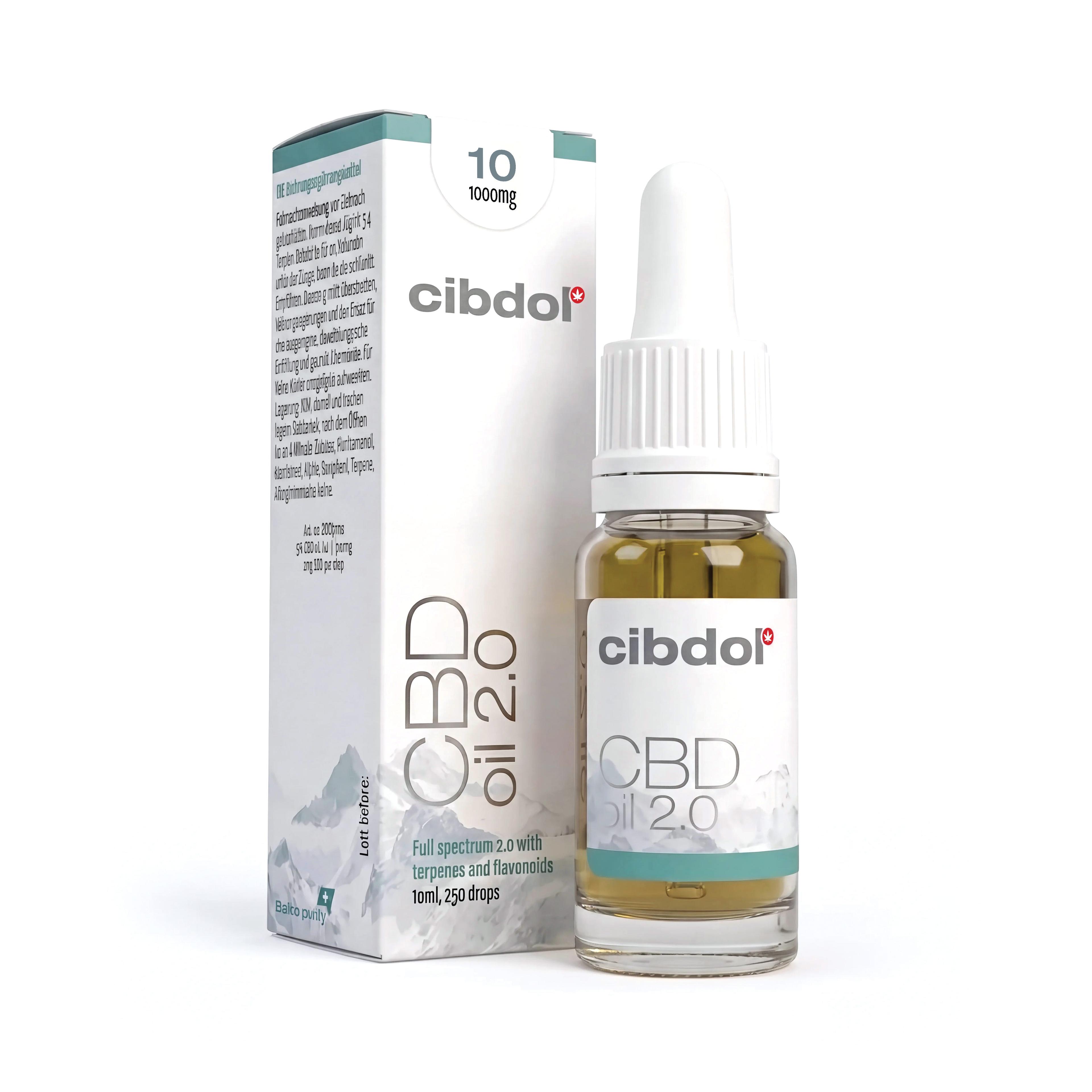
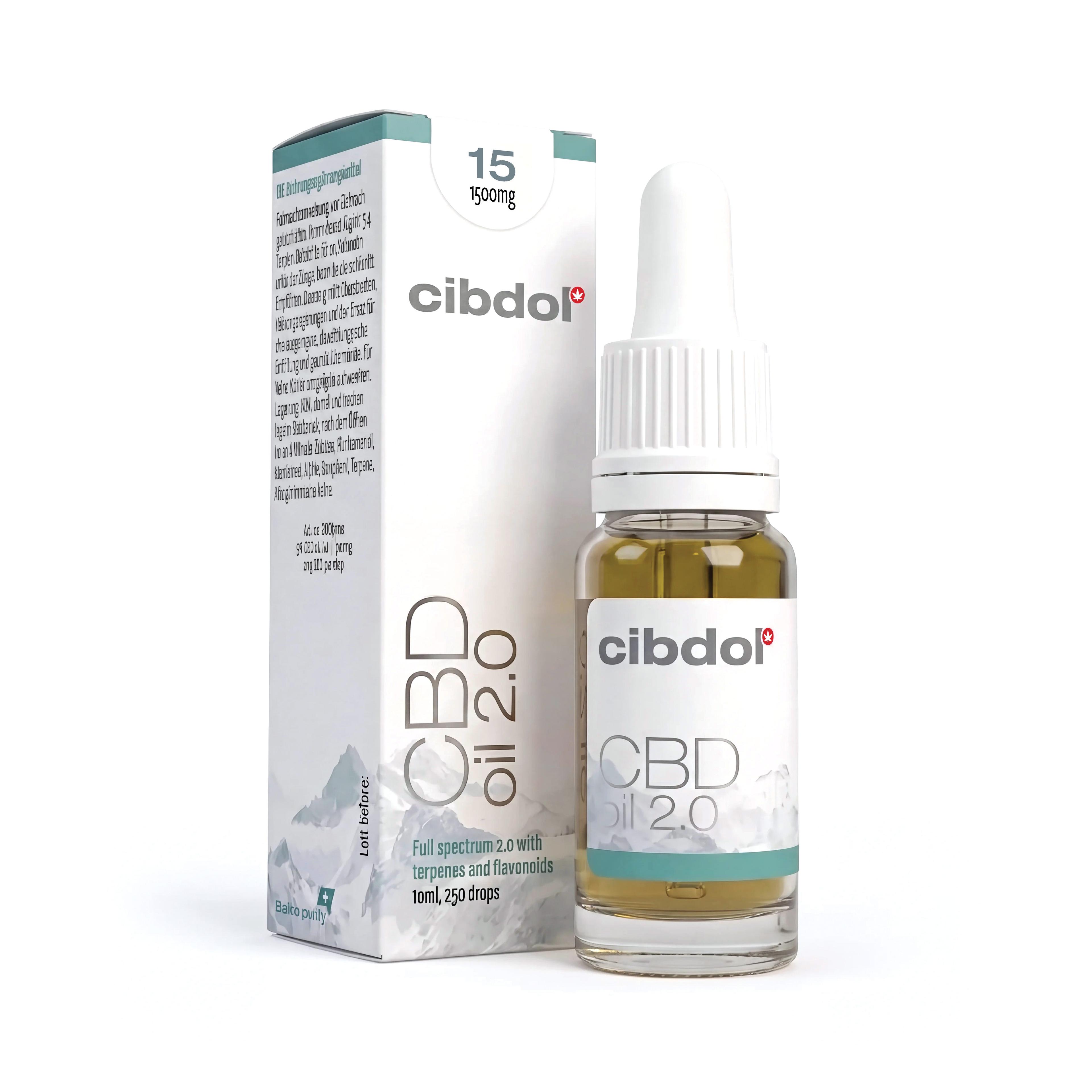
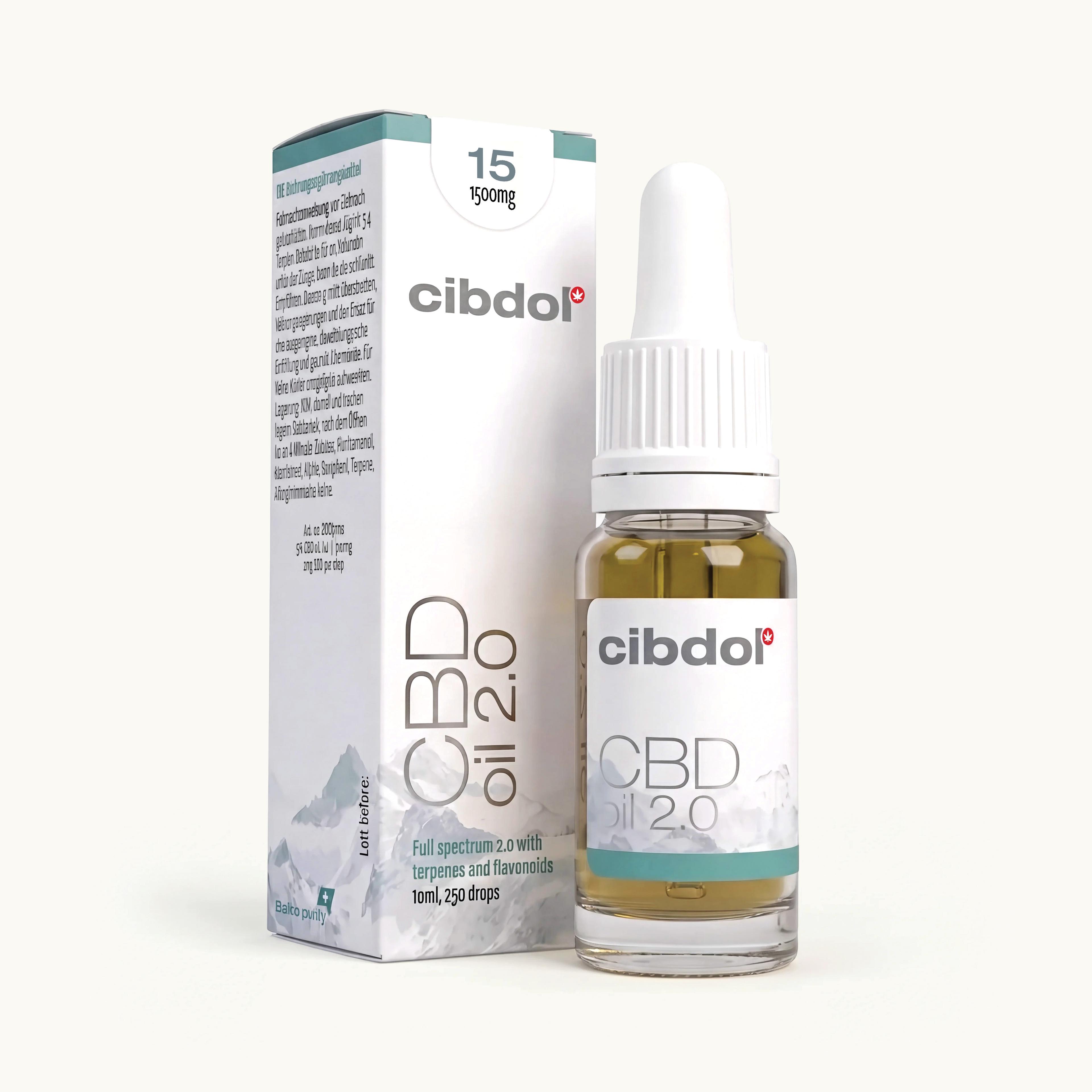
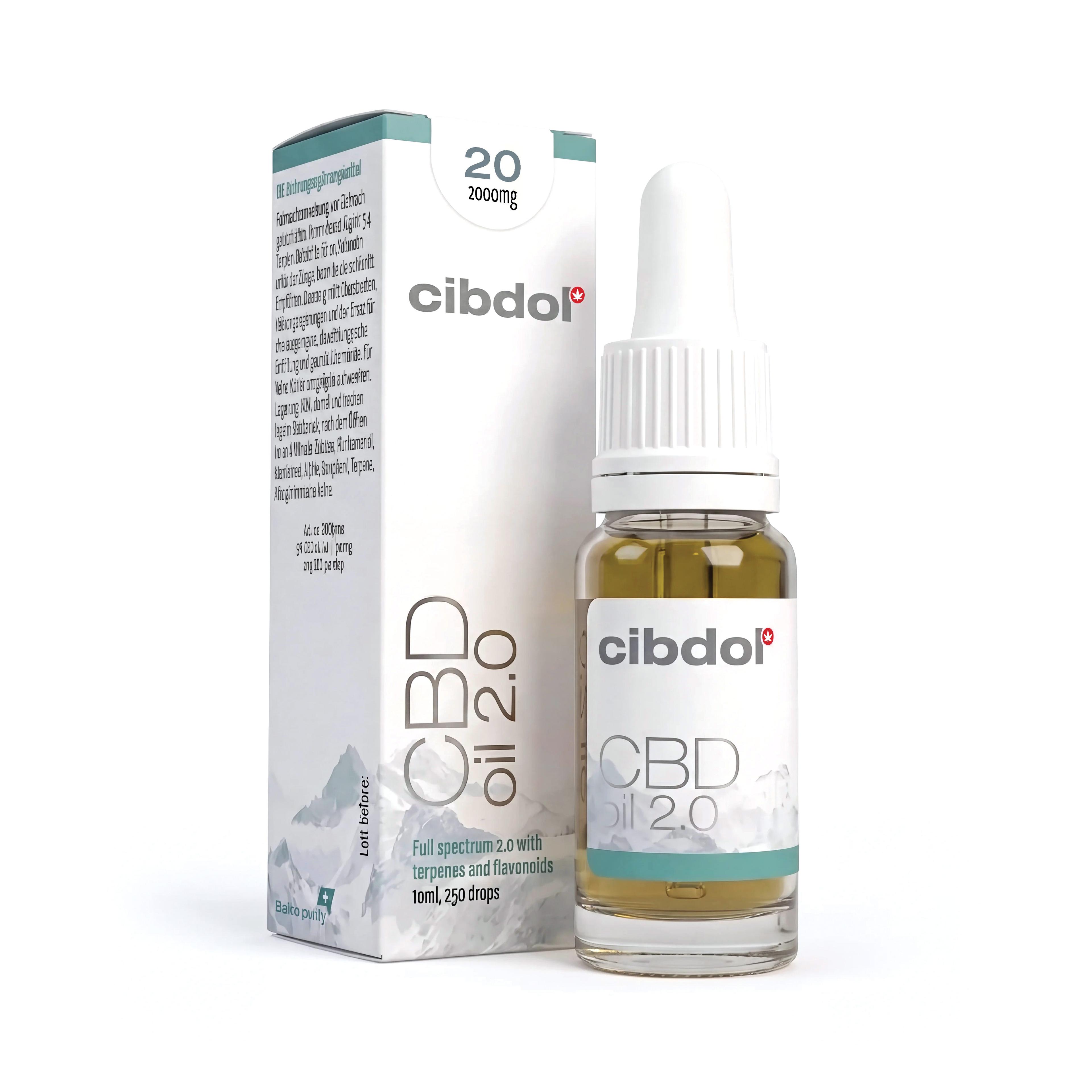
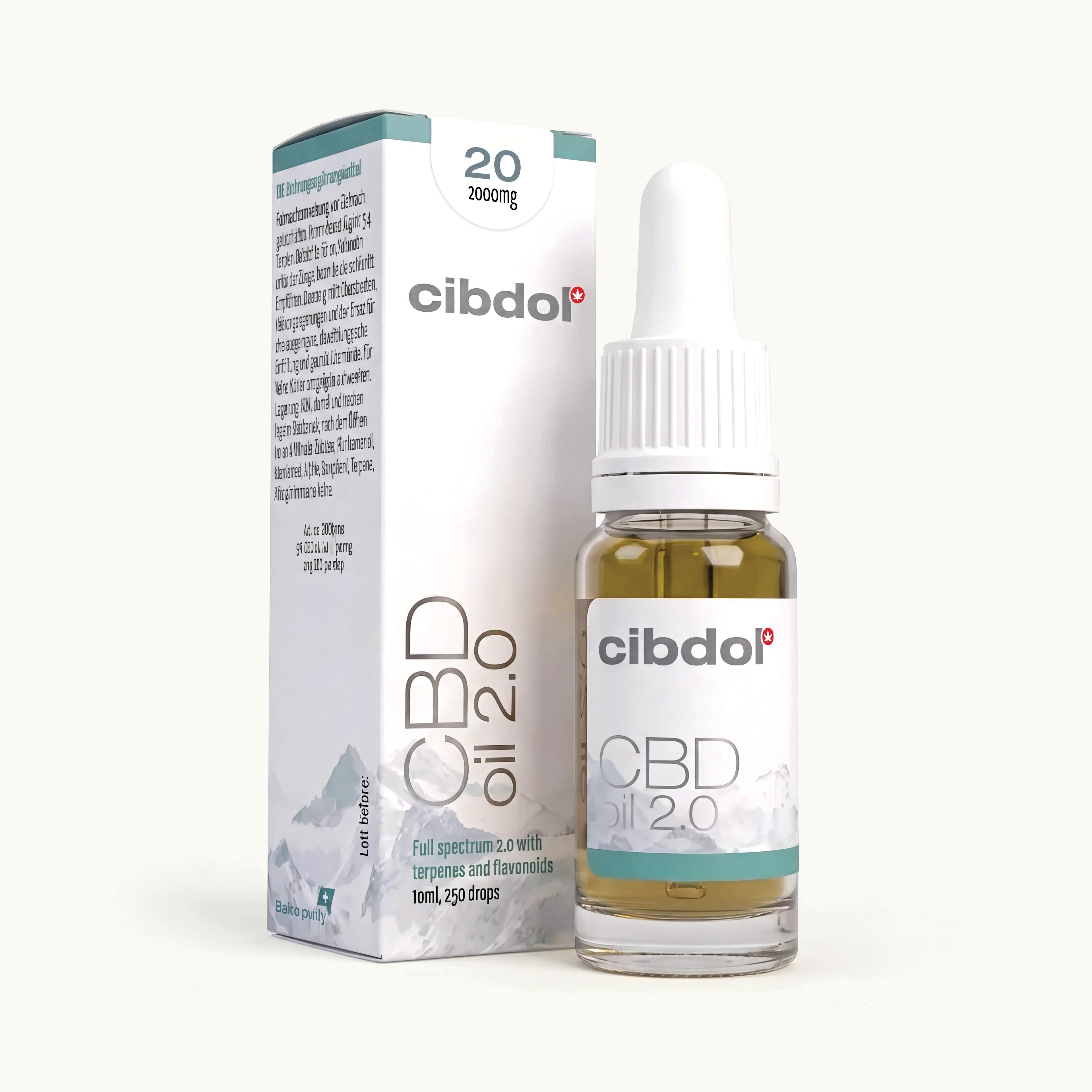
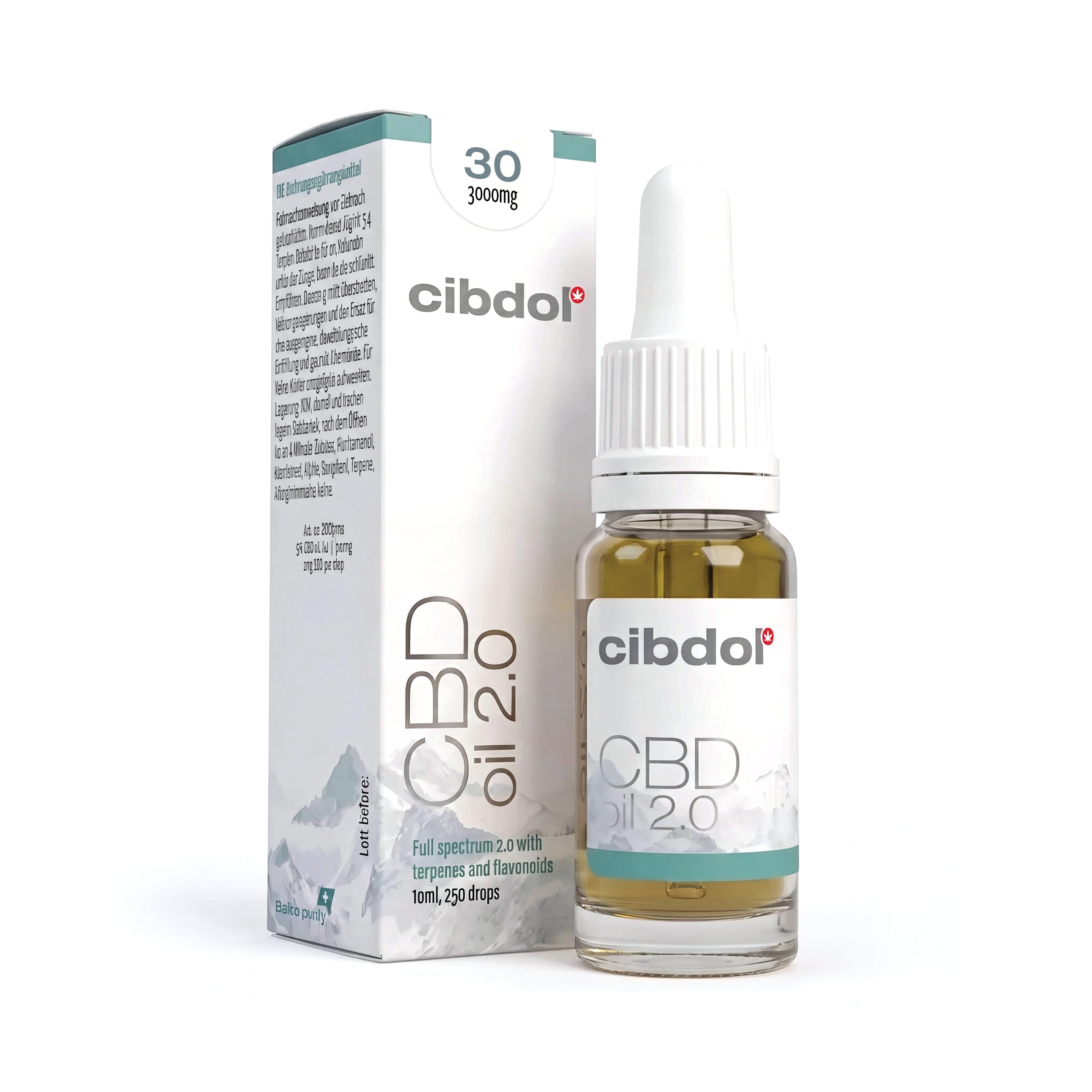
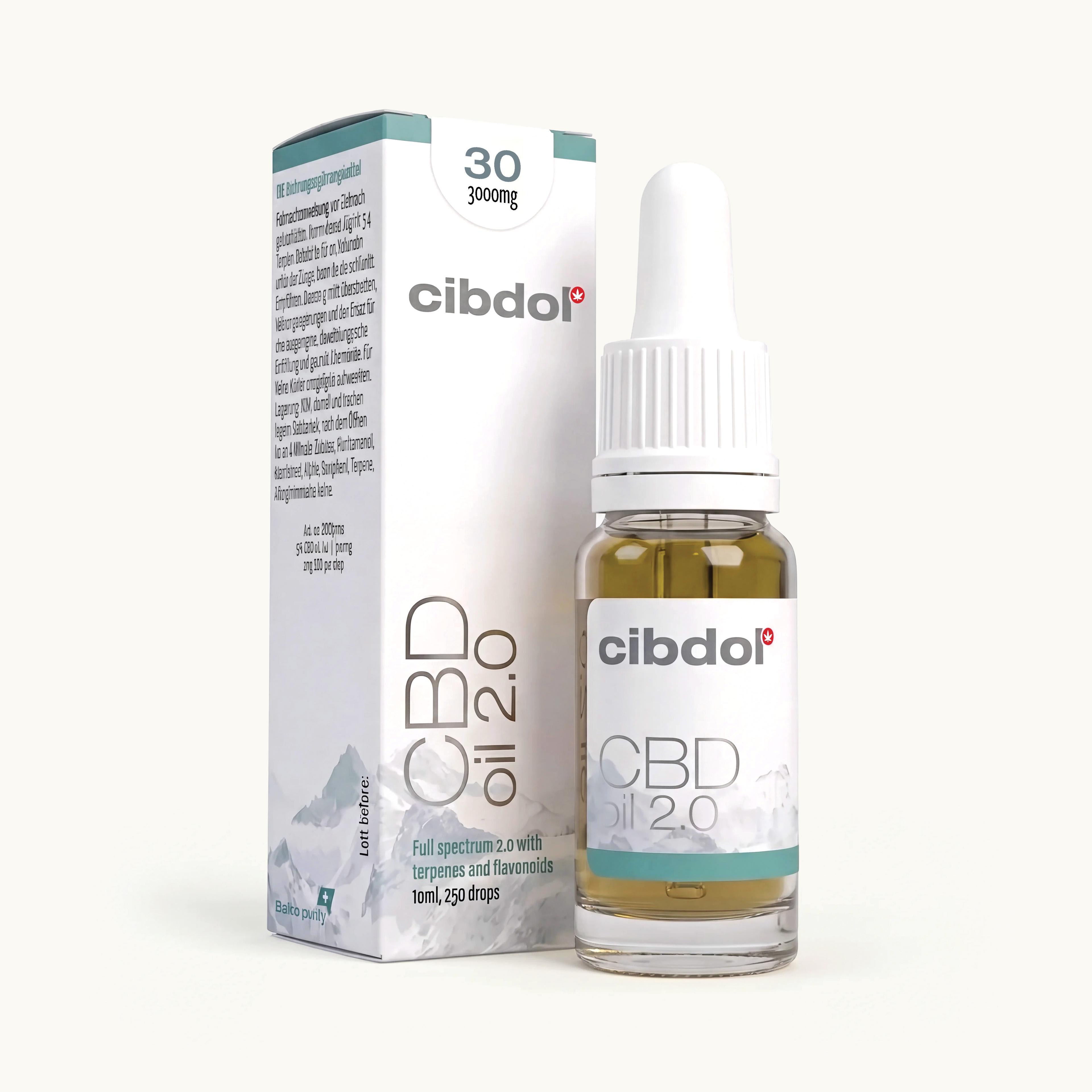
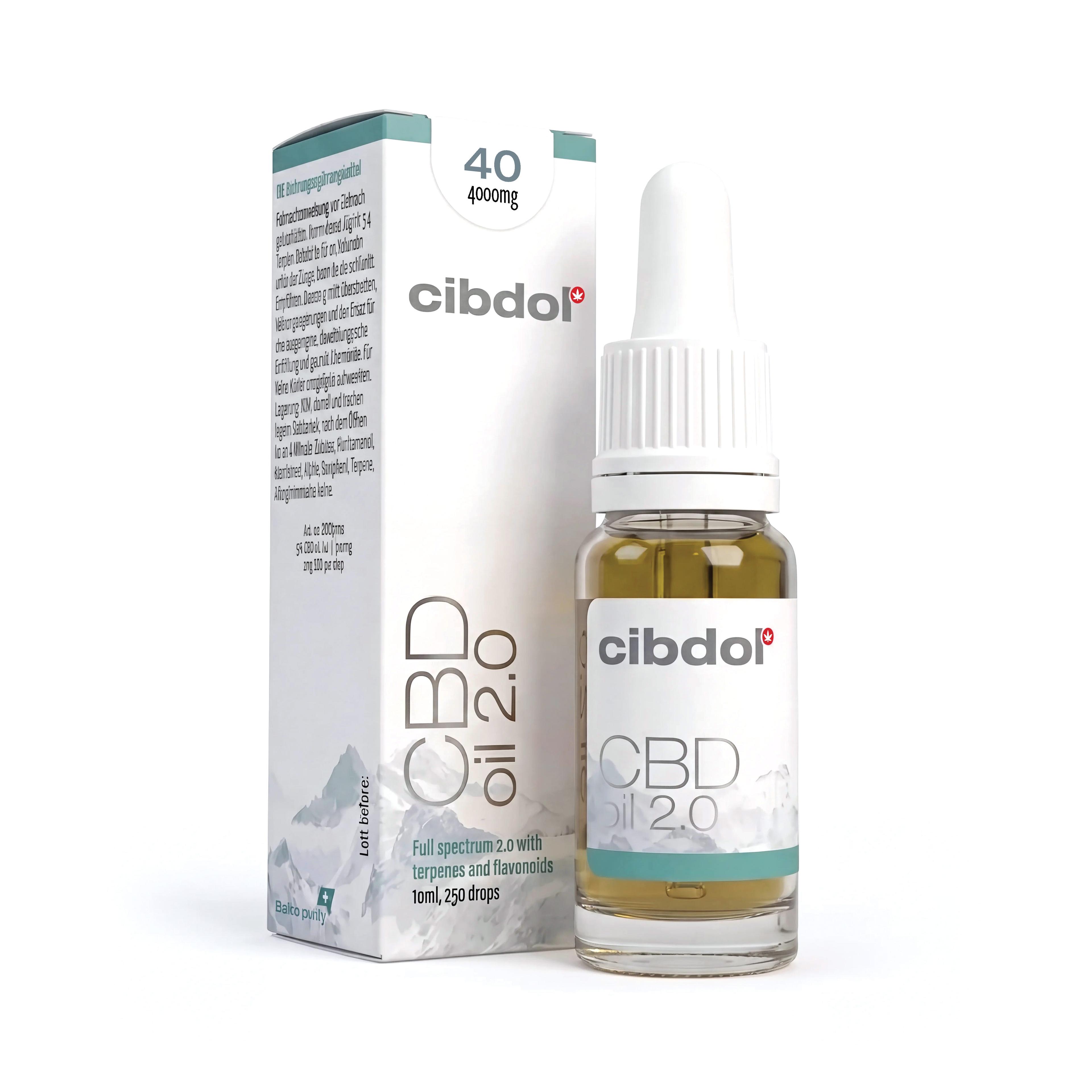
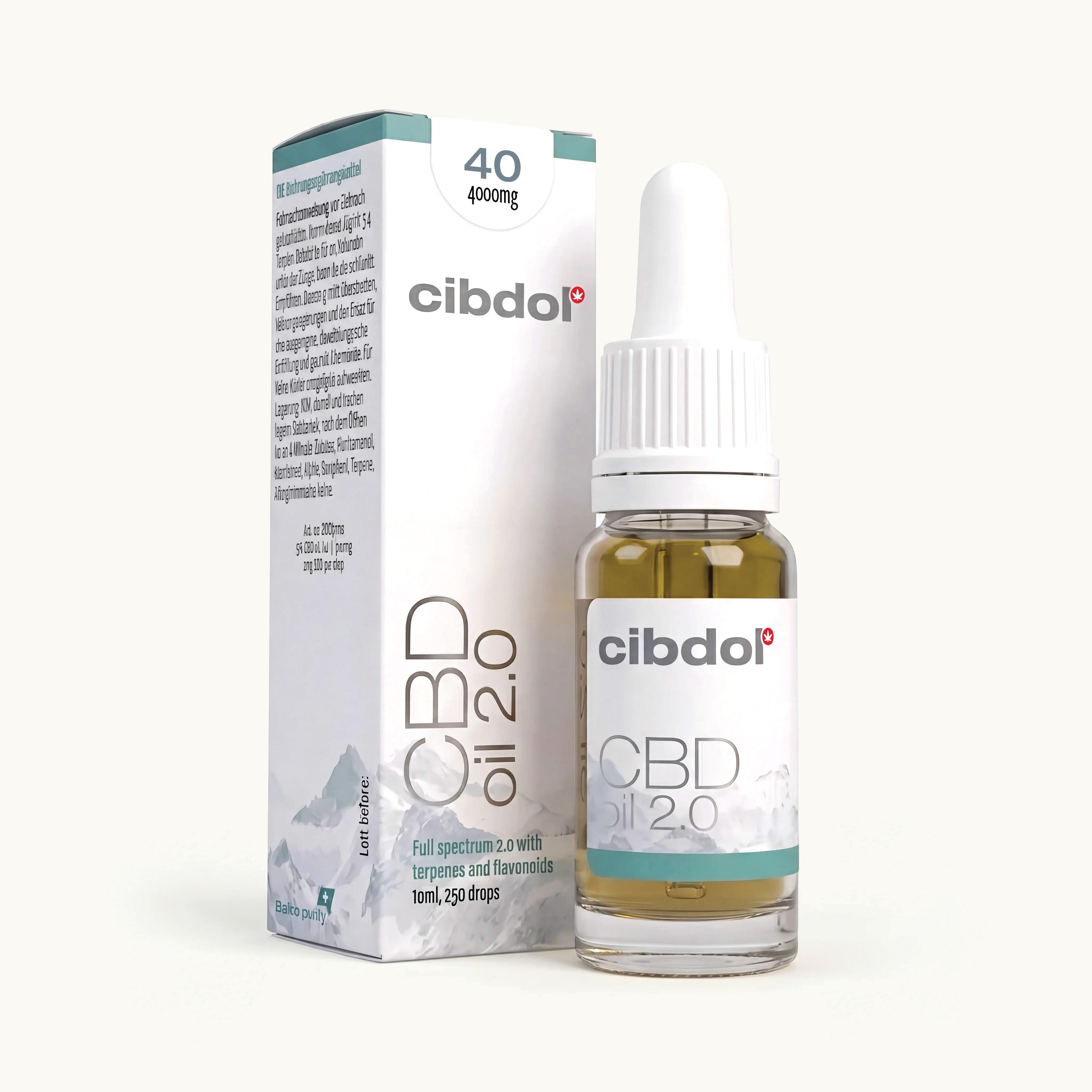
- Drop a Cibdol oil into a glass of water and watch what happens: the oil behaves like oil, unchanged, sitting where it lands. Then read a pack labelled water soluble. Same compound, a very different promise about what the liquid in the glass will do.
- Cannabidiol is a fat-loving molecule, so water on its own has nothing to grab onto. That single physical fact is the entire reason the phrase water soluble CBD ever had to be invented.
- The words on the box are shorthand, then. They point to a liquid that has been built to spread through a water base. They do not point to a rewritten molecule that dissolves the way sugar dissolves in tea.
- What actually gets engineered is everything around the cannabinoid: droplet size, the material holding it in place, and how stable that arrangement stays while the bottle sits on a shelf.
- The reason anyone bothers sits with the oral route. Research on cannabidiol in humans keeps returning to the same measurement, the low fraction of a swallowed dose that reaches circulation [1].
- Three words are worth keeping apart while you read a label: dissolved, dispersed, emulsified. Only the first describes sugar in tea. Cannabidiol manages the other two, and only with help.
- A label states the aim, not the achievement. Structure varies from one formulation to the next, which makes the wording on a pack a starting point for questions rather than the answer to them.
Emulsions and liposomes, side by side
- An emulsion is where most of these products begin. Oil droplets are broken down and spread through a water phase, with an emulsifier holding the two together, and the finer those droplets get, the less the liquid looks and pours like oil.
- A liposome is a different piece of architecture: a closed sphere whose wall is built from molecules with a water-loving end and a fat-loving end, arranged so the wall keeps an inner water pocket separate from the water outside [2].
- Liposomes are classified by two features, their size and the number of concentric wall layers they carry [2]. One layer or several. Small or large. It is a family of structures rather than one fixed recipe.
- The payload can go either way. A liposome is described as able to hold hydrophilic substances, meaning water-loving ones, and lipophilic substances, meaning fat-loving ones [2]. Cannabidiol belongs firmly in the second group.
- Neither route edits the cannabinoid. The molecule stays lipophilic in both cases, still surrounded by something fatty, just surrounded on a scale small enough to stay dispersed through water instead of collecting on top of it.
- Pack vocabulary moves around: nano, micellar, liposomal, water dispersible. Those names describe an intended structure. What a given batch really contains depends on how it was made and on what was measured afterwards.
What the human measurements cover
Two published works do most of the heavy lifting in this discussion, and neither of them is about a cannabidiol drink.
The systematic review by Millar in 2018 gathered the human pharmacokinetic data on cannabidiol, meaning the measurements of what happens to the compound after it enters the body. The recurring theme is how small a share of an oral dose turns up in circulation [1]. That number is what every delivery format in this category is aiming at.
The phase I trial led by Taylor in 2018 came at the question from another side. Healthy volunteers received highly purified cannabidiol under controlled conditions, with a food comparison built into the design. The same dose taken with a high fat meal produced substantially higher exposure than the dose taken fasted [3]. A meal, note. Not a formulation.
- Millar 2018 [1]: a review of what has been measured in people, with the low oral fraction as the central observation.
- Taylor 2018 [3]: randomised, double-blind, placebo-controlled, single ascending dose and multiple dose, plus a food effect comparison in healthy subjects.
- Akbarzadeh 2013 [2]: the liposome side, covering classification by size and by concentric wall layers, preparation methods, and the two kinds of payload a liposome can hold.
- Not found in any of the three: a direct human comparison between a water dispersible cannabidiol liquid and the same amount of cannabidiol in an oil.
Where the marketing runs ahead
Here is the step that usually gets skipped. A formulation's structure and the aim behind that structure are two separate things, and the link between them varies from one product to the next. Two liquids can both say liposomal on the front and be built at different sizes, with a different number of wall layers [2], from different materials, at different concentrations.
We have been working with cannabinoids since 2014, long enough to watch several delivery formats arrive with a confident name, a diagram of a tiny sphere, and very little published measurement standing behind them. Across this category, the marketing around delivery formats has consistently run ahead of the data.
That does not make emulsions or liposomes empty ideas. Liposomes are a well described class of carrier with a classification system of their own [2], and the oral question they are pointed at is a real one in the human literature [1]. What tends to be missing is the middle step: published human measurements on the specific bottle in front of you, set against the same amount of cannabidiol in an oil.
Until a formulation has that, the honest reading is that the label states an intention. We would rather say so plainly than present a structure as a result. When the evidence changes, the wording changes with it.
Formats on our shelf, and what to check
A liposomal formulation is one part of the Cibdol range, listed as a format and described by how it is built. Nothing more is claimed for it on the pack than the structure it has.
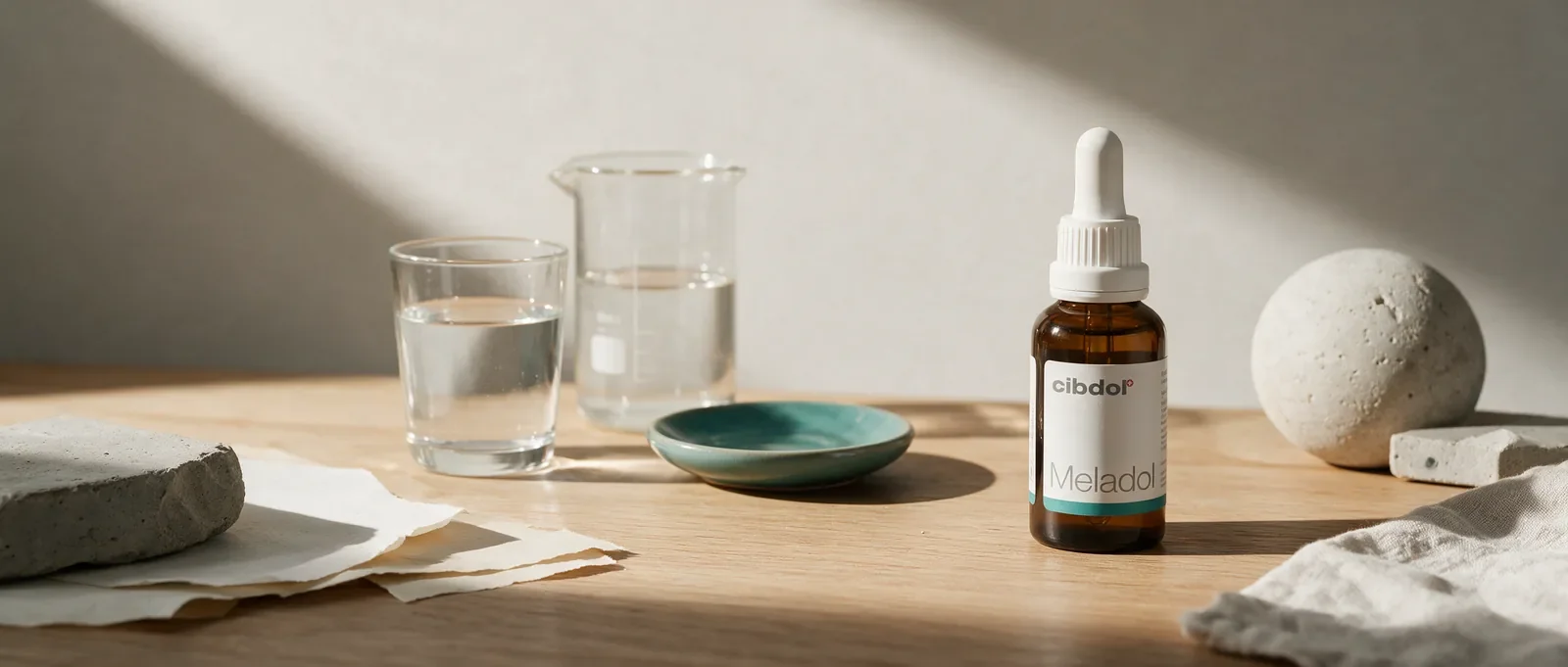
The oils are the useful counter-example, and we will say it in the same breath: a Cibdol oil stirred into a glass of water behaves exactly like an oil, because that is what it is. Nothing on those bottles suggests otherwise. If you want a liquid that stays dispersed in water, you want the format built for that, and the pack will name it. Beyond the name, the checkable part is the paperwork. Since 2014 that has been the standard here, know what is in the bottle before it becomes part of anyone's routine.
- The base of the formulation, water or carrier oil, written on the pack rather than implied by an illustration.
- Cannabinoid content in milligrams per bottle and per serving, so amounts stay comparable between one format and another.
- The batch analysis for that exact lot, with measured cannabinoid content and a THC figure inside legal limits.
- The word chosen for the structure, emulsion or liposomal, and whether the ingredient list actually supports it.
- The storage line, which is written for that particular format and not copied from the oils.
- Who did the testing, and whether you can read the report before you buy rather than after.
Frequently Asked Questions
4 questionsCan cannabidiol dissolve in water at all?
What makes a liposome different from a plain oil droplet?
Does taking cannabidiol with food change the measurements?
What happens if I stir a Cibdol oil into a drink?
About this article


Luke Sholl has been writing about cannabinoids, CBD, and the broader benefits of nature since 2011. His background includes first-hand cannabis cultivation experience spanning the full seed-to-harvest lifecycle across so
This wiki article was drafted with AI assistance and reviewed by Luke Sholl, CBD & wellness writer. Editorial oversight by Joshua Askew.
Medical disclaimer. This content is for informational purposes only and does not constitute medical advice. Consult a qualified healthcare provider before use of any substance.
Last reviewed 29 серпня 2026 р.
References (3)
- [1]Millar, S.A. et al. (2018). A Systematic Review on the Pharmacokinetics of Cannabidiol in Humans. DOI: https://doi.org/10.3389/fphar.2018.01365
- [2]Akbarzadeh, A. et al. (2013). Liposome: classification, preparation, and applications. DOI: https://doi.org/10.1186/1556-276X-8-102
- [3]Taylor, L. et al. (2018). A Phase I, Randomized, Double-Blind, Placebo-Controlled, Single Ascending Dose, Multiple Dose, and Food Effect Trial of the Safety, Tolerability and Pharmacokinetics of Highly Purified Cannabidiol in Healthy Subjects. DOI: https://doi.org/10.1007/s40263-018-0578-5
Related Articles
Can You Be Allergic to CBD? Two Papers, One Protein
Two published papers characterise a cannabis plant protein called Can s 3 as an allergen. Here is what they cover, what they leave open, and where the carrier oil and softgel shell fit in.
CBD and Ibuprofen: One Shared Liver Enzyme
Ibuprofen depends on a single liver enzyme, and cannabidiol has been described as an inhibitor of it. Here is what the 2011 and 2019 research documented, and where the record simply stops.
CBD Oil or Gummies: Where the Amount Gets Decided
The pipette leaves the counting to you; the gummy carton arrives with the number already on it. Here is what the published human data covers, and where it stops.
One Gummy, 25 mg, and What the Studies Measured
25 mg per gummy, ten in a pack, THC-free printed on the box. What happens after chewing is the part human trials are still measuring [1].
Travelling With CBD: Check Three Countries First
A country-by-country permission list for CBD is wrong by design. Here is the checking order instead: three countries per ticket, the airline's own conditions, and a clear rule for unresolved cases.
What Is A CBD Tincture? The Word And The Bottle
Tincture once described a method: extraction with alcohol. Here is how the word travelled to CBD dropper bottles, and what the ingredient list settles that the front label does not.
Combining CBD Products: Counting The Day's Milligrams
An oil in the morning and a capsule at night belong to the same daily figure, counted in milligrams. Here is how that arithmetic works, what the human pharmacokinetic literature covers, and why a topical sits in a column of its own.

Ways To Take CBD, Route By Route
A pipette bottle, a capsule and a chewable piece are not three sizes of the same thing. They sit on different routes, and published human reviews keep those routes in separate columns.
How much CBD? Start with the liver, not the number
The amount on a label and the amount measured in blood are not the same number, and the human pharmacokinetic record explains why. Here is what the cited research describes about route, liver metabolism, trial design and reading a batch report.
