Building a Tolerance to CBD: What Is Actually Documented
Definition
Tolerance, in pharmacology, means the same amount producing a smaller response as it gets repeated. For THC, that pattern has been documented in human work on cannabinoid pharmacokinetics [1]. For cannabidiol, the human record so far describes exposure rather than tolerance, and the receptor profile behind it is not THC's [2].
Two molecules, one question
- THC is the reference case here. Its tolerance pattern has been documented in people, and Huestis's 2007 review of human cannabinoid pharmacokinetics is one of the places that record sits [1]. Cannabidiol has no equivalent record.
- Put the two side by side and you can see what a documented tolerance profile is made of [1]. Not one observation. Dose, repetition, timing and a measured response, collected in humans.
- CB1 is the receptor at the centre of the whole discussion. Human research links that site to the intoxicating effects of cannabis and to the tolerance patterns reported alongside them [1].
- Cannabidiol's receptor profile is not THC's. It isn't a classical orthosteric CB1 agonist, so it doesn't occupy and switch on that primary binding site the way THC does.
- The route described for THC tolerance runs through sustained direct activation of CB1 and the receptor loss that follows. Carrying that mechanism across to cannabidiol is not automatic [2].
- The 2018 systematic review by Millar and colleagues gathered the human pharmacokinetic data on cannabidiol: administration route against plasma concentrations, plus half-life and clearance estimates, with wide variation between studies [2].
- Exposure and tolerance are separate measurements. How much cannabidiol reaches the blood is a different question from whether the same amount does less after three weeks [2].
- Which gives an honest answer rather than a tidy one. For THC, the pattern is on paper [1]. For cannabidiol, the human literature covers exposure, and the tolerance question stays open [2].
The receptor everyone points at
CB1, the first stop
Ask about tolerance to anything that comes out of the cannabis plant, and the conversation lands on one receptor. CB1. Human research ties that site to the intoxicating effects of cannabis, and to the tolerance patterns described next to them [1]. So cannabinoid pharmacology tends to begin there. Beginning there is fine. The shortcut is what follows. Because CB1 explains so much about one molecule, it gets borrowed to explain every molecule in the plant. Hemp holds more than a hundred identified cannabinoids, and they don't all meet that receptor in the same way.
Repeated activation, and the receptor count
The route described for THC runs in a straight line. The molecule binds the receptor's primary site and switches it on. Keep that activation going and the number of available receptors drops, so the same amount of the same substance has less to act on [2]. Read that again and the conditions built into it become visible. It needs a compound that actually occupies and activates the primary site, sustained over time. Remove the condition and the explanation doesn't travel with it [2].
A second condition is about method. Tolerance is an endpoint. To report it, a study has to give the same amount repeatedly and measure the response at each point, in people. Pharmacokinetic studies are built to answer something else. The evidence, the designs and the endpoints differ, which is exactly why the two questions get kept apart [2].
Cannabidiol goes another way
Not the classical agonist
One piece of vocabulary makes the rest readable. Orthosteric refers to a receptor's primary binding site, the pocket its own signalling molecules use. A classical orthosteric agonist settles into that pocket and switches the receptor on. That's the mechanism most people picture when they picture a cannabinoid at work.
Cannabidiol isn't described that way. Its receptor profile differs from THC's, and it isn't a classical orthosteric CB1 agonist, so it doesn't occupy and activate that primary site in THC fashion. Same plant, same family of compounds, different behaviour at the very site the tolerance discussion is built around [1].
A mechanism you can't lend out
Here's where a lot of internet reasoning slips. It takes the THC mechanism, swaps in a different molecule, and keeps the conclusion. If the documented route to tolerance runs through sustained direct CB1 activation and receptor loss, transferring that route to cannabidiol is not automatic [2].
That cuts both ways, and we'd rather say so than pick the flattering half. No documented pattern is not the same thing as a documented absence. What the human record supports today is a distinction, not a verdict: THC has the tolerance profile written down [1], and cannabidiol has a different receptor profile with the question left open [2]. Since 2014 we've watched that gap close slowly, one study at a time.
What the 2018 review counted
Route in, concentration out
In 2018, Millar and colleagues published a systematic review of cannabidiol pharmacokinetics in humans. Pharmacokinetics is the plain question of what the body does with a substance once it's in: how much turns up, how long it stays, how fast it leaves.
The review sets administration route against measured plasma concentrations, and reports half-life and clearance estimates from the human studies available at the time [2]. It also reports something less comfortable. The studies sit far apart from one another, and that wide between-study variation is part of the finding rather than a rounding error [2].
Exposure measured, response not
So there are numbers. Just not the numbers this question needs.
Characterising exposure and characterising tolerance are two separate jobs. A half-life describes a concentration curve over hours. A clearance estimate describes how quickly a substance is removed. Neither measures whether a repeated amount produces a smaller response, because neither was designed for it [2]. You could know a compound's pharmacokinetics down to the decimal and still have nothing to report about tolerance.
That's the state of it. The exposure side of cannabidiol in humans has been reviewed [2]. The tolerance side has a reference case, and the reference case is THC [1].
What a bottle can tell you
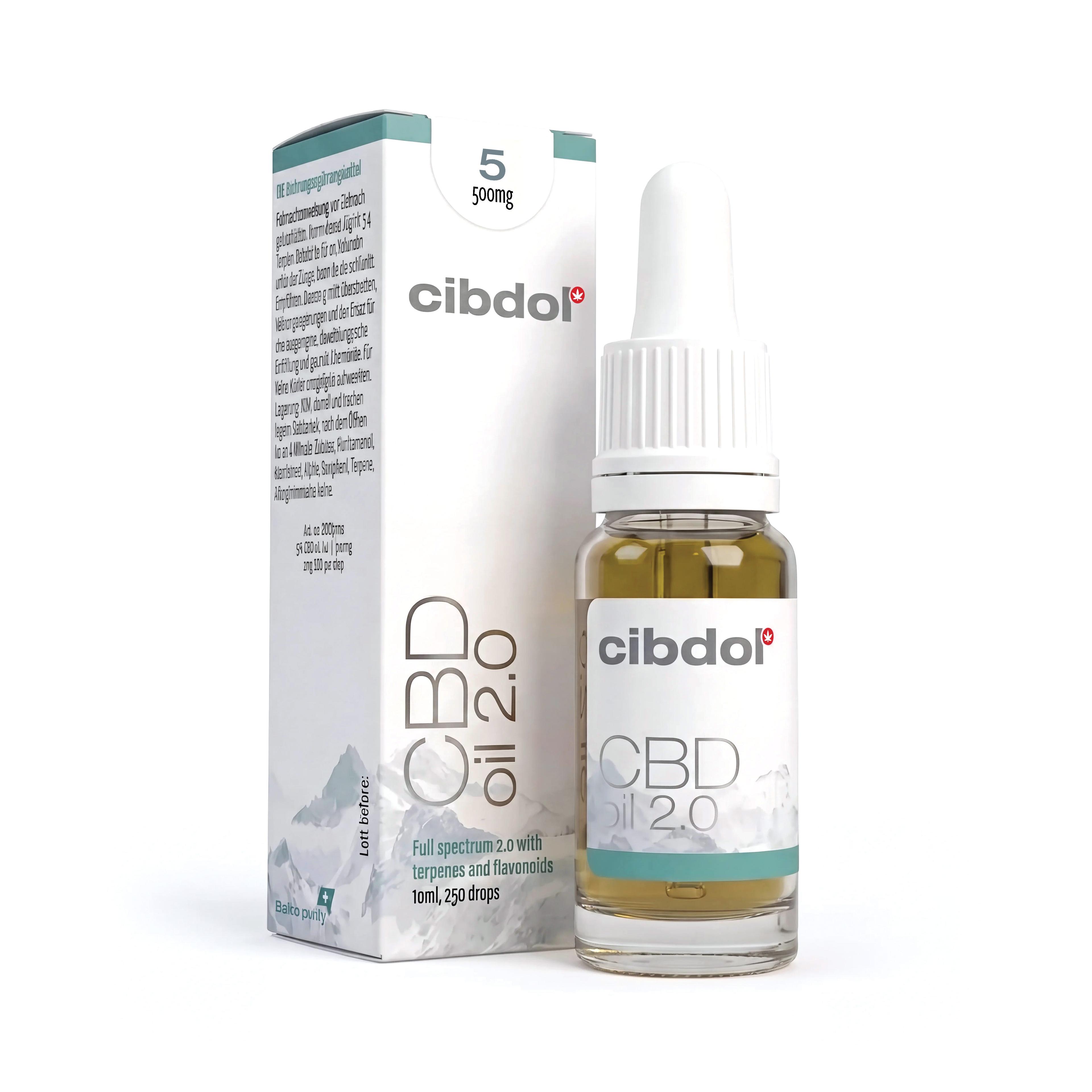
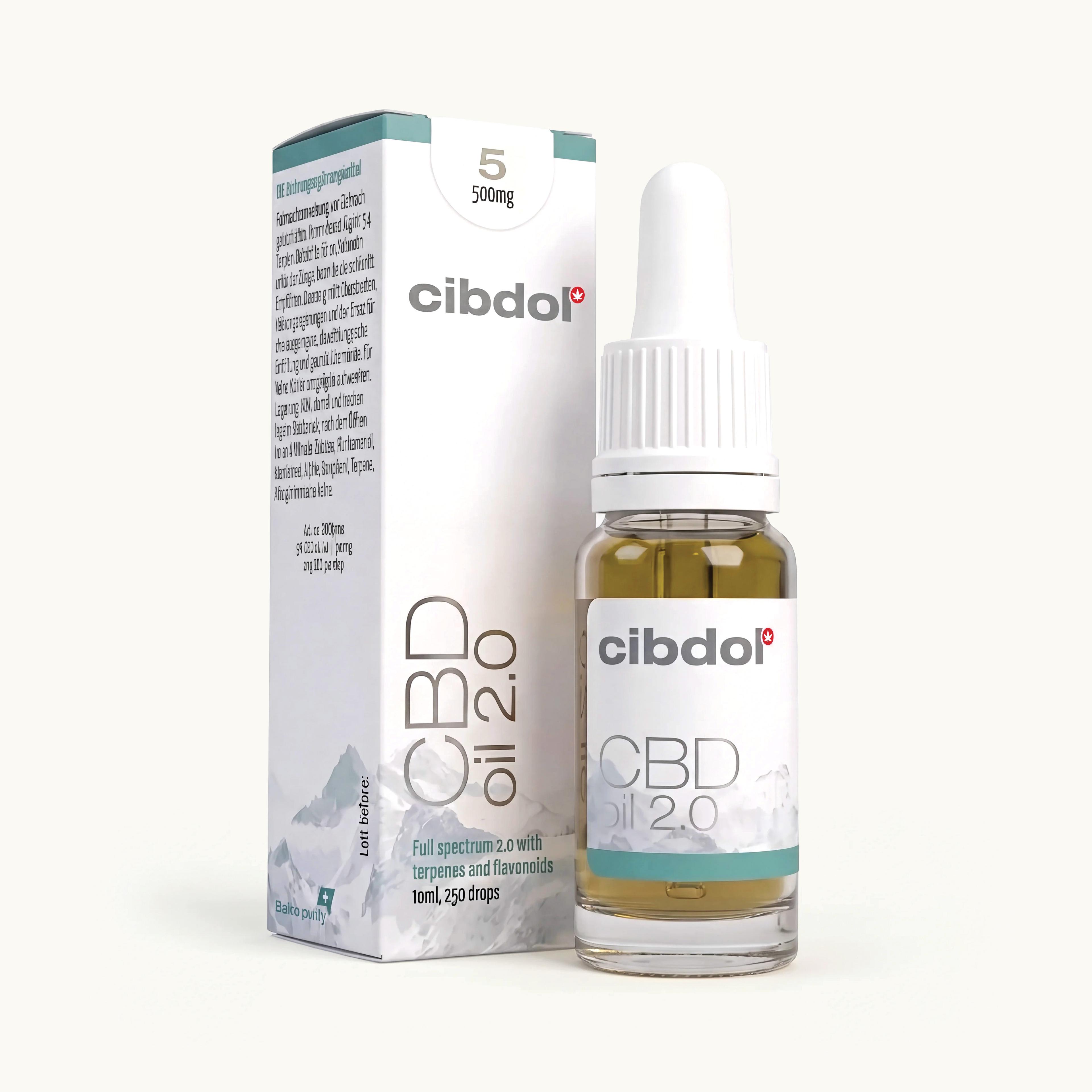
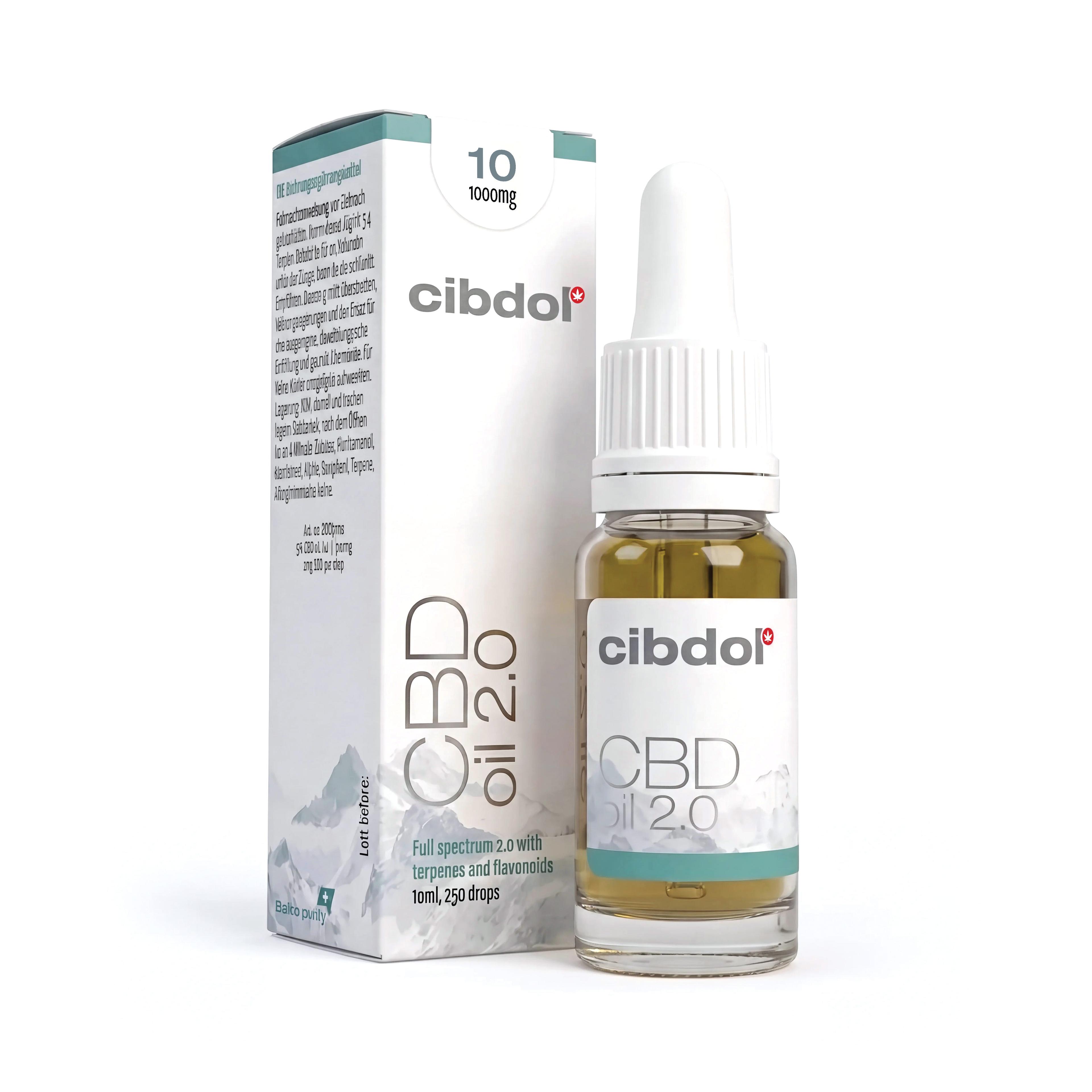
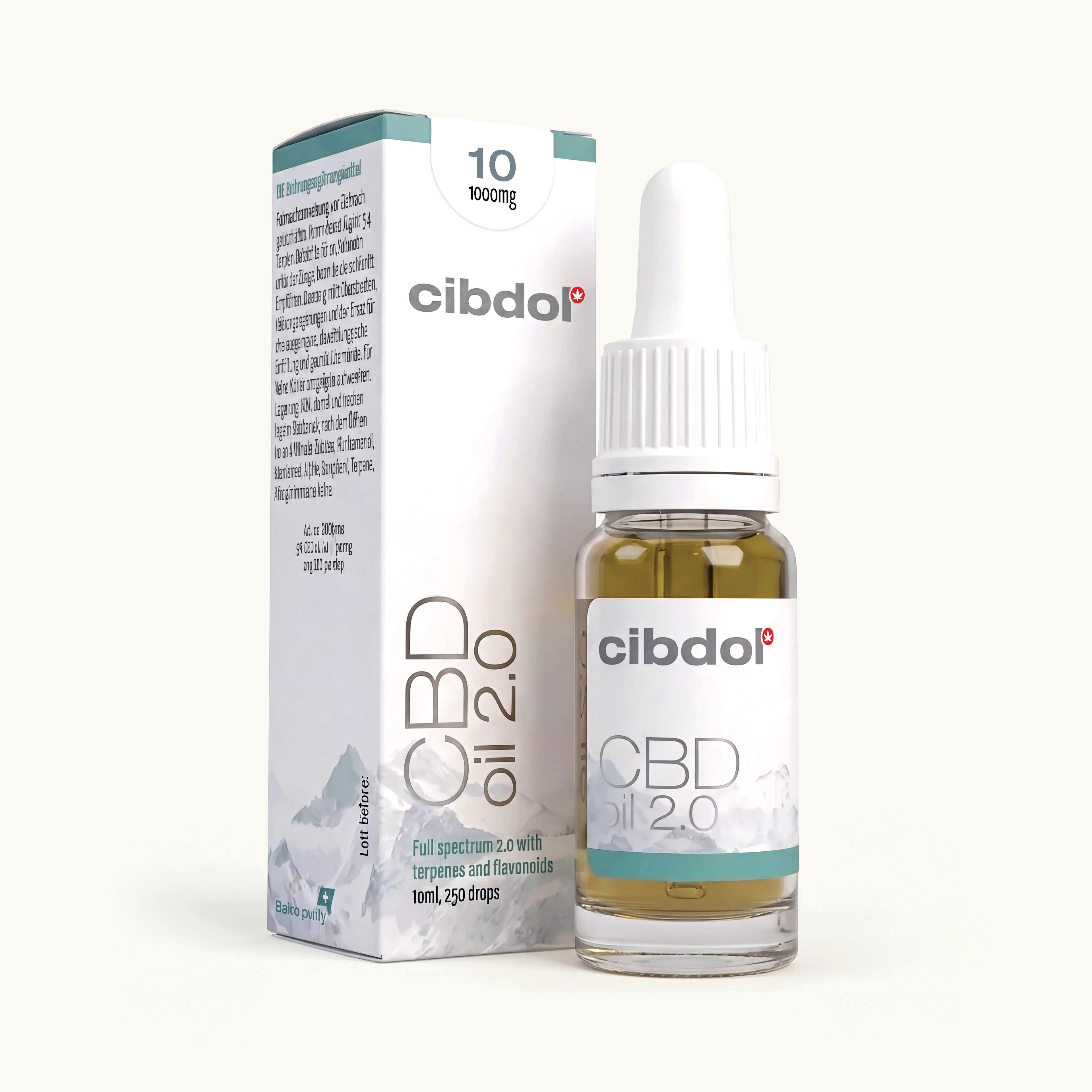
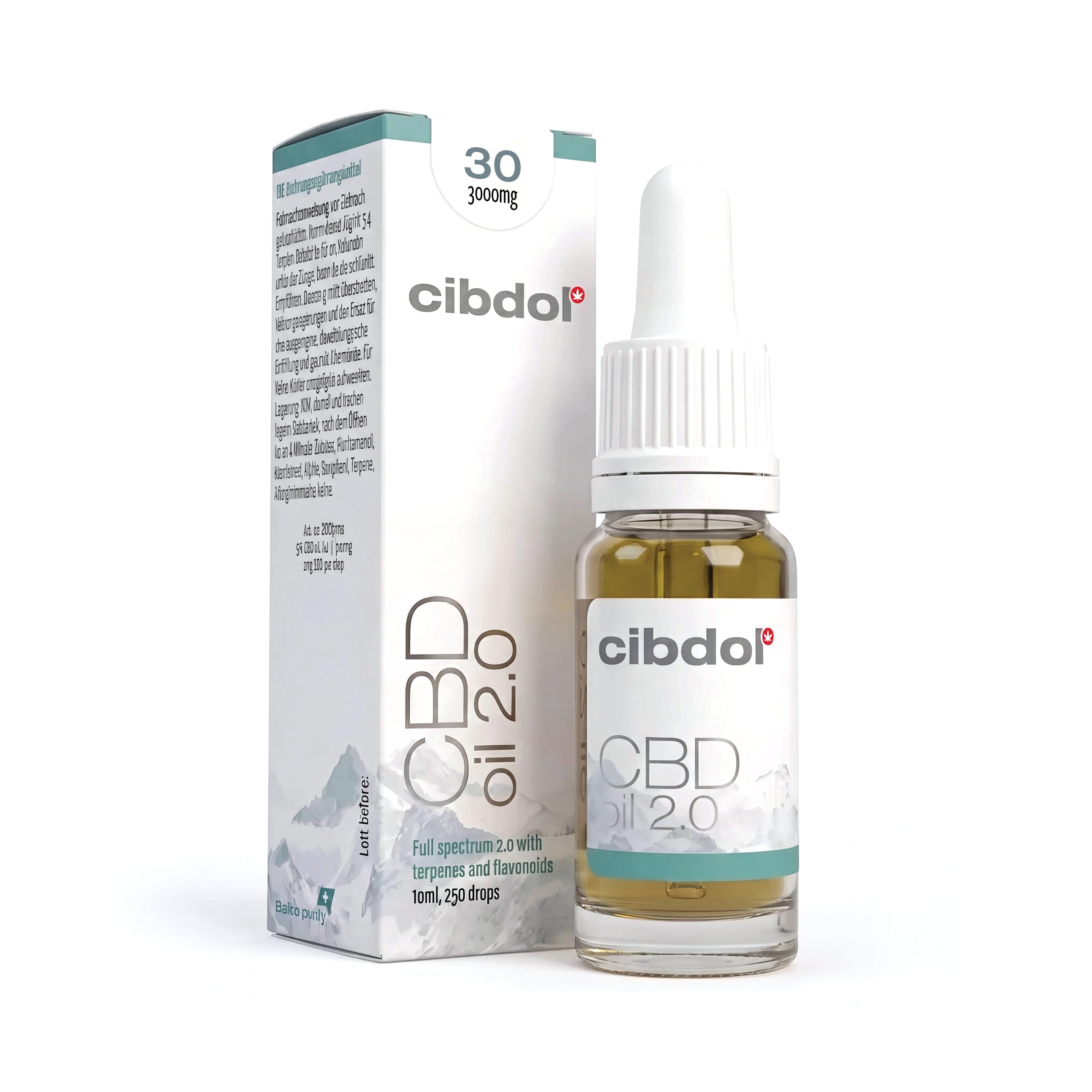
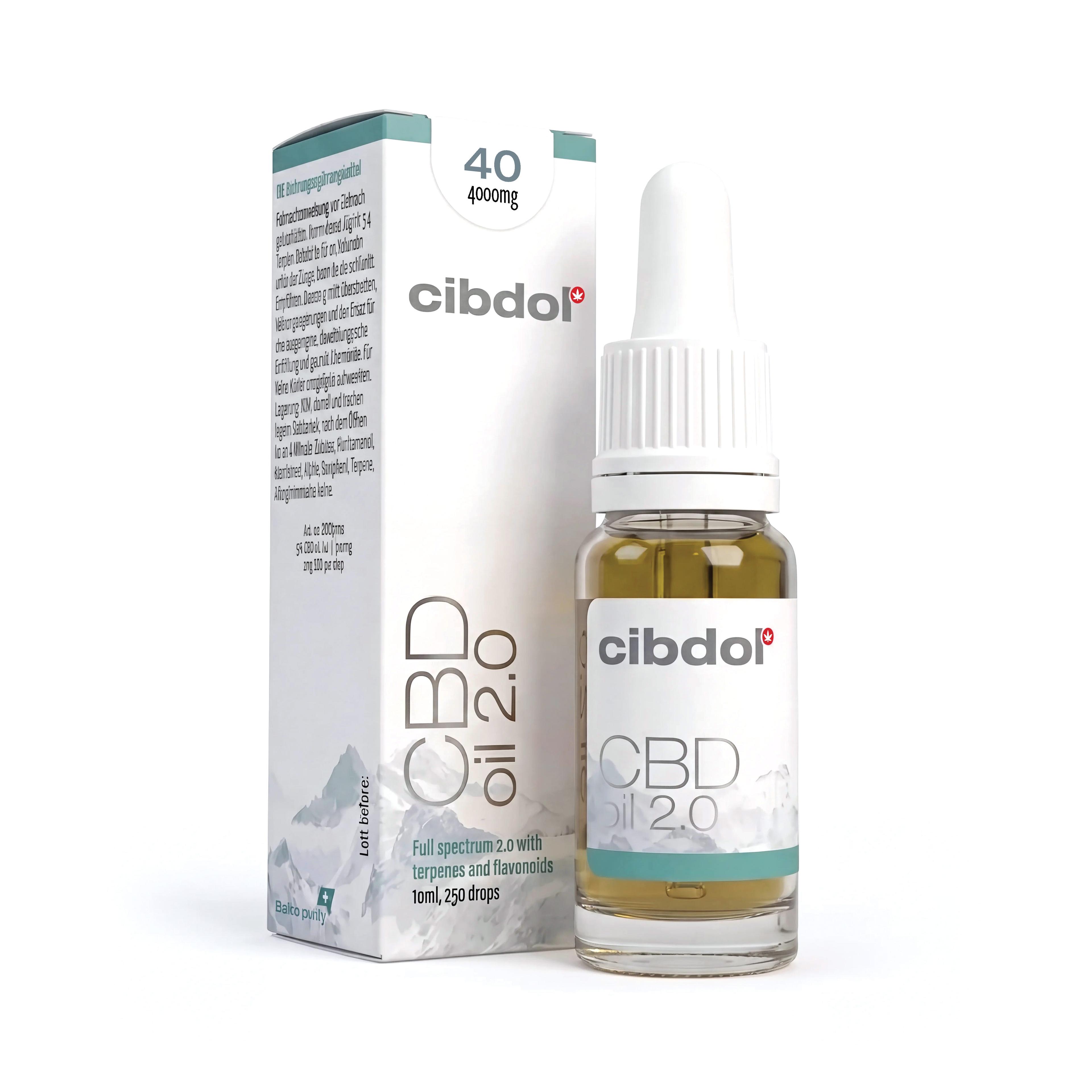
The tolerance question is open in the human literature. The label question isn't, and only one of those two is in your hands while you're standing there holding the bottle. That's worth separating. Cibdol has been working with cannabinoids since 2014, and the standard hasn't shifted: know what's inside, then publish enough for someone else to check it. Milligrams are countable. Batches are traceable. A response pattern measured over weeks is a research endpoint, and it takes a study built for that purpose [2].
- Cannabinoid content in milligrams per bottle, with the concentration as a percentage, is a figure you can hold against the batch analysis rather than take on trust.
- The batch number printed on the bottle should lead to an independent analysis of that batch, not a general document for the whole product line.
- THC stays within legal limits in our oils, and the analysis is where that becomes verifiable instead of a sentence on a web page.
- Carrier oil and remaining ingredients belong on the same panel. Full-spectrum means a broader cannabinoid profile, with CBG, CBC, CBN and CBDa listed next to CBD.
- The two questions in this article stay separate in the literature: human exposure to cannabidiol has been reviewed [2], while the human tolerance pattern is documented for THC [1].
- If you take prescribed medication, that belongs in a conversation with your doctor before any routine starts, not in a decision made from a product page.
Frequently Asked Questions
4 questionsDoes the same amount of CBD do less after a few weeks?
What is CB1, in plain terms?
Why is THC the molecule with the record?
Cannabidiol isn't a classical CB1 agonist. What does that change?
About this article


Luke Sholl has been writing about cannabinoids, CBD, and the broader benefits of nature since 2011. His background includes first-hand cannabis cultivation experience spanning the full seed-to-harvest lifecycle across so
This wiki article was drafted with AI assistance and reviewed by Luke Sholl, CBD & wellness writer. Editorial oversight by Joshua Askew.
Medical disclaimer. This content is for informational purposes only and does not constitute medical advice. Consult a qualified healthcare provider before use of any substance.
Last reviewed 27 серпня 2026 р.
References (2)
- [1]Huestis, M.A. (2007). Human Cannabinoid Pharmacokinetics. DOI: https://doi.org/10.1002/cbdv.200790152
- [2]Millar, S.A. et al. (2018). A Systematic Review on the Pharmacokinetics of Cannabidiol in Humans. DOI: https://doi.org/10.3389/fphar.2018.01365
Related Articles

Can You Be Allergic to CBD? Two Papers, One Protein
Two published papers characterise a cannabis plant protein called Can s 3 as an allergen. Here is what they cover, what they leave open, and where the carrier oil and softgel shell fit in.
CBD and Ibuprofen: One Shared Liver Enzyme
Ibuprofen depends on a single liver enzyme, and cannabidiol has been described as an inhibitor of it. Here is what the 2011 and 2019 research documented, and where the record simply stops.
CBD That Mixes Into Water: The Actual Chemistry
The phrase exists because of one physical fact: cannabidiol and water do not mix on their own. Here is what emulsions and liposomes actually are, and where the published human measurements stop.
CBD Oil or Gummies: Where the Amount Gets Decided
The pipette leaves the counting to you; the gummy carton arrives with the number already on it. Here is what the published human data covers, and where it stops.
One Gummy, 25 mg, and What the Studies Measured
25 mg per gummy, ten in a pack, THC-free printed on the box. What happens after chewing is the part human trials are still measuring [1].
Travelling With CBD: Check Three Countries First
A country-by-country permission list for CBD is wrong by design. Here is the checking order instead: three countries per ticket, the airline's own conditions, and a clear rule for unresolved cases.
What Is A CBD Tincture? The Word And The Bottle
Tincture once described a method: extraction with alcohol. Here is how the word travelled to CBD dropper bottles, and what the ingredient list settles that the front label does not.
Combining CBD Products: Counting The Day's Milligrams
An oil in the morning and a capsule at night belong to the same daily figure, counted in milligrams. Here is how that arithmetic works, what the human pharmacokinetic literature covers, and why a topical sits in a column of its own.

Ways To Take CBD, Route By Route
A pipette bottle, a capsule and a chewable piece are not three sizes of the same thing. They sit on different routes, and published human reviews keep those routes in separate columns.
