








CBG (Cannabigerol): Benefits, Side Effects, and Safe Use
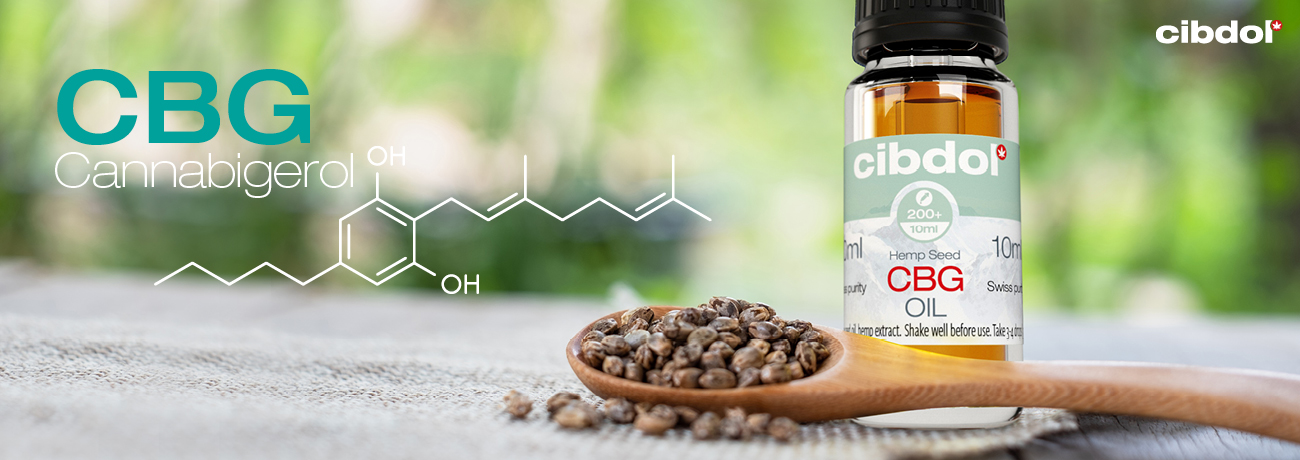
Curious about the lesser-known cannabinoid CBG? Dive into the latest research around this fascinating compound to develop an evidence-based understanding. Cannabigerol (CBG) is often described as a “parent” cannabinoid because it appears early in the cannabis plant’s cannabinoid pathway, before compounds like THC and CBD are formed.
Interest in CBG benefits has grown rapidly, particularly in areas such as everyday calm, physical comfort, and inflammatory balance. At the same time, responsible use means understanding tolerability and cannabigerol side effects, which for some people may include dry mouth, light-headedness, or digestive upset. Despite increasing consumer interest, experts consistently note that robust long-term human data remains limited, highlighting the importance of cautious use and further clinical research.1
In this guide, we’ll explore what the evidence suggests, where research remains limited, and how to approach CBG thoughtfully, so you can make safer, more informed choices.
What are the main benefits associated with CBG?
CBG is a non-intoxicating cannabinoid being studied for a range of wellness applications, from emotional balance to physical comfort. While evidence is still emerging, early human data, preclinical research, and user reports point to several consistent areas of interest.
A common question is: "How does CBG make you feel mentally or physically?" Many people describe it as subtly “clear-headed”, with a steadying effect rather than a sedating one, alongside a sense of physical easing. This profile has made CBG of interest as a potential daytime cannabinoid, particularly compared with more sedating compounds.
Below, we’ll break down the most discussed CBG benefits and what current research does (and doesn’t) support, including potential roles in inflammation, mood and stress, and everyday discomfort.
Anti-inflammatory and pain relief properties
One of the most widely discussed areas of interest is the potential benefits of CBG for reducing inflammation. Preclinical studies suggest CBG may influence inflammatory signalling pathways and interact with receptors involved in immune balance and pain perception. Reviews of molecular mechanisms highlight CBG’s interaction with multiple receptor systems relevant to inflammatory and pain-related processes.3
It’s essential to keep this in context: much of the strongest evidence still comes from laboratory and animal research, and larger, well-controlled human studies are needed before firm conclusions can be drawn.
That said, these early findings help explain why some people explore CBG for everyday aches, post-exercise discomfort, or general “tightness”, especially when seeking a clear-headed option that supports comfort without intoxication. If you’re using CBG alongside other supplements or medicines, take a cautious approach and seek professional advice where appropriate.
Neuroprotective effects and brain health
CBG is also being explored for its potential role in brain health. Preclinical research suggests it may exhibit antioxidant and anti-inflammatory activity in the nervous system, which is why scientists are interested in its possible neuroprotective effects.3
However, this is an area where it’s especially important to distinguish early signals from proven outcomes. Most findings come from cell and animal models and don’t automatically translate to meaningful benefits in humans.
For wellness-focused users, the takeaway is straightforward: CBG is promising, but it should not be viewed as a treatment for neurological conditions. If you have concerns about memory, mood, or neurological symptoms, consult a healthcare professional and consider cannabinoid products only as complementary options.
CBG for anxiety, stress, and mood
Can CBG support anxiety, stress, or mood? Potentially, but evidence is still developing and must be interpreted cautiously.
Interest in this area comes from CBG’s interaction with the endocannabinoid system and other targets involved in stress signalling and emotional regulation. Notably, one of the first placebo-controlled human clinical trials found that a single 20 mg dose of hemp-derived CBG significantly reduced self-reported anxiety and stress compared with placebo, without intoxicating effects.2 These findings suggest possible short-term benefits, though larger and longer studies are still needed.
For now, it’s best to view CBG as a wellness tool that some people explore for daytime balance rather than a replacement for mental health support. If you’re managing anxiety or low mood, speak with a qualified professional, particularly if you take prescription medication.
Appetite and digestive health support
CBG is sometimes discussed in relation to appetite and digestive comfort. Early research suggests it may influence gut function through interactions with the endocannabinoid system and other receptor pathways involved in intestinal motility and inflammation.3
Anecdotally, some people report a gentle lift in appetite or a more settled stomach, contributing to interest in CBG for everyday digestive support. However, human evidence remains limited, and digestive responses vary widely.
If you’re considering CBG for digestive reasons, start low and monitor how you feel, especially if you’re sensitive, take gastrointestinal medications, or have an underlying condition requiring clinical care.
Antibacterial and antimicrobial potential
Another area of active research is the antibacterial and antimicrobial potential of CBG. In laboratory settings, CBG has demonstrated activity against certain bacteria, sparking interest in whether it could one day contribute to maintaining microbial balance.3
At the same time, this remains early-stage science. Results from petri dishes don’t necessarily translate into safe or effective outcomes in people, and there’s currently no strong clinical evidence supporting CBG as an antimicrobial treatment.
From a consumer safety perspective, the message is clear: CBG products should not be used as a substitute for medical care, antibiotics, or professional advice. If you suspect an infection, seek prompt medical guidance.
How does CBG differ from CBD in terms of benefits?
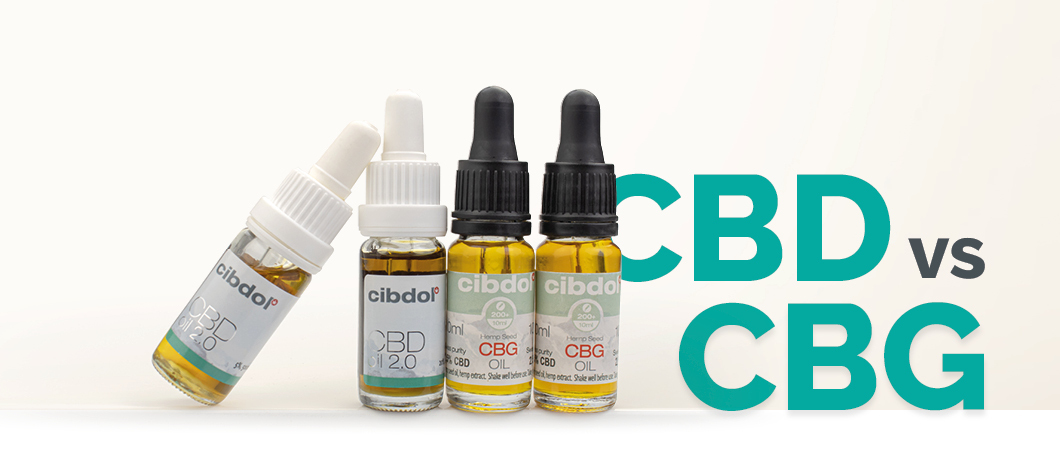
CBG and CBD are both non-intoxicating cannabinoids, but they are not interchangeable. They interact with the body in overlapping yet distinct ways, which can lead to different experiences.
CBD is far more widely studied, with a larger body of human research supporting common wellness uses such as relaxation and sleep support. CBG, sometimes called a “parent cannabinoid”, is newer to mainstream use and has a smaller evidence base, though early findings have driven interest in inflammatory balance, physical comfort, and mood.1
When comparing CBG vs. CBD benefits, it’s best to consider goals and sensitivity rather than assuming one is stronger. Some people find CBD more calming, while CBG feels more clear-headed or daytime-friendly, though responses vary.
| Aspect | CBD | CBG |
|---|---|---|
| Research landscape | Broader human evidence and longer consumer use history | Promising early research, fewer human trials overall |
| Typical wellness focus | Relaxation, stress support, sleep routines | Daytime balance, inflammatory comfort, mood support (early evidence) |
| How people often describe the feel | Calming, winding-down | Clear, steady, “focused” (varies by person and product) |
| Best way to choose | Match to your routine and desired effect; start low and adjust slowly | Match to your routine and desired effect; start low and adjust slowly |
Many products combine cannabinoids for a broader “spectrum” effect. Whatever you choose, look for transparent lab reports and clear cannabinoid content.
Are there any known side effects or risks of using CBG?
Like other cannabinoids, CBG can cause unwanted effects in some people, especially at higher amounts or when combined with other supplements. Reviews of the current literature emphasise that while CBG appears to be generally well-tolerated, systematic safety data in humans remain limited.1
Commonly discussed cannabigerol side effects are generally mild and temporary, but can still be disruptive. Paying attention to your response, starting low, and choosing well-tested products can help reduce risk.
Can CBG interact with medications or supplements? Potentially, yes. Because cannabinoids may influence how the body metabolises certain medicines, it’s important to check with a pharmacist or clinician if you take long-term prescriptions.
Common side effects (dry mouth, drowsiness, appetite changes)
Some people notice subtle side effects soon after taking CBG, particularly when new to it.
- Dry mouth: Hydration helps, and many users find this effect fades with time. If you’re wondering, "Does CBG cause dry mouth?", it can for some individuals.
- Drowsiness or fatigue: Although often described as “daytime-friendly”, sensitivity varies, and higher amounts may feel sedating.
- Appetite changes: CBG may increase appetite in some people, while others notice no change.
If you feel sleepy, avoid driving or operating machinery until you understand how it affects your response.
Digestive issues (nausea, diarrhoea, stomach upset)
Digestive discomfort is another potential side effect, particularly when taken on an empty stomach or in larger doses.
You may notice:
- nausea
- loose stools or diarrhoea
- stomach cramping or general upset
These effects may also be influenced by carrier oils or other ingredients. Taking CBG with food and reducing the amount often helps. If symptoms persist, stop use and seek medical advice.
Is taking CBG considered safe for most people?
For many healthy adults, CBG appears well-tolerated when used responsibly. However, the most accurate answer to "Is CBG safe?" is that large, long-term human studies are still lacking.1
Extra caution is recommended if you:
- Take prescription medicines (including blood thinners, antidepressants, sedatives, or anti-epileptics)
- Are pregnant or breastfeeding
- Have liver disease or a complex medical history
- Are planning surgery or have been advised to avoid supplements
If you decide to try CBG, maintain a consistent routine, introduce changes one at a time, and consult a healthcare professional if you are unsure about its suitability or potential interactions.
Lack of human data and long-term safety unknowns
One of CBG’s biggest limitations is the lack of robust human data. While interest has grown rapidly, bibliometric analyses indicate that high-quality clinical research still lags behind consumer adoption.1
Important unanswered questions include:
- How long-term use affects sleep, appetite, and energy
- Whether effects differ by age, health status, or hormones
- How product format influences absorption and side effects
- Potential impacts on liver enzymes and medication metabolism with sustained use
Until more long-term data is available, a conservative approach is safest: use the lowest effective amount, avoid stacking multiple new supplements, and take breaks to reassess how you feel. If you have a medical condition or take prescriptions, discuss CBG with a healthcare professional first.
How to use CBG safely
Using CBG safely follows the same principles as most supplements: start cautiously, choose quality products, and monitor how your body responds.
As research is still emerging and sensitivity varies, it is helpful to have a simple plan. The sections below cover practical steps for responsible use.
Ideal dosage ranges
There’s no universal “ideal” dose of CBG. Body weight, metabolism, product format, and goals all influence effects, and guidance is based on cautious practice rather than firm clinical thresholds.
What dose of CBG is considered safe or effective? For many healthy adults:
- Start low: 2–5 mg once daily for several days.
- Build gradually: Increase by 2–5 mg every 3–7 days if tolerated.
- Typical range: 5–20 mg per day for general wellness.
- Higher amounts: 20–50 mg per day are sometimes used, but side effects are more likely, and professional input is advised.
If using multi-cannabinoid products, track the CBG content specifically. If you take prescription medications or have a medical condition, consult a healthcare professional before following dosage instructions.
Timing and method of use
Timing and method can influence onset and consistency.
Oils and tinctures allow flexible dosing. If using CBG oil, place drops under the tongue for 60–90 seconds before swallowing. Capsules and softgels are slower but offer pre-measured convenience.
Some prefer CBG in the morning or early afternoon for daytime balance, while others take it later. If you feel drowsy, adjust the timing; if you are overstimulated, reduce the amount or avoid late use.
Taking CBG with food may improve comfort for sensitive users. Aim for consistency (with or without food) to better understand your response.
Tips for first-time users
If you’re trying CBG for the first time, a slow, steady approach helps minimise side effects.
- Start low and keep the amount consistent for several days.
- Try it when you don’t need to drive or make important decisions.
- Avoid introducing other new supplements simultaneously.
- Keep brief notes on timing, amount, and changes in mood, sleep, appetite, or digestion.
If you experience unwanted effects, stop for the day, hydrate, and allow symptoms to settle. Mild effects often resolve with a lower amount. Seek medical advice for severe, persistent, or concerning symptoms.
CBG benefits vs side effects: What’s the verdict?
Interest in CBG is understandable, as early research and real-world use suggest potential support for well-being with generally mild side effects when used responsibly. However, the evidence base is still developing, and long-term human safety data remains limited.1
When weighing CBG benefits against risks, remember that promising signals aren’t proof, and “natural” doesn’t mean risk-free. Reported drawbacks, such as dry mouth, light-headedness, tiredness, or digestive discomfort, are often manageable, but responses vary.
More high-quality human trials are needed to clarify optimal dosing, long-term safety, and realistic outcomes, especially for daily use or combination with other cannabinoids or medications.
Those who may want to avoid CBG or use it only with guidance include:
- Pregnant or breastfeeding individuals
- People with complex medical histories or liver concerns
- Those taking prescription medicines
- Anyone who has reacted poorly to cannabinoids before
CBG may be worth considering for generally healthy adults seeking a non-intoxicating cannabinoid and willing to take a cautious, measured approach. If you’re asking, "Is CBG safe?" the most accurate answer is: it appears to be well-tolerated for many at modest amounts, but uncertainties remain.
Choosing quality-tested products, using conservative doses, and consulting a healthcare professional when appropriate are the best ways to balance potential benefit with sensible risk management.
References
- Smith M. Cannabigerol: a bibliometric overview and review of research on an important phytocannabinoid. Cannabis Clinicians. March 29, 2025. https://www.cannabisclinicians.org/2025/03/29/cannabigerol-a-bibliometric-overview-and-review-of-research-on-an-important-phytocannabinoid/. Accessed December 19, 2025. ↩︎
- Washington State University. Cannabinoid CBG reduces anxiety and stress in first human clinical trial. ScienceDaily. July 31, 2024. https://www.sciencedaily.com/releases/2024/07/240731141232.htm. Accessed December 19, 2025. ↩︎
- Li S, Li W, Malhi NK, et al. Cannabigerol (CBG): a comprehensive review of its molecular mechanisms and therapeutic potential. Molecules. 2024;29(22):5471. https://doi.org/10.3390/molecules29225471. Accessed December 19, 2025. ↩︎