







Can CBD Cause a Positive Drug Test?
Contents:
You're using CBD to relax or manage pain, but could it show up on a drug test and cost you your job? It's a valid concern, especially as workplace screening becomes more common. While CBD itself isn't typically detected, some products may contain trace levels of THC; the compound drug tests are designed to flag.1
In this article, we'll break down how drug tests work, whether CBD can cause a positive drug test, and what steps to take to avoid a failed result. From understanding different product types to choosing THC-free CBD oil options, we'll help you navigate CBD and workplace drug testing with confidence.
How drug tests work
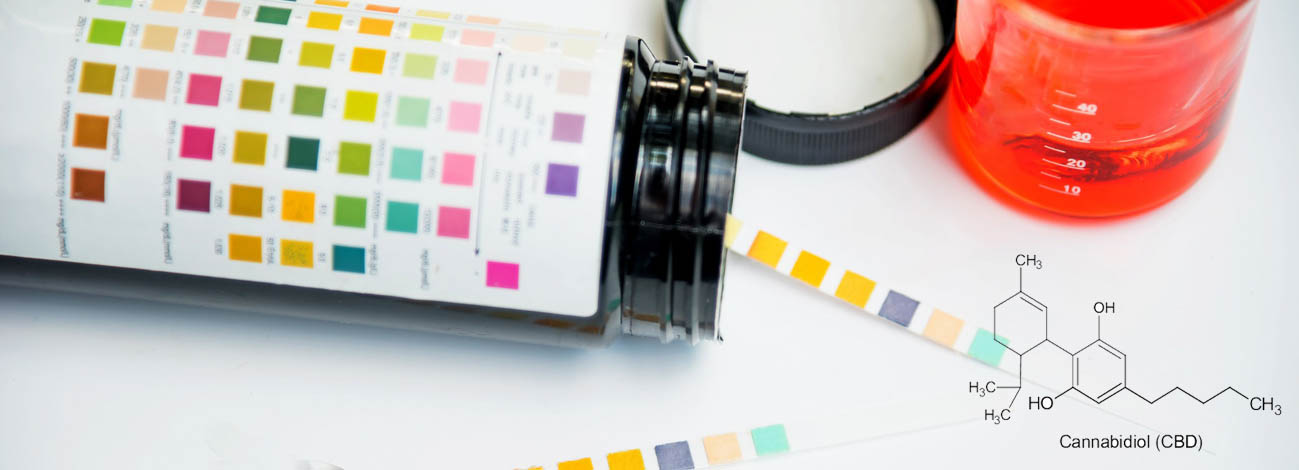
Concerned about CBD and workplace drug testing? It's essential to understand how these tests work and what substances they are designed to detect. A common question is: “Are there drug tests that only detect THC, or can they also identify CBD?” In most cases, the answer is reassuring; standard drug tests do not screen for CBD.
Instead, workplace drug tests typically detect metabolites of THC, the psychoactive compound in cannabis that causes a high. The most common target is THC-COOH, an inactive byproduct that remains in the body after the THC is broken down. This means if your CBD product contains even small traces of THC, there's a possibility it could trigger a positive result, especially if you use it frequently or in large amounts.2
In workplace and professional settings, the most commonly used drug testing methods include:
- Urine tests: These are the most widely used for employment screening. They detect THC metabolites that can remain in the system for days or even weeks in regular users.
- Saliva tests: Less standard in the workplace, but sometimes used for roadside or on-the-spot testing. They detect more recent THC use, typically within 24–72 hours.
- Hair tests: These can detect a more extended history of use (up to 90 days), but they're more expensive and less common for routine employment screening.
- Blood tests: Rare in workplace settings due to their invasiveness and short detection window. Typically used in medical or legal contexts.
Because none of these tests are designed to flag CBD itself, the risk of a positive drug test from CBD depends almost entirely on THC content. That's why understanding your product, whether it's full-spectrum, broad-spectrum, or isolate, is so important.
How long does CBD stay in your system?
CBD can typically remain in your system for 2 to 5 days, but this varies depending on how much you take, how often, and your individual metabolism. For regular or high-dose users, especially those using full-spectrum products, CBD may stay in the body for up to two weeks.
That said, most standard workplace drug tests do not screen for CBD itself, regardless of how long it stays in your system. Instead, they look for THC and its metabolites. Still, if your product contains trace THC, those compounds, not CBD, could be detected, especially in urine or hair tests.
CBD and THC: Understanding the difference
CBD (cannabidiol) is a non-intoxicating compound found in cannabis and hemp. Unlike THC (tetrahydrocannabinol), it won't make you feel high or impair your ability to work or drive. However, both compounds come from the same plant, and this is where the risk of contamination arises.3
Essentially, CBD products fall into three main categories:
- Full-spectrum: Contains all cannabinoids from the hemp plant, including trace amounts of THC
- Broad-spectrum: Contains multiple cannabinoids, but with the THC removed
- CBD isolate: Pure CBD with no other cannabinoids, including THC
Even full-spectrum CBD products that meet legal limits can still contain trace THC. With frequent use, this small amount can accumulate in the body, increasing the risk of a positive drug test, especially with sensitive testing methods.
Can CBD products cause a positive test result?
Can using CBD oil purchased online result in a failed employment drug test? Unfortunately, yes, some CBD products can lead to a positive result, especially if they contain undisclosed or mislabelled levels of THC. While CBD itself doesn't cause a positive test, THC contamination remains a real risk.
Positive drug tests are more likely when someone uses full-spectrum CBD regularly, allowing trace amounts of THC to accumulate in the body. Another common issue is mislabelling; some products can contain more THC than stated, often due to poor manufacturing standards. The risk is higher with products bought from unregulated online sources, where third-party lab testing is often missing or unreliable.
These issues are more common in cheap or imported CBD oils that lack rigorous quality control. Without reliable labelling and transparent testing, even small amounts of THC can go unnoticed, putting users at greater risk during workplace drug testing.
To reduce your risk of a failed test, it's vital to choose reputable brands that offer transparent lab results and clearly state whether their products are THC-free.
Does full-spectrum CBD increase the risk of testing positive for THC on a drug test?
Yes. As mentioned, full-spectrum CBD products contain trace amounts of THC. While this amount is not enough to cause any psychoactive effects or intoxication, it can build up in the body over time, especially with regular or high-dose use.
Even if a product meets legal standards, sensitive drug tests may still detect THC metabolites, particularly in urine samples. This means that using full-spectrum CBD could lead to a positive drug test result, depending on how frequently it’s taken and how sensitive the test is.
If you're subject to routine screening, whether for work, sport or other reasons, broad-spectrum or isolate CBD products may be much safer options, as they are typically free from detectable THC. Always look for verified laboratory reports (COAs) to confirm the contents of your product.
What can I do to avoid a positive drug test when using CBD products?
If you're concerned about avoiding a failed drug test, the safest approach is to be selective about the products you use.
- As discussed, start by choosing CBD isolate or broad-spectrum products that are clearly labelled as THC-free. These options are far less likely to contain trace THC that could trigger a positive result.
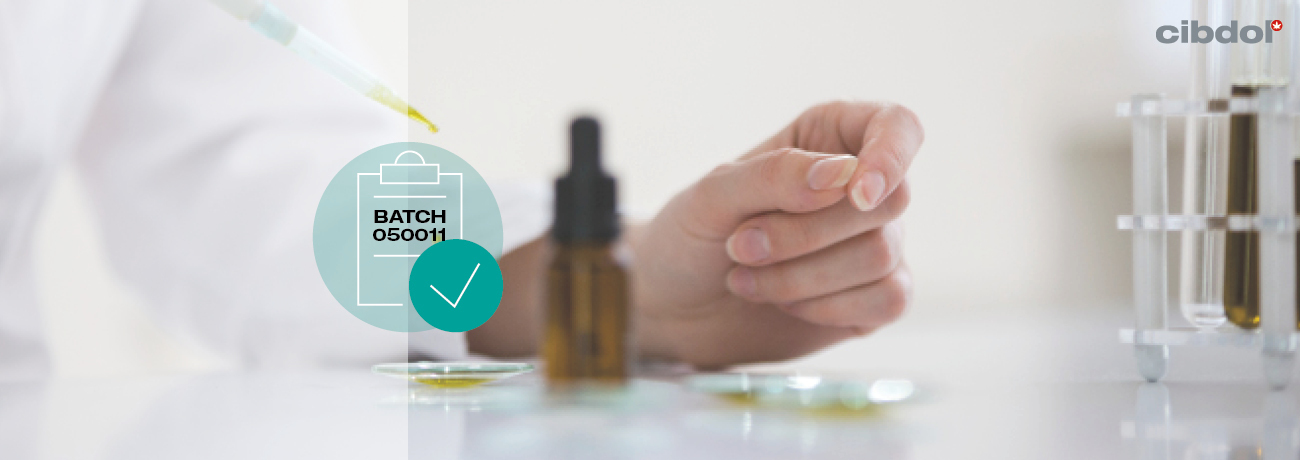
- Always ask for a Certificate of Analysis (COA): a third-party lab report that verifies the cannabinoid content. A reliable COA will confirm the absence of THC, along with the details about CBD levels and product purity. Avoid products that don't offer this transparency.
- When purchasing CBD, stick to reputable brands with clear labelling, strong customer reviews and a proven track record of quality control. Be especially cautious with imported or unverified products sold online, which may not comply with standards for THC-free CBD oil.
A few extra checks now can save you from a failed test later.
Why might some CBD products trigger a failed drug test?
Even when users try to choose carefully, not all CBD products are as pure as they claim to be. In some cases, manufacturing issues or poor quality control are to blame. For example, cross-contamination during production can introduce trace amounts of THC into batches of CBD oil that are meant to be THC-free.
In other cases, products are simply mislabelled, especially in unregulated markets or when brands skip proper testing. Without strict oversight, it's not uncommon for oils or capsules to contain more THC than permitted, putting users at risk, often without them realising.4
This is why independent lab testing matters. A product may look trustworthy on the label, but unless the aforementioned Certificate of Analysis backs it, there's no way to know for sure. The most reliable brands test every batch and make those results easily accessible, giving users more control and peace of mind.
What to do if you fail a drug test
Failing a drug test, especially when you've only used CBD, can be stressful, but it doesn't necessarily mean the end of your job or career. If this happens, it's essential to take the proper steps to explain your situation.
First, you can request a retest or secondary analysis if you believe the result was inaccurate or caused by trace THC in a CBD product. In some cases, further testing may help distinguish between low-level, legally compliant THC exposure and illicit cannabis use.
It also helps to gather proof of your CBD use, including product packaging, receipts, and, most importantly, a Certificate of Analysis (COA) that shows the product's cannabinoid content. This documentation can support your claim that you were not knowingly using THC.
While most workplace drug testing policies focus on illegal drug use, employers may have zero-tolerance rules that still apply if THC is detected, even unintentionally. If you're unsure, consult your HR department or seek legal advice, especially if disciplinary action is being taken against you.
Being proactive and transparent can make a huge difference. Employers are more likely to consider your explanation seriously if you can show you took reasonable steps to avoid exposure to THC.
How to stay safe while using CBD
Is using CBD worth the risk if you're subject to drug testing? For many people, the answer depends on the product type and how carefully you choose it. While CBD itself doesn't cause a positive result, the risk increases dramatically with products that contain even trace amounts of THC.
If you're worried about testing, the safest options are CBD isolate and broad-spectrum products, which are typically free from detectable THC. In contrast, full-spectrum CBD contains small, legal levels of THC, which may still show up on sensitive tests with regular use.
To stay safe:
- Check for a Certificate of Analysis (COA) from a third-party lab
- Avoid unregulated or poorly labelled products, especially from unknown online sources
- Choose brands that clearly state THC content
When used carefully, CBD can still fit into a balanced wellness routine. The key is understanding your risk and choosing the right product to match your lifestyle and testing requirements.
References
- 1. https://www.facebook.com/WebMD. Will CBD Show Up on a Drug Test? WebMD. Published 2023. https://www.webmd.com/cannabinoids/features/cbd-drug-tests/ ↩︎
- 2. Gerace E, Bakanova SP, Di Corcia D, Salomone A, Vincenti M. Determination of cannabinoids in urine, oral fluid and hair samples after repeated intake of CBD-rich cannabis by smoking. Forensic Science International. 2021;318:110561. doi:https://doi.org/10.1016/j.forsciint.2020.110561 ↩︎
- 3. Dahlgren MK, Sagar KA, Lambros AM, Smith RT, Gruber SA. Urinary Tetrahydrocannabinol After 4 Weeks of a Full-Spectrum, High-Cannabidiol Treatment in an Open-label Clinical Trial. JAMA Psychiatry. 2021;78(3):335. doi:https://doi.org/10.1001/jamapsychiatry.2020.3567 ↩︎
- 4. Johnson E, Kilgore M, Babalonis S. Cannabidiol (CBD) product contamination: Quantitative analysis of Δ9-tetrahydrocannabinol (Δ9-THC) concentrations found in commercially available CBD products. Drug and Alcohol Dependence. Published online June 2022:109522. doi:https://doi.org/10.1016/j.drugalcdep.2022.109522 ↩︎