Is CBD a Placebo? Two Questions, Two Kinds of Evidence
Definition
Placebo and nocebo effects are documented as real, measurable phenomena in Colloca's 2020 clinical review [1]. Cannabidiol has also been measured in people: plasma concentrations, timing and elimination were pooled in Millar's 2018 systematic review [2]. The placebo question is really about which of those two a single personal report can tell apart.
2 questions that get asked as one
| The question | What kind of record answers it | Status |
|---|---|---|
| Do people report real changes after taking something with no active ingredient in it? | Colloca's 2020 clinical review sets out placebo and nocebo as measurable phenomena, and specifically not a polite word for nothing [1]. | Documented. |
| Where would such a change come from? | The same 2020 review names two central mechanisms: expectation, and conditioning. An anticipated effect paired with a context, and reported changes follow [1]. | Described. |
| Can it run the other way? | Colloca's 2020 review records negative expectation producing reported negative experiences by the same route [1]. | Both directions. |
| Does the setting matter, or only what was swallowed? | The 2020 review pairs the anticipated effect with the context it happens in, and lists conditioning among the central mechanisms [1]. | Both are named. |
| Does cannabidiol do anything measurable inside a human body? | Millar's 2018 systematic review gathers the human data on plasma concentrations, timing and elimination, sorted by route of administration [2]. | Measured. |
| How much of an oral amount reaches the blood? | Oral bioavailability is a measurement question with measurable answers, and Millar's 2018 review is where the human numbers were pooled [2]. | Measured, and not interchangeable between formats [2]. |
| Do those published numbers come from one standard protocol? | Millar's 2018 review reports wide between-study variability and a shortage of standardised protocols across the work it collected [2]. | An acknowledged gap. |
| Which enzymes break it down? | Jiang's 2011 experiment on human liver microsomes identified the specific cytochrome P450 enzymes responsible for cannabidiol metabolism [3]. | Named. |
| Is this the same pharmacology as THC? | Huestis' 2007 review of human cannabinoid pharmacokinetics describes cannabidiol's pharmacology as different from THC's, receptor level included [4]. | Distinct. |
| Was what I noticed on Tuesday the oil, or what I expected from it? | With no inert comparison arm, a molecule cannot be told apart from anticipation [1]. | Open. |
| Can one personal report settle that by itself? | The function of blinding sits beyond personal experience, which is exactly why a comparison arm exists [1]. | No. |
Expectation, conditioning, and both directions
| Element | What the 2020 review records | What it changes for one person comparing notes |
|---|---|---|
| Placebo effect | Colloca's 2020 clinical review classifies it as real and measurable, and not a polite term for nothing having happened [1]. | A reported change after a first dose is not, on its own, evidence of an active molecule [1]. |
| Nocebo effect | The same review covers the mirror case: negative expectation, followed by reported negative experiences, arriving by the same route [1]. | An uncomfortable first evening carries the same two candidate explanations, in the same order [1]. |
| Expectation | Listed among the central mechanisms. What a person anticipates feeds into what that person later reports [1]. | Everything read about a compound beforehand is part of the setup, not outside it [1]. |
| Conditioning | The second central mechanism named in the 2020 review: an anticipated effect paired with a context, then repeated [1]. | The dropper, the hour, the same chair each night. The pairing is doing work too [1]. |
| Context | The 2020 review attaches the anticipated effect to the situation around it, rather than to a substance alone [1]. | Room, routine and mood are part of what gets written down [1]. |
| One personal report | Not a setup that can separate the two, because there is nothing inert to compare against [1]. | A single arm adds molecule and anticipation together [1]. |
| Two arms, blinded | An inert comparison plus blinding is what puts the mechanisms of the 2020 review on one side and the compound on the other [1]. | The one place where the difference becomes countable [1]. |
| The molecule side of the ledger | Millar's 2018 review measured human plasma concentrations, timing and elimination by route [2]. Jiang's 2011 work named the cytochrome P450 enzymes involved [3]. | Pharmacology gets measured in a lab. Attribution gets measured in a trial [1][2]. |
| How the question is worded | The 2020 review separates the existence of the phenomenon from its size, which is why it is described as measurable rather than assumed [1]. | So "is it placebo" turns out to be two questions wearing one coat [1]. |
What has actually been measured in people
Start with the pharmacology, because that part is not a matter of taste. Millar's 2018 systematic review pulled together the human pharmacokinetic data on cannabidiol: plasma concentrations, how they move over time, and how the compound is eliminated, all sorted by route of administration [2]. Measurable questions with measurable answers. And the review is clear that results from one format do not carry over to another, since pharmacokinetics varied widely by route and by study design [2].
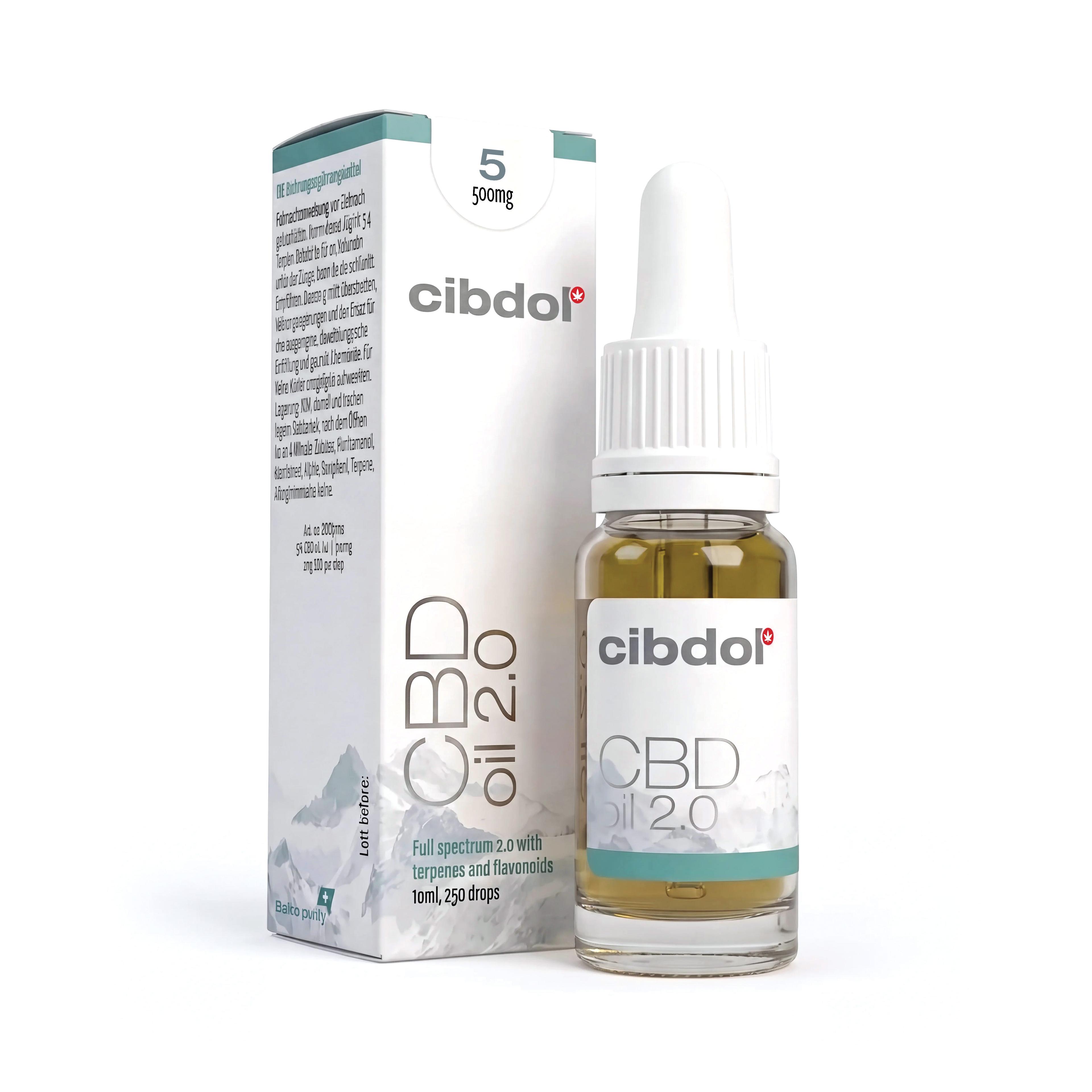
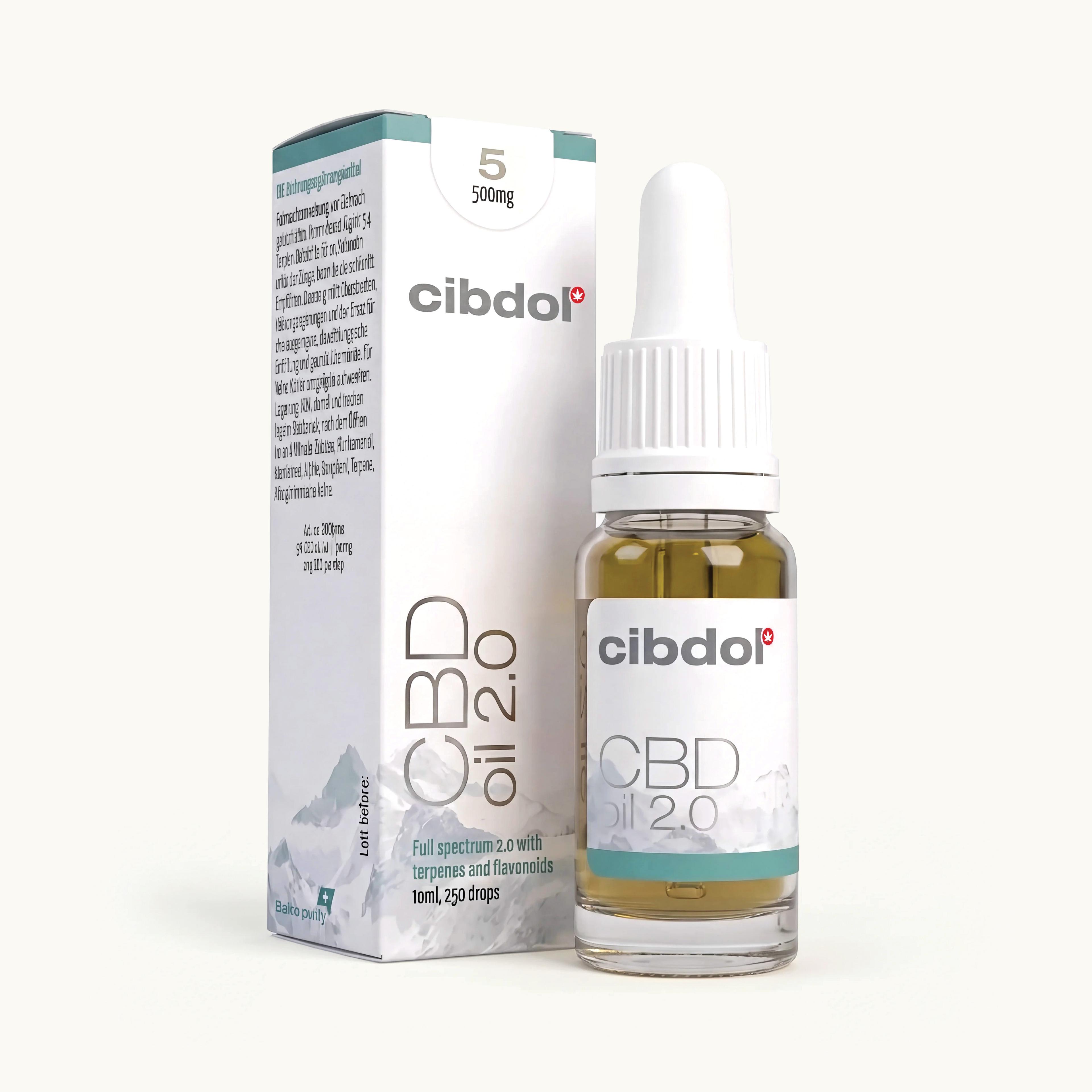
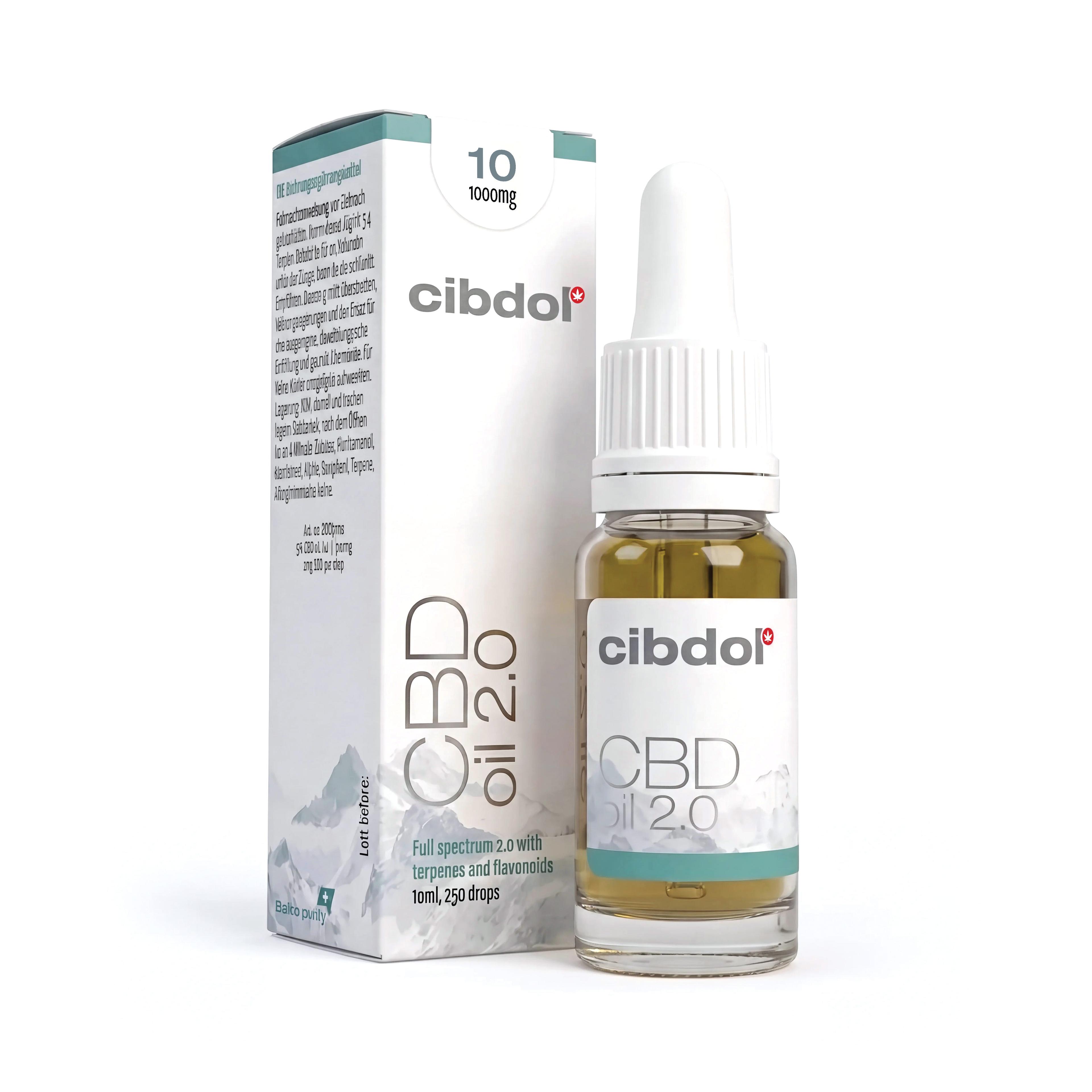
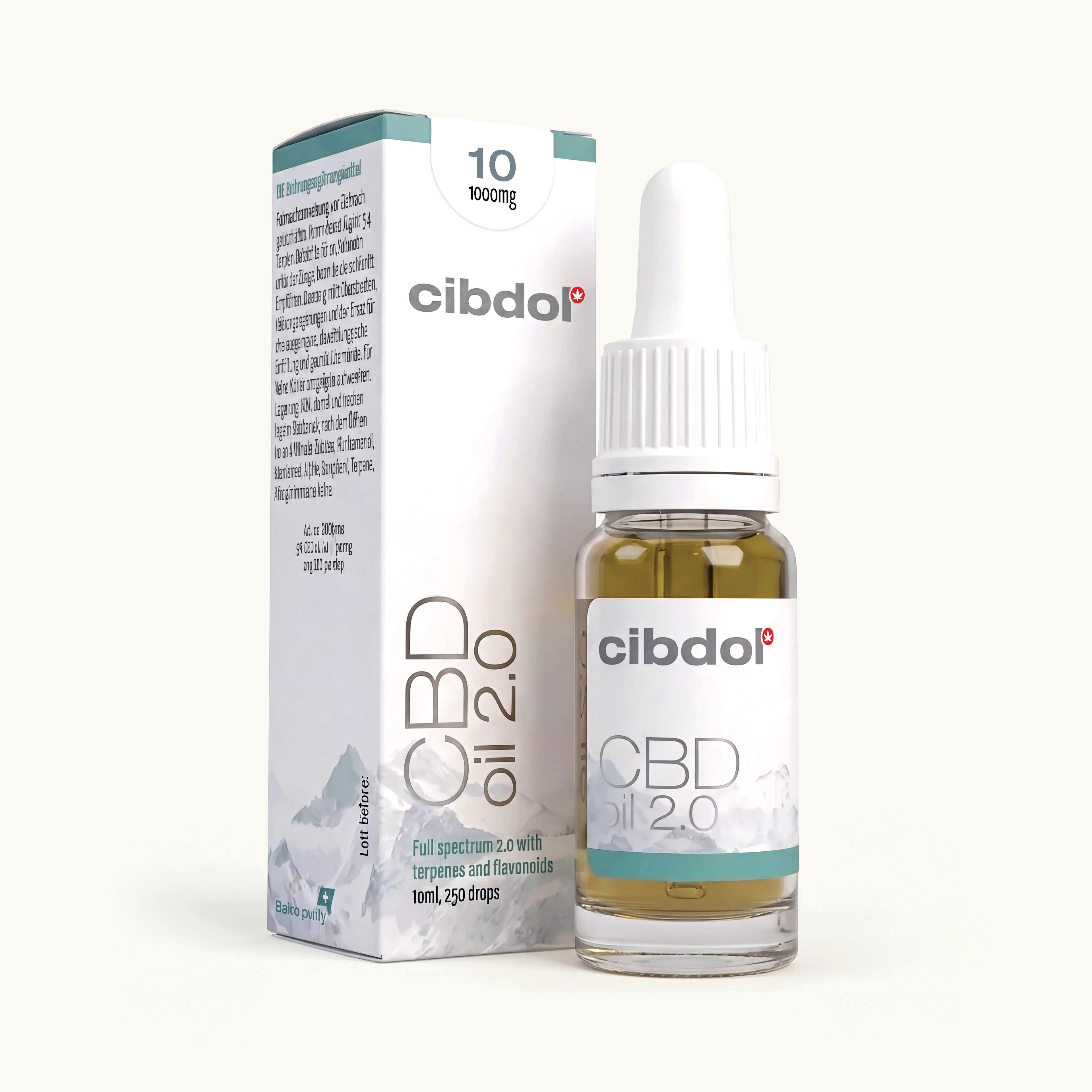
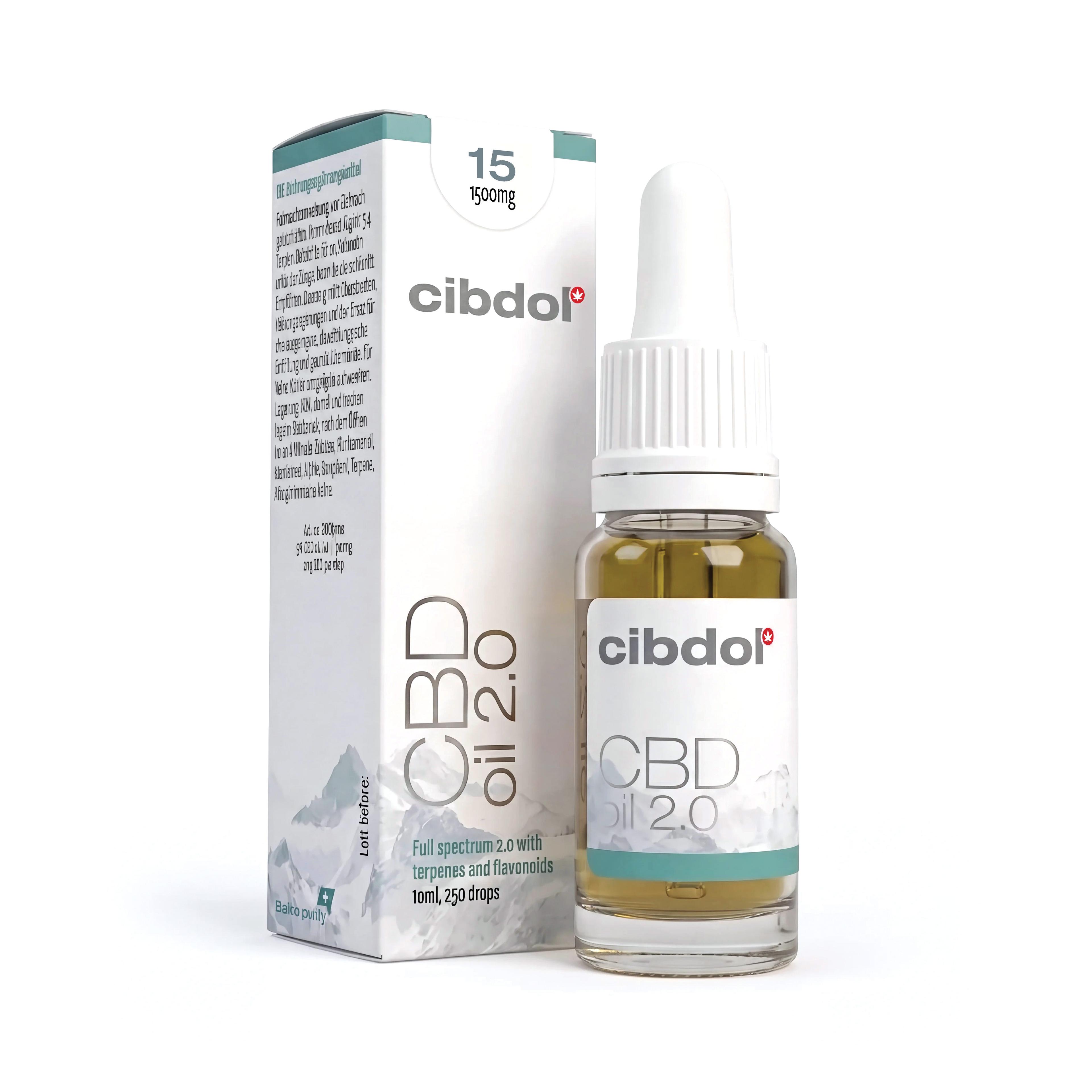
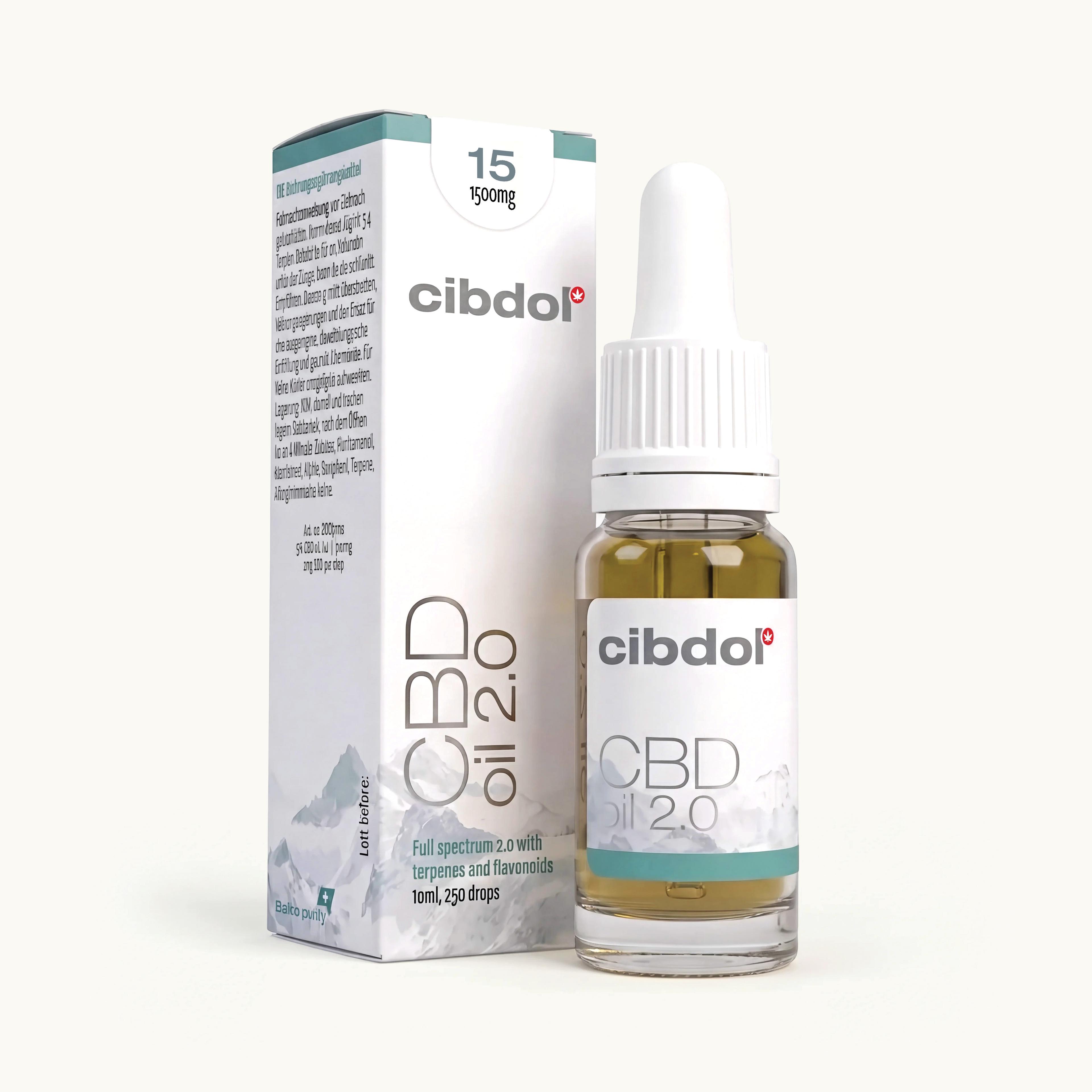
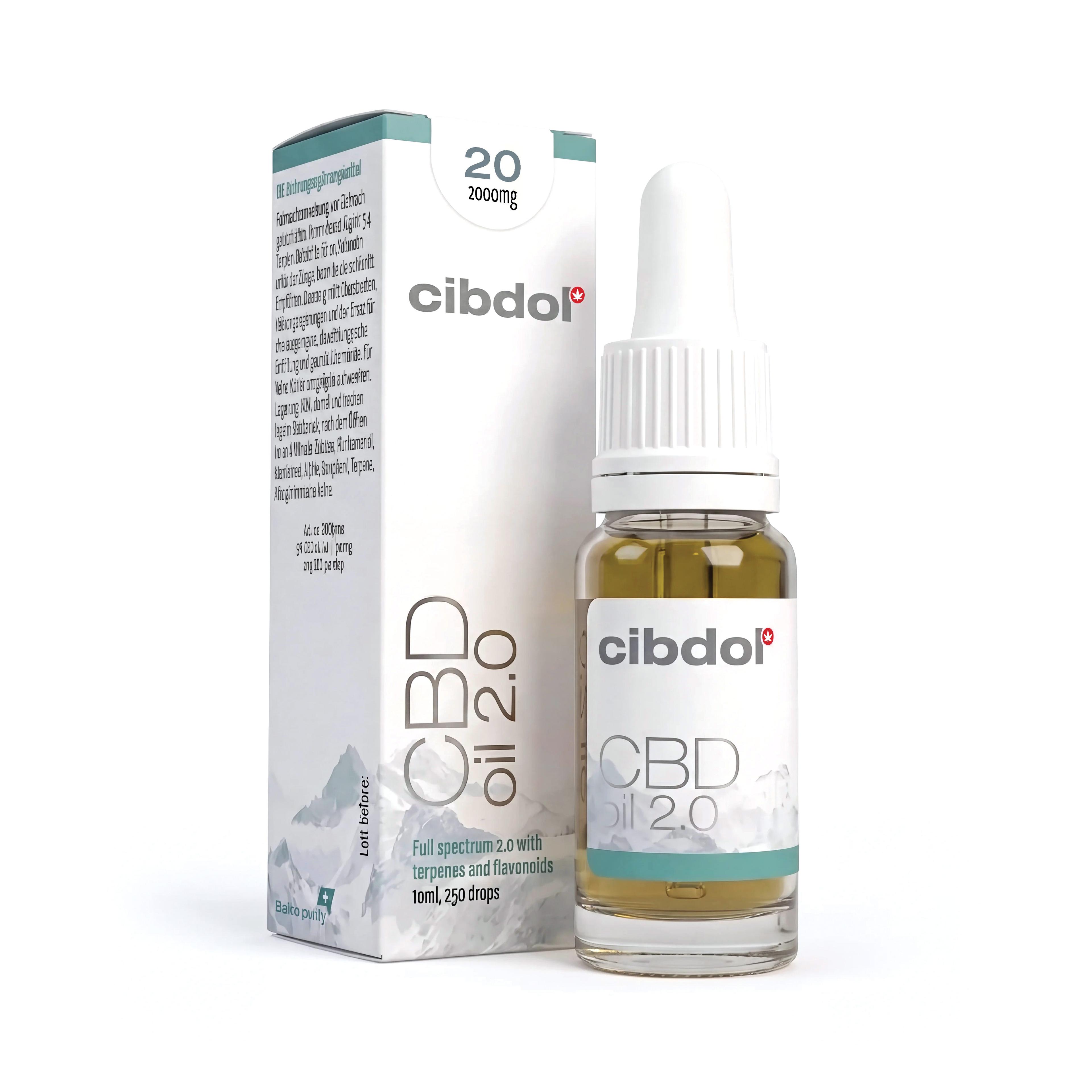
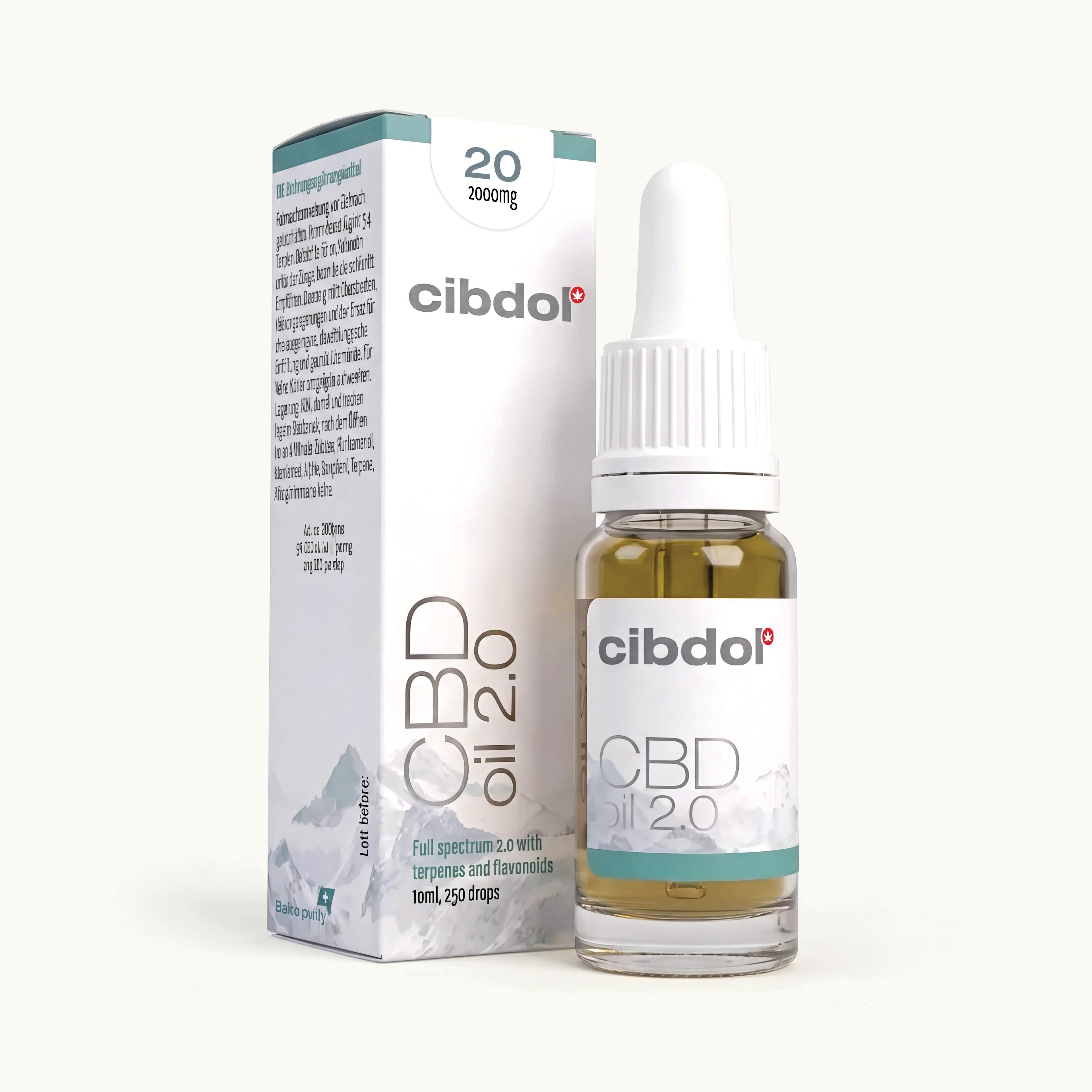
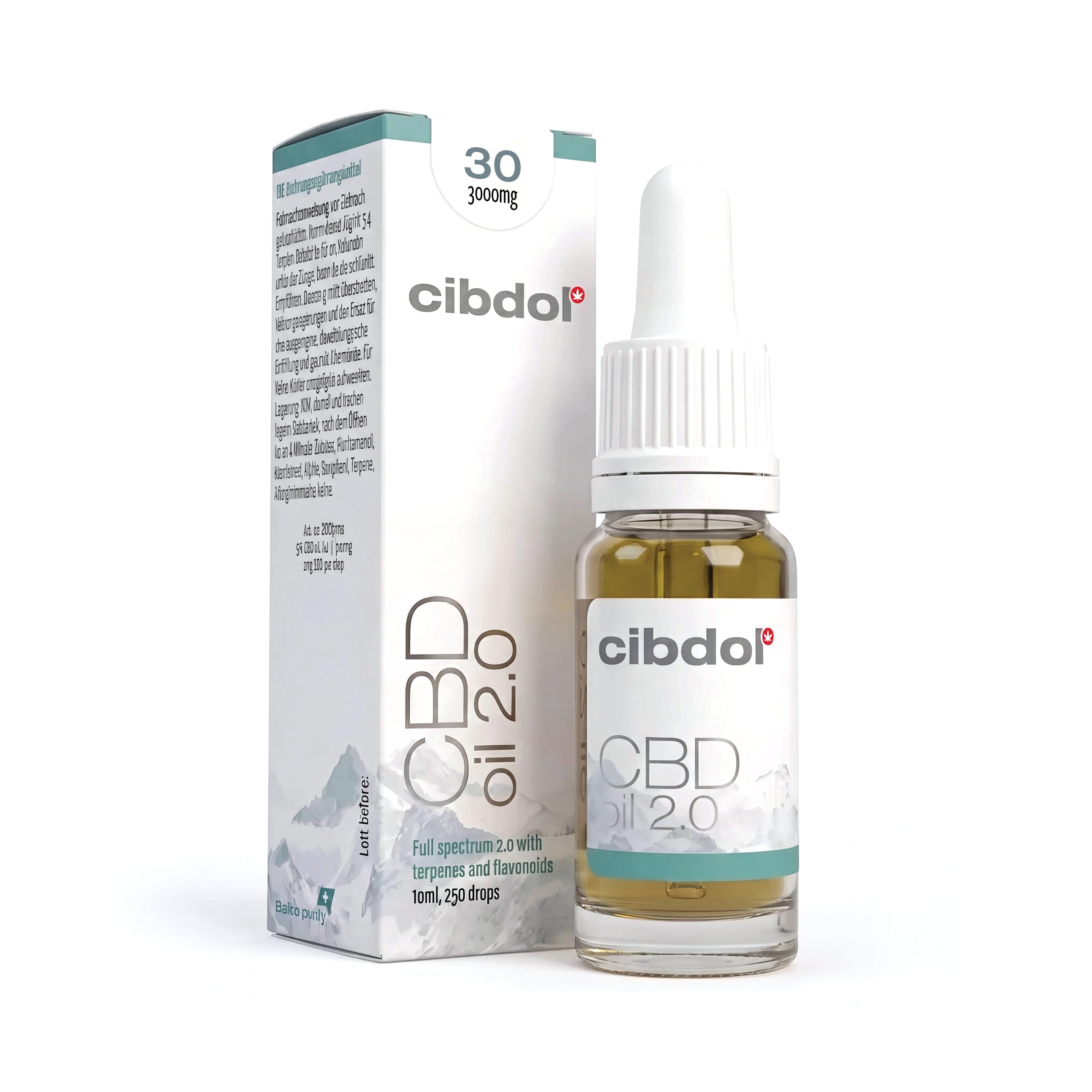
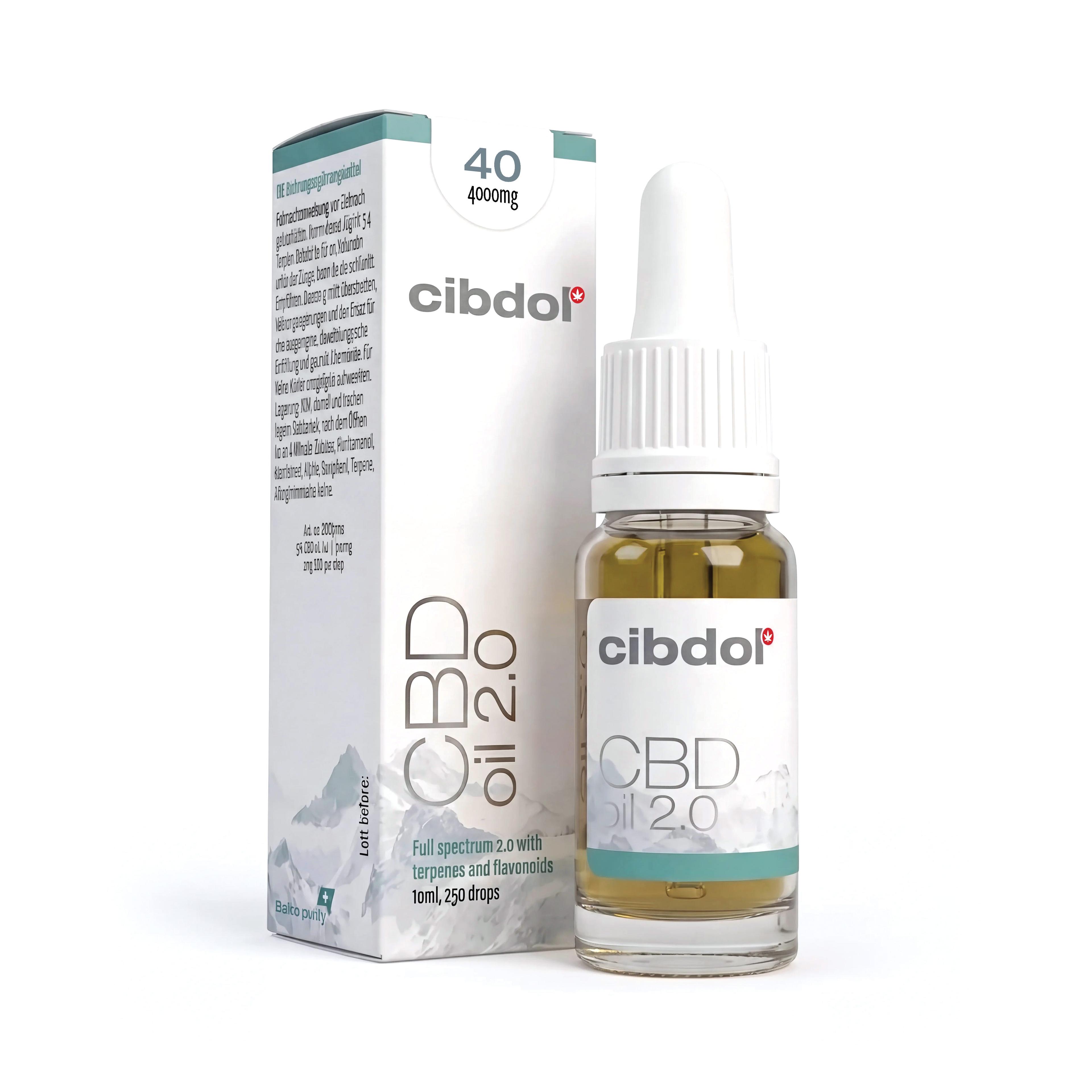
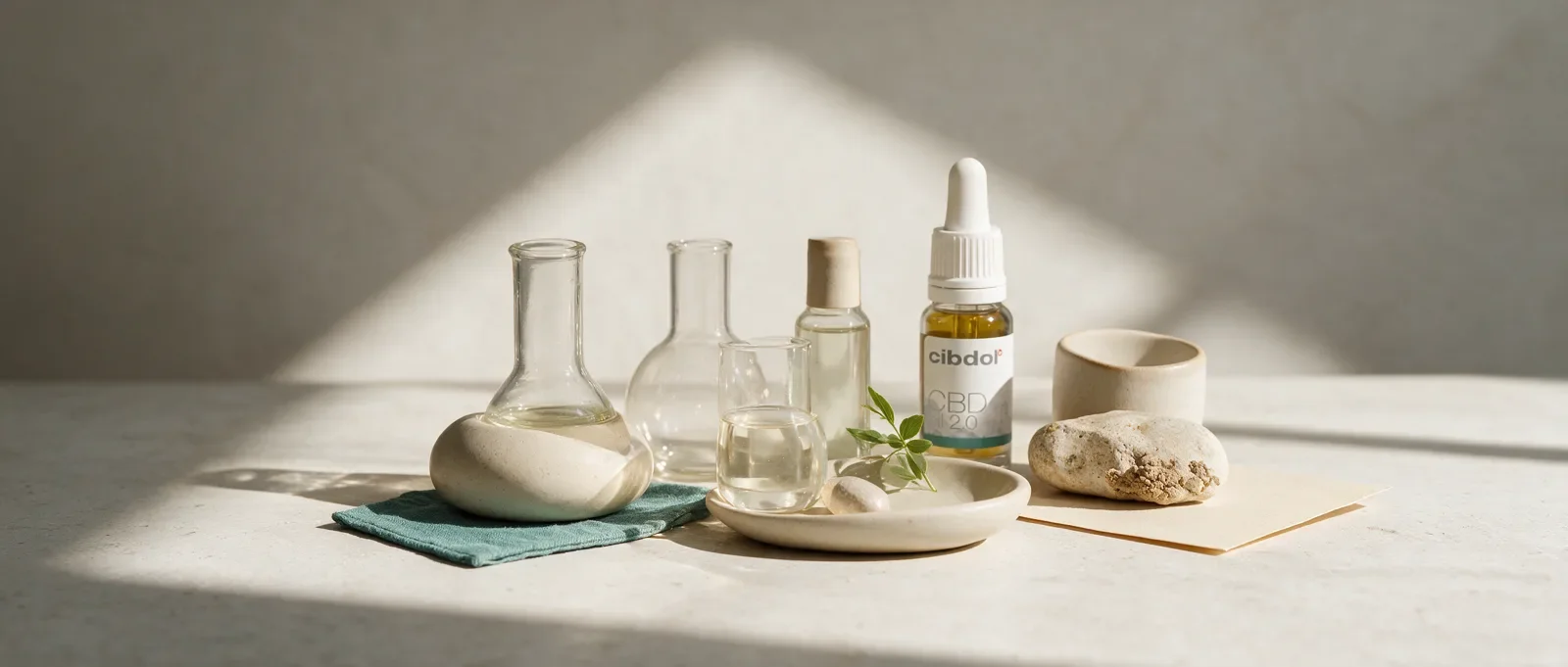
To see the concrete formats, strengths, and bottle sizes available in practice, you can browse the CBD oil category in our shop.
Then the metabolism. Jiang's 2011 experiment used human liver microsomes, a preparation of liver tissue that lets researchers watch enzymes work outside the body, and identified the specific cytochrome P450 enzymes responsible for cannabidiol metabolism [3]. Enzymes with names. Not a guess about whether anything happens at all.
Then the comparison with THC. Huestis' 2007 review of human cannabinoid pharmacokinetics describes cannabidiol's pharmacology as different from THC's, receptor level included [4]. Two cannabinoids from one plant, two separate profiles in the literature.
Put the three together and one conclusion is available. Cannabidiol has characterised human pharmacokinetics [2], identified metabolising enzymes [3], and receptor pharmacology of its own [4]. Whether a particular reported change in a particular person came from that molecule is a different question, and Colloca's 2020 review is the paper that explains why [1].
Wide variability is not the same as inert
Millar's 2018 review did not describe a tidy field. Its own findings include wide between-study variability and a shortage of standardised protocols [2]. Worth reading slowly. Variability in published figures is a statement about study design, formats and dosing, not a statement that nothing was measured [2]. That same review is where the human measurements sit.
What a blinded comparison keeps apart
The arm with nothing active in it
A blinded placebo-controlled trial has one structural feature no personal routine can copy: a group receiving an inert comparison, with nobody in the room knowing who received what. Expectation and conditioning are described in Colloca's 2020 review as central mechanisms behind reported change [1], and they run whichever bottle a person happens to be holding. Two conditions, side by side, counted. That is the design.
Which is why the question changes shape depending on how it is put. Did this compound differ from an inert comparison, in a blinded trial, across a group? A trial can fill that in [1]. One person, one bottle, one evening, no comparison. Nothing in that setup separates the molecule from the anticipation around it [1].
What the batch report answers, and what it doesn't
We have been working with cannabinoids since 2014, and independent batch analysis has been part of the standard the whole time. A certificate is precise about one thing: which cannabinoids are in the bottle, and in what quantity. It confirms content. It does not comment on mechanism in one person on one Tuesday, because separating a compound from anticipation needs the comparison arm described in the 2020 placebo literature [1].
So: two documents, two jobs. The lab report covers the bottle. The published literature covers the pharmacology, with human plasma concentrations and timing [2], named metabolising enzymes [3], and receptor pharmacology distinct from THC [4]. Neither one settles a single evening. Anyone selling certainty on that point is selling something the papers do not contain.
Frequently Asked Questions
4 questionsDoes a strong personal reaction prove that CBD isn't a placebo?
What does nocebo mean in this context?
Why do published CBD blood concentrations differ so much between studies?
Which enzymes handle cannabidiol in the body?
About this article


Luke Sholl has been writing about cannabinoids, CBD, and the broader benefits of nature since 2011. His background includes first-hand cannabis cultivation experience spanning the full seed-to-harvest lifecycle across so
This wiki article was drafted with AI assistance and reviewed by Luke Sholl, CBD & wellness writer. Editorial oversight by Joshua Askew.
Medical disclaimer. This content is for informational purposes only and does not constitute medical advice. Consult a qualified healthcare provider before use of any substance.
Last reviewed 27 серпня 2026 р.
References (4)
- [1]Colloca, L. and Barsky, A.J. (2020). Placebo and Nocebo Effects. DOI: https://doi.org/10.1056/NEJMra1907805
- [2]Millar, S.A. et al. (2018). A Systematic Review on the Pharmacokinetics of Cannabidiol in Humans. DOI: https://doi.org/10.3389/fphar.2018.01365
- [3]Jiang, R. et al. (2011). Identification of cytochrome P450 enzymes responsible for metabolism of cannabidiol by human liver microsomes. DOI: https://doi.org/10.1016/j.lfs.2011.05.018
- [4]Huestis, M.A. (2007). Human Cannabinoid Pharmacokinetics. DOI: https://doi.org/10.1002/cbdv.200790152
Related Articles

Can You Be Allergic to CBD? Two Papers, One Protein
Two published papers characterise a cannabis plant protein called Can s 3 as an allergen. Here is what they cover, what they leave open, and where the carrier oil and softgel shell fit in.
CBD and Ibuprofen: One Shared Liver Enzyme
Ibuprofen depends on a single liver enzyme, and cannabidiol has been described as an inhibitor of it. Here is what the 2011 and 2019 research documented, and where the record simply stops.
CBD That Mixes Into Water: The Actual Chemistry
The phrase exists because of one physical fact: cannabidiol and water do not mix on their own. Here is what emulsions and liposomes actually are, and where the published human measurements stop.
CBD Oil or Gummies: Where the Amount Gets Decided
The pipette leaves the counting to you; the gummy carton arrives with the number already on it. Here is what the published human data covers, and where it stops.

One Gummy, 25 mg, and What the Studies Measured
25 mg per gummy, ten in a pack, THC-free printed on the box. What happens after chewing is the part human trials are still measuring [1].
Travelling With CBD: Check Three Countries First
A country-by-country permission list for CBD is wrong by design. Here is the checking order instead: three countries per ticket, the airline's own conditions, and a clear rule for unresolved cases.
What Is A CBD Tincture? The Word And The Bottle
Tincture once described a method: extraction with alcohol. Here is how the word travelled to CBD dropper bottles, and what the ingredient list settles that the front label does not.
Combining CBD Products: Counting The Day's Milligrams
An oil in the morning and a capsule at night belong to the same daily figure, counted in milligrams. Here is how that arithmetic works, what the human pharmacokinetic literature covers, and why a topical sits in a column of its own.

Ways To Take CBD, Route By Route
A pipette bottle, a capsule and a chewable piece are not three sizes of the same thing. They sit on different routes, and published human reviews keep those routes in separate columns.
