CBD and Tiredness: What the Research Actually Records
Definition
Tiredness shows up in the published clinical literature on cannabidiol as a reported side effect, not as a promised one. What the reviews record is narrow: participants in defined studies, at defined amounts, under defined conditions. The mechanism, the amount at which it starts, and how often it happens outside a trial are all still open questions.
Two documents, one word: tiredness
- A product label and a clinical record are different kinds of paper. One describes what is in a bottle. The other notes what people reported while researchers were writing it down, and only the second one belongs in an answer about tiredness.
- The 2017 review by Iffland and Grotenhermen [1] pulled together clinical data on cannabidiol. Tiredness sits in that review among the side effects listed.
- What the entry covers is the entry. It records that tiredness appeared in the clinical material reviewed, and that only. No ranking, no likelihood, no promise. The 2017 paper is a review, which means it summarises published clinical work rather than running a new trial of its own.
- Mechanism: none given. The review doesn't say how tiredness would come about, or which systems in the body would be involved.
- Onset amount: none given. There is no figure in the review for the quantity at which reports of tiredness begin.
- Frequency outside study conditions: none given. How often tiredness turns up in ordinary use, away from a protocol, is not something the review measures.
- A recorded side effect has a fixed shape: a defined study population, a defined amount, defined conditions, and participant reports written down by investigators. Change any one of those four and the entry stops describing the same situation.
- So the honest short answer stays narrow. Tiredness has been reported by some people in some studies. That is a long way from a rule about you, your evening, or your bottle.
From a trial protocol to a pipette
- Millar and colleagues published a systematic review in 2018 [2] on how cannabidiol behaves in the human body, including how much of it turns up in the blood and how much those measurements move around.
- The main finding was variability. Across the studies gathered, the measured behaviour of the compound differed widely, and the review says so directly rather than averaging the spread away.
- Two factors shaped the blood concentrations that were measured: the dose, and the route of administration. Route means the way it went in, swallowed or inhaled or otherwise.
- First consequence: a measurement from one study is tied to that study's dose and route. It does not travel to a different setup with its meaning intact.
- Second consequence: the amounts used in clinical studies are far above the amounts printed on consumer labels. There is no direct mapping from a study report to a bottle in a bathroom cabinet.
- The variables that shift between studies are easy to list: populations, amounts, durations, comparison groups. Four moving parts, none of them held steady across the literature.
- Which is why no frequency figure exists for everyday contexts. Not a low one, not a high one. The number was never measured there, so quoting one would be invention.
- Read a side-effect entry as an observation, then. Something happened often enough that investigators wrote it down. Whether it happens to you, at your amount, by your route, is outside what these papers answer.
The other molecule in the plant
Cannabinoid pharmacokinetics, as reviewed in 2007
Huestis published a review in 2007 [3] on how cannabinoids move through the human body: absorption, distribution, elimination. Pharmacokinetics is just the technical term for that sequence, what the body does with a substance once it arrives, moves it around, and clears it out. THC has its own account in that review, and alongside the pharmacokinetic detail, sedative-type effects are documented for that molecule.
That is a separate record from the side-effect listing gathered in 2017 [1]. Different molecule, different paper, different question. Both are in the literature; neither one was written to explain the other.
Two records next to each other
Adjacency is not a connection. Tiredness reported by some cannabidiol study participants, and documented sedative-type effects of THC, are two facts that happen to sit near each other on the shelf. Printing them in the same paragraph does not turn one into the cause of the other. None of the cited work draws that arrow, so we don't draw it either.
Full-spectrum means an extract that keeps the plant's broader cannabinoid profile rather than isolating a single compound. Our full-spectrum oils are produced and sold within the legal limits, and they are non-intoxicating. If you would rather have no THC in the formula, broad-spectrum is the other format on the shelf. That is a specification, not a suggestion about how you should feel.
What the three papers leave open
Three lines can be stated from the published literature without stretching any of them. Tiredness was reported by some participants in the clinical data reviewed in 2017 [1]. Exposure to cannabidiol depends on the amount and the route, with wide variability between studies [2]. THC carries its own documented profile, written up separately [3]. Three statements, three sources, no bridge welded between them.
What stays open is the more useful part. Nobody has published the mechanism. Nobody has published the amount at which reports of tiredness begin. Nobody has published how often it happens at home, on a weekday evening, with a consumer label in hand. When the evidence changes, this page changes. Until then, "not established yet" is the accurate line, and it is a sturdier one than a confident guess.
Worth writing down before a doctor's appointment
If you take prescription medication, or you are managing an existing condition, that conversation belongs with your doctor rather than with a search box. A few details make it a shorter conversation: the product name, the cannabinoid content in milligrams, how you take it, at what time of day, and for how long. Bring the batch analysis if you have it to hand. General guidance is all we offer here: start low, go slow, change one thing at a time.
What a bottle can tell you
Milligrams before adjectives
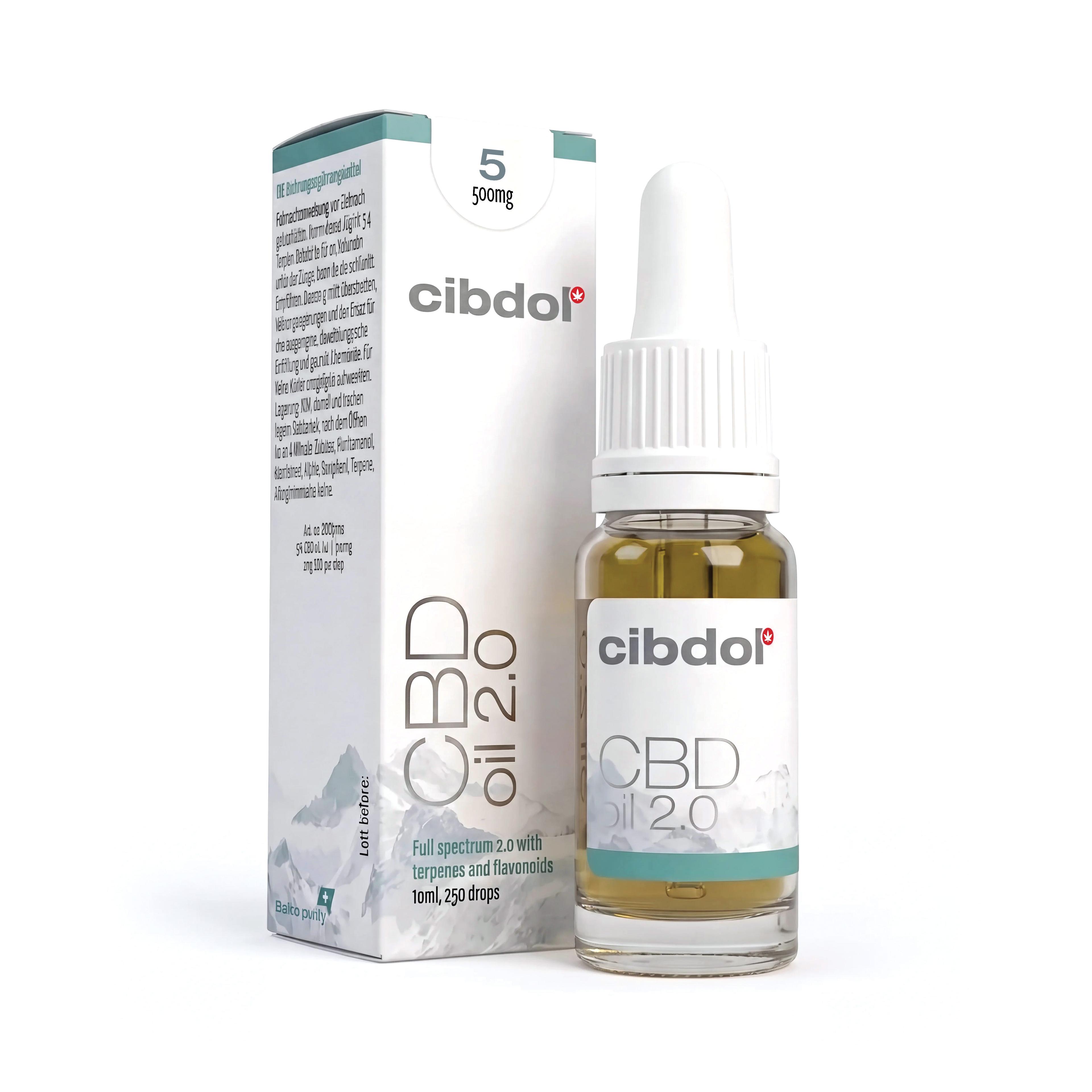
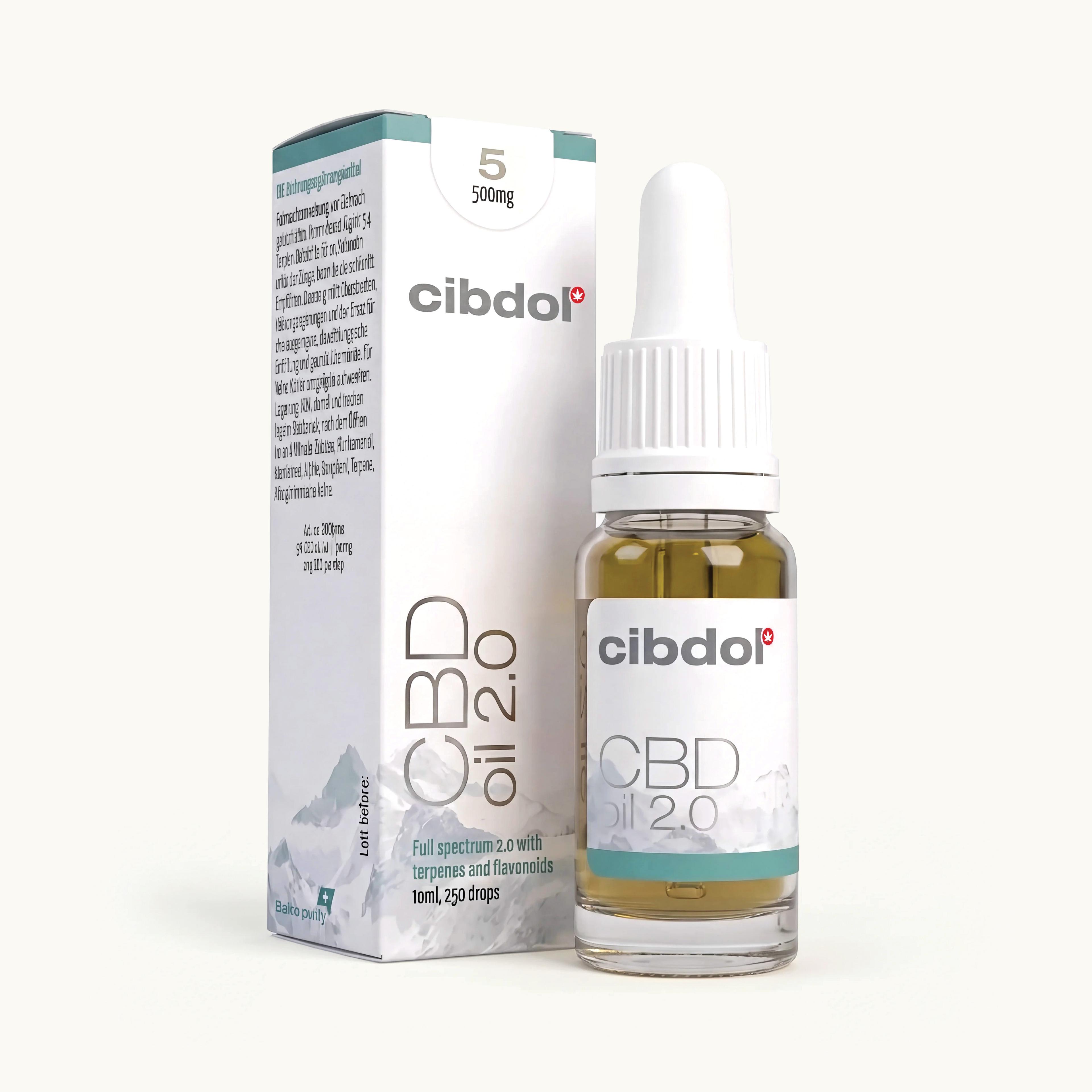
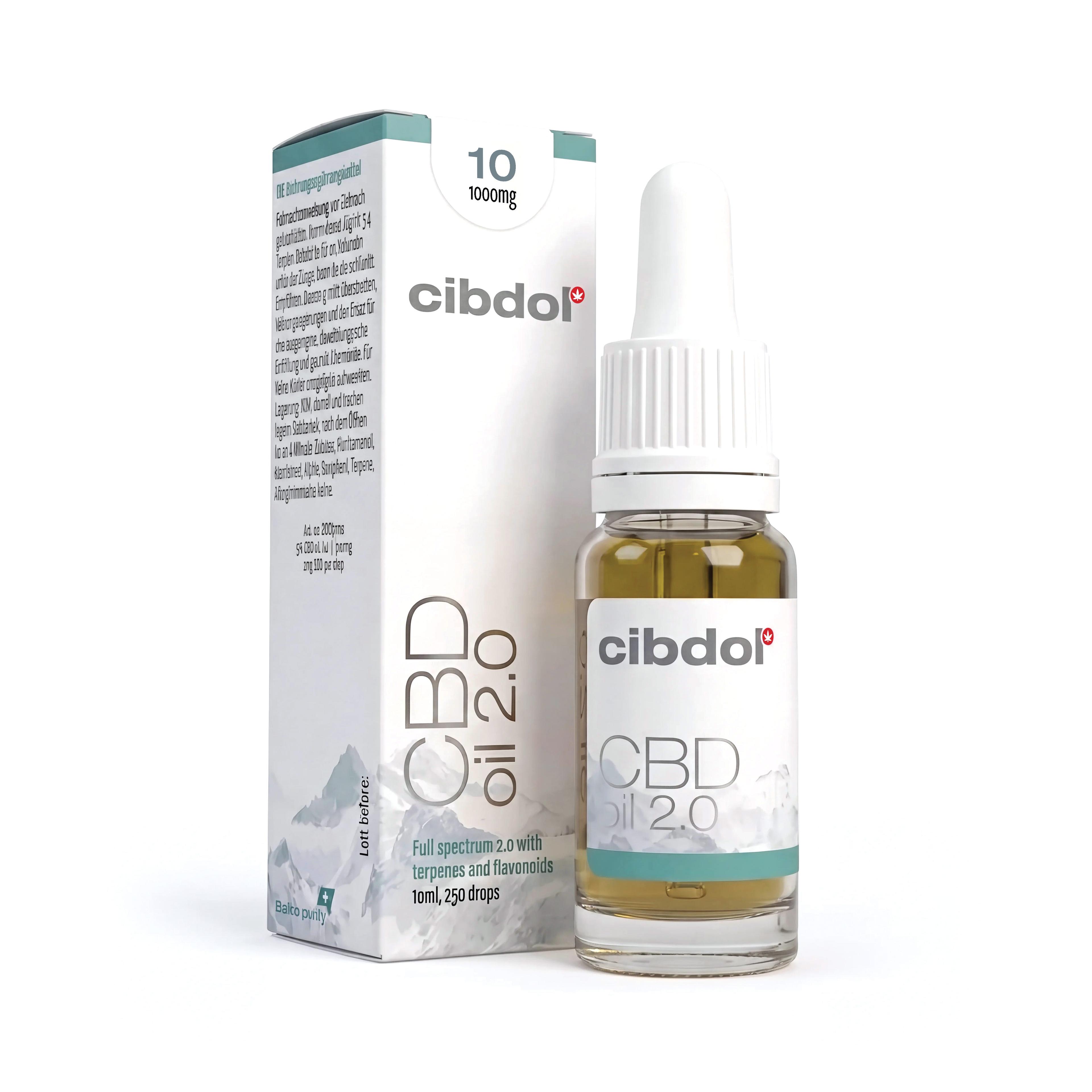
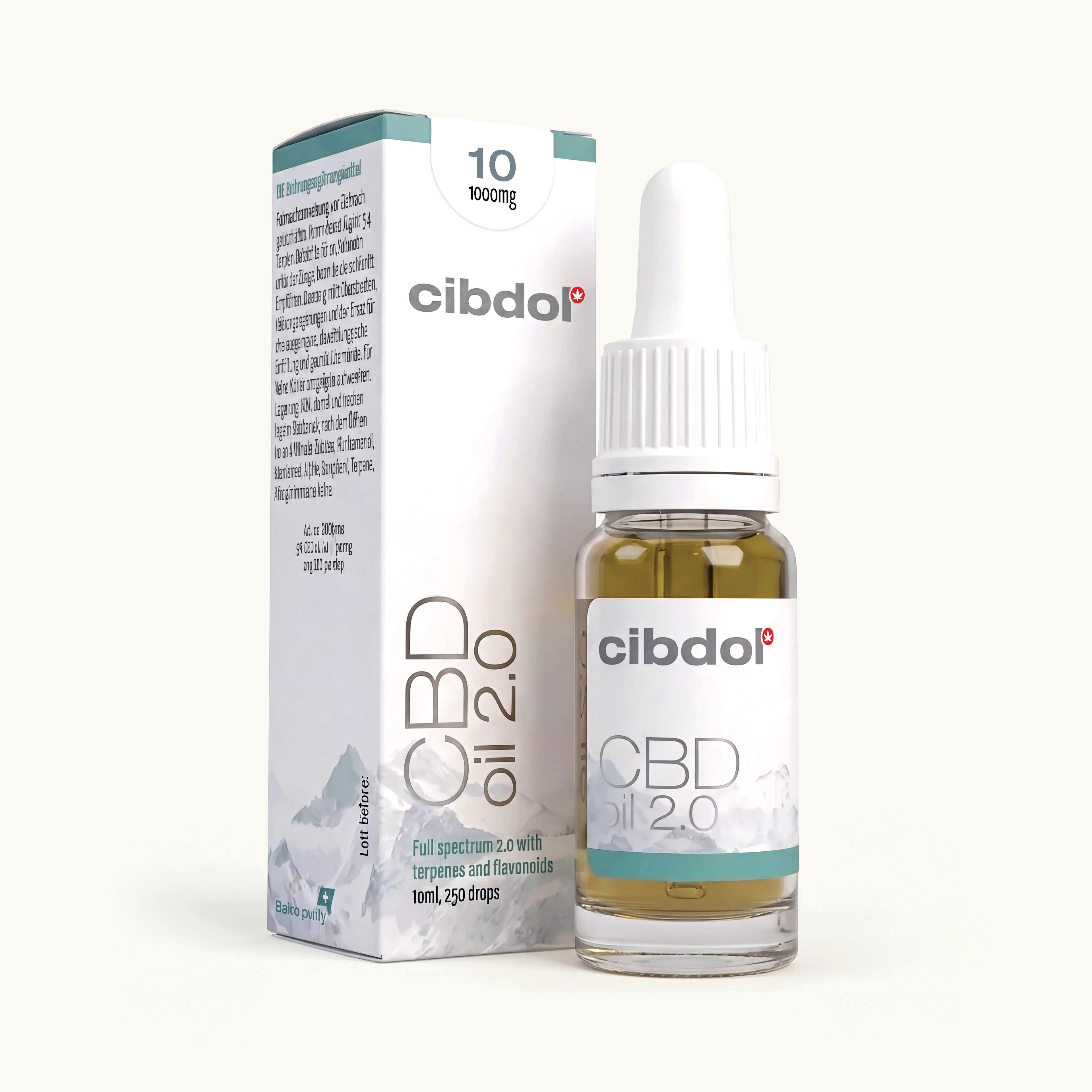
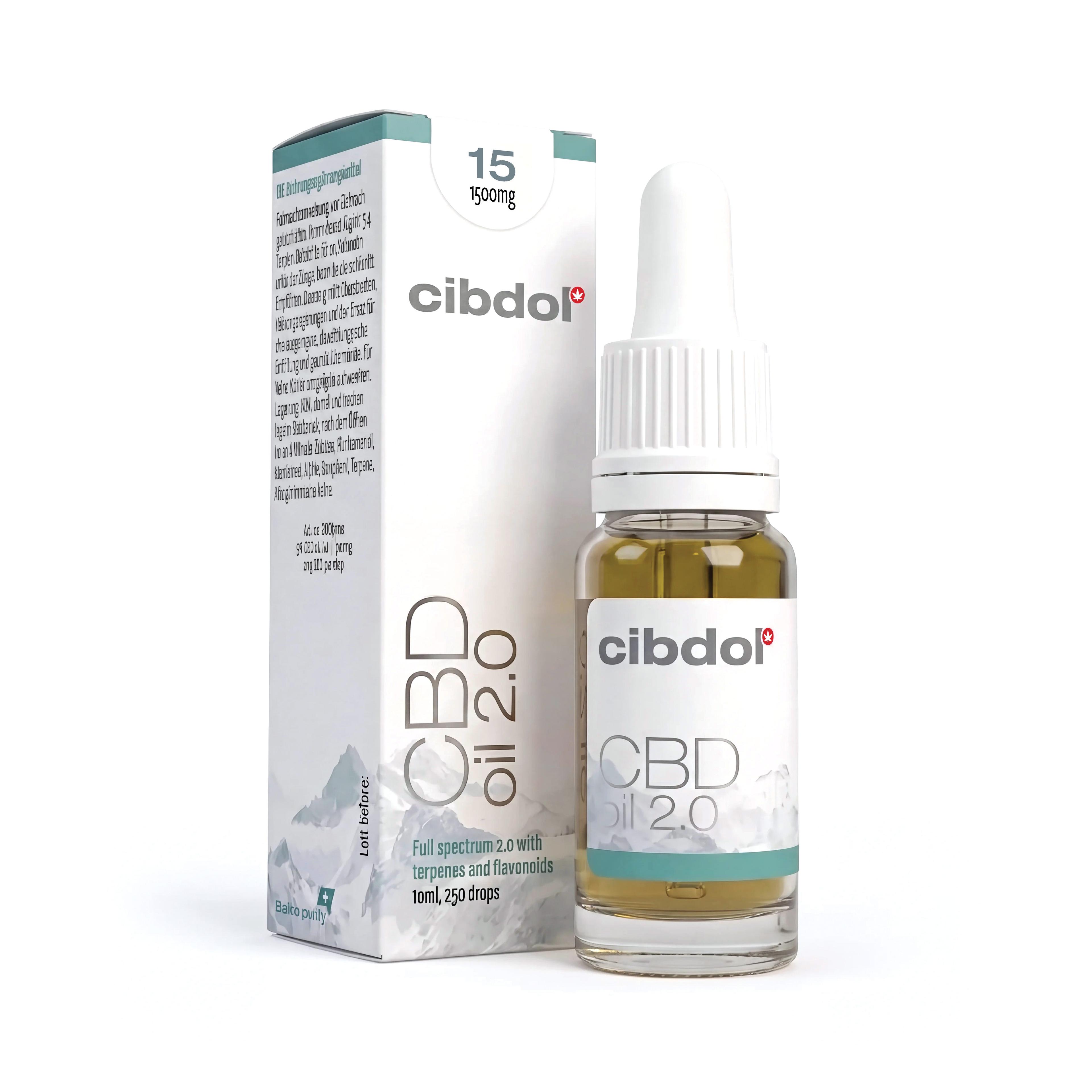
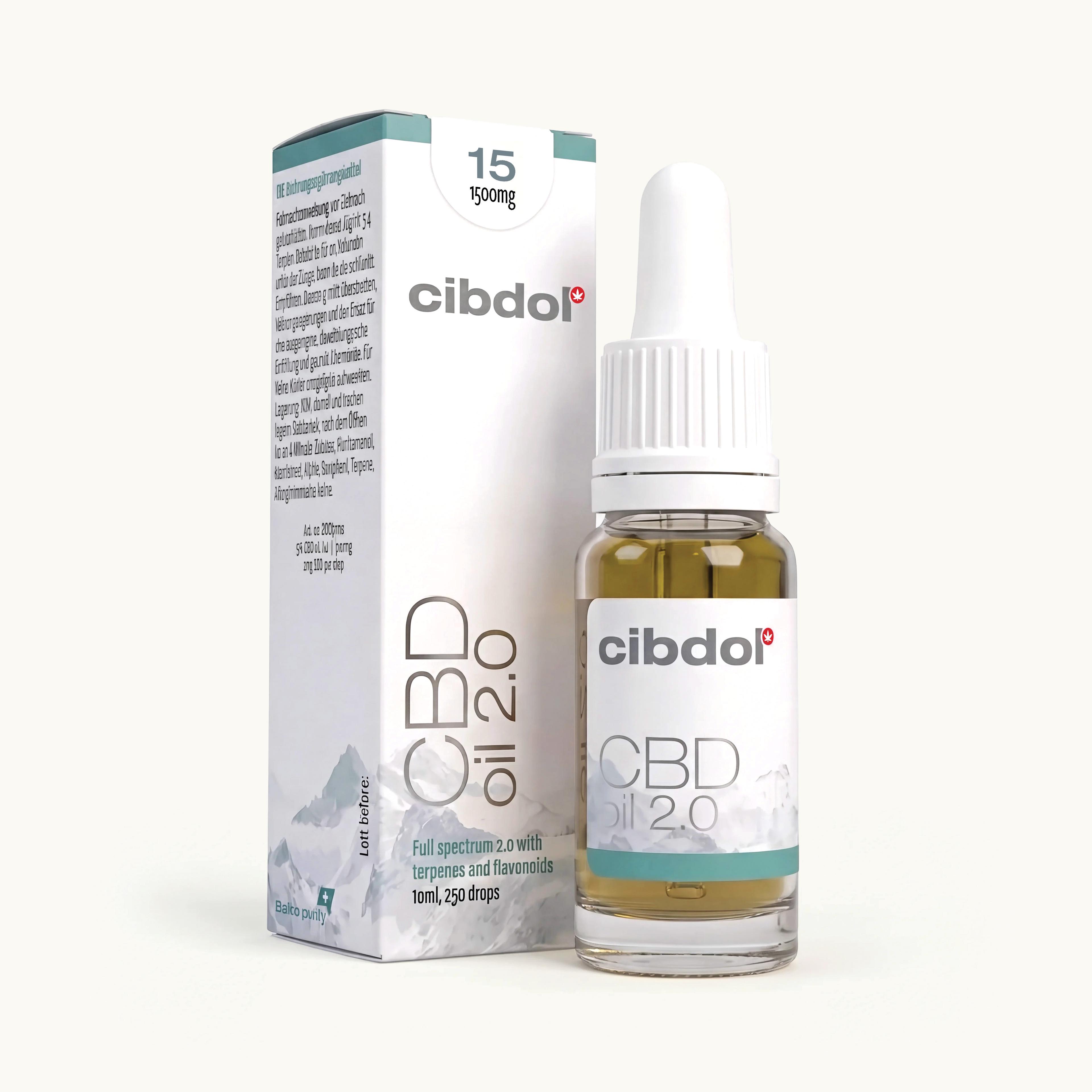
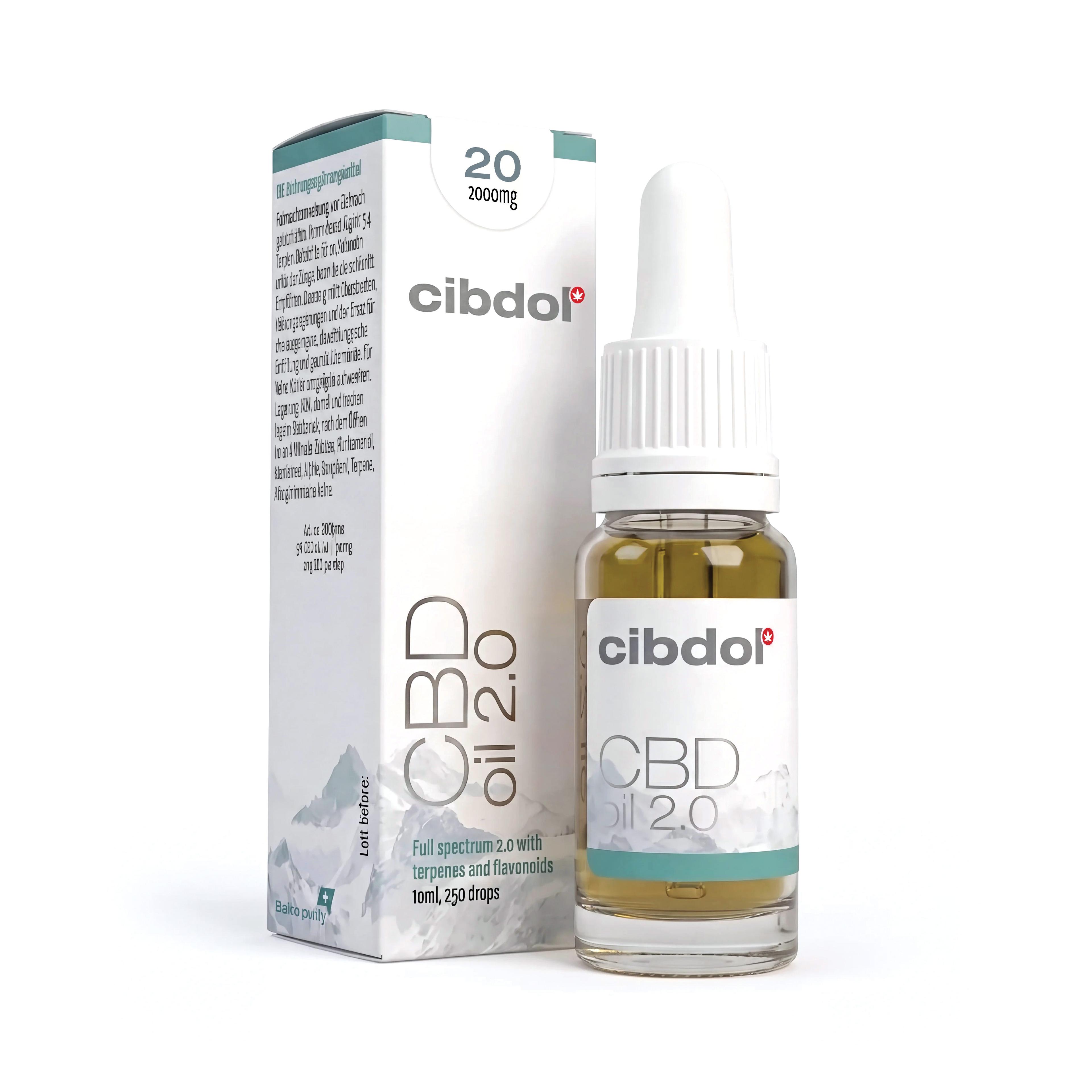
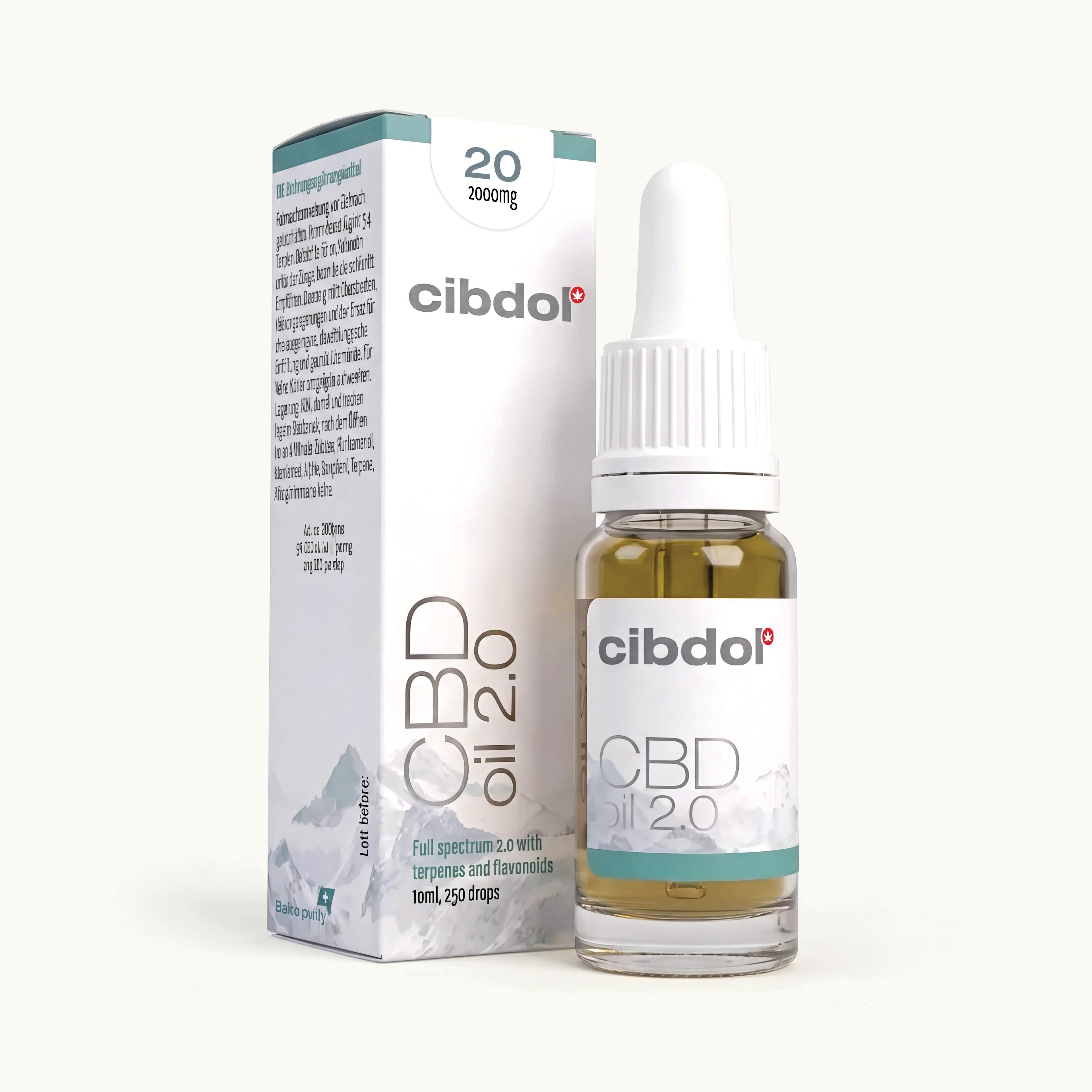
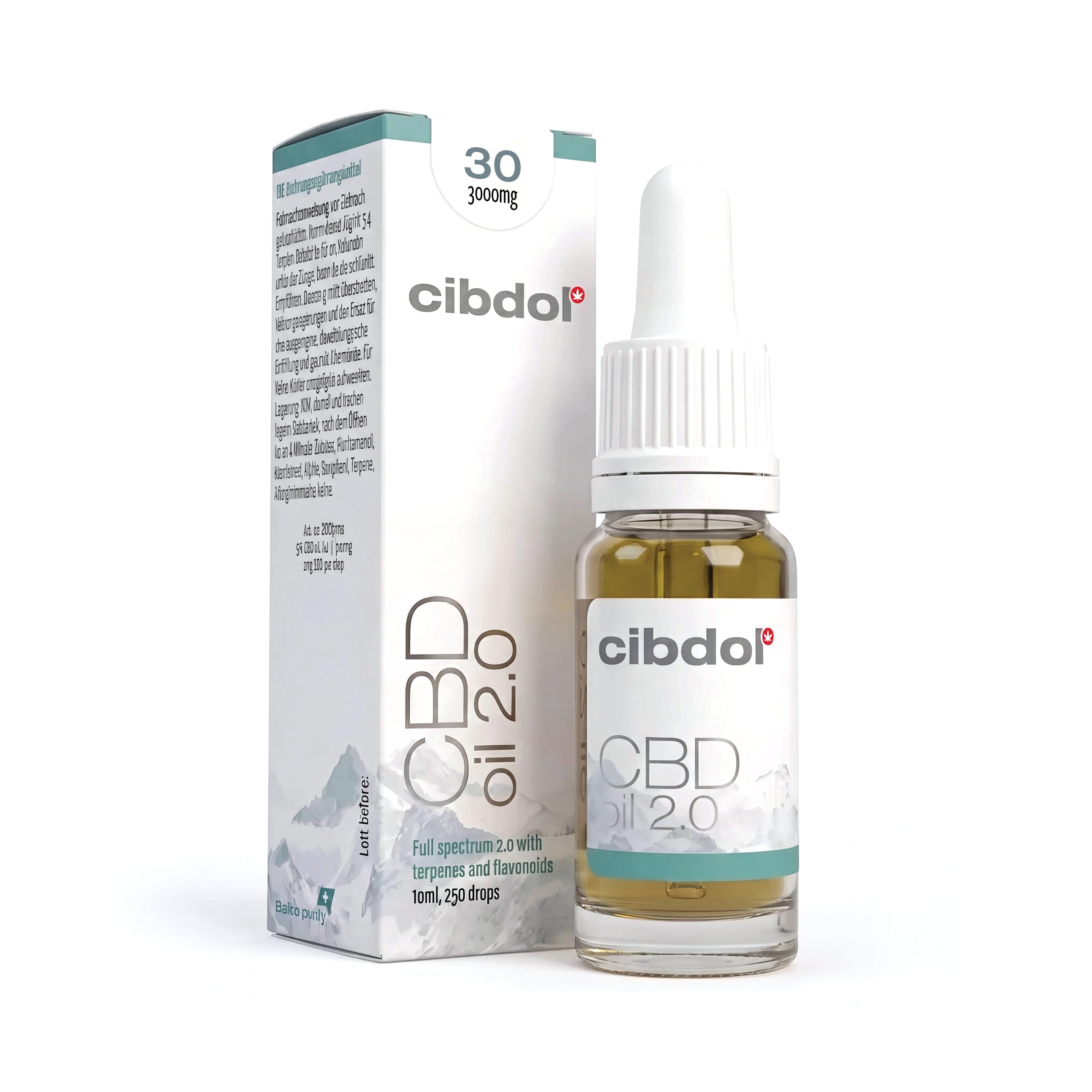
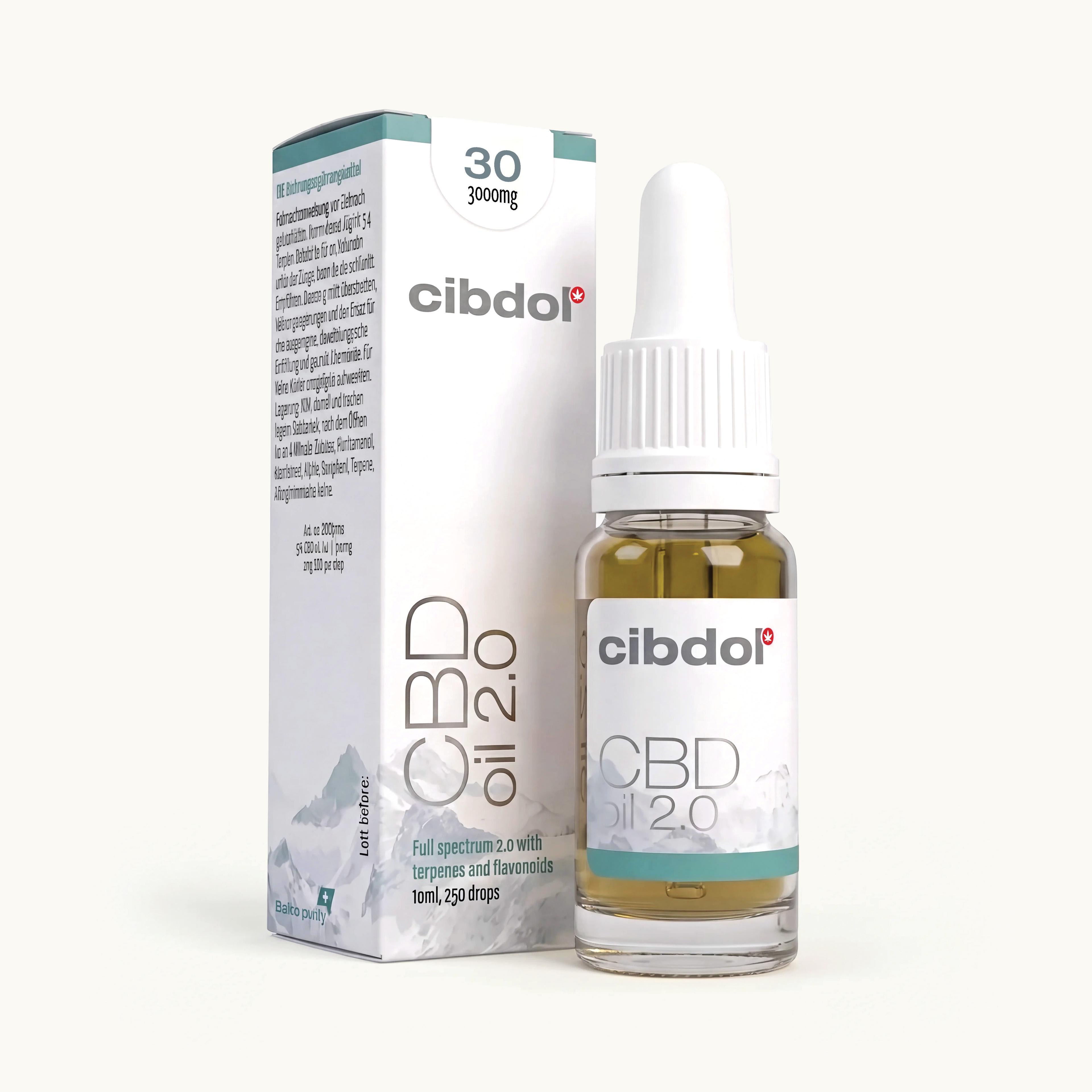
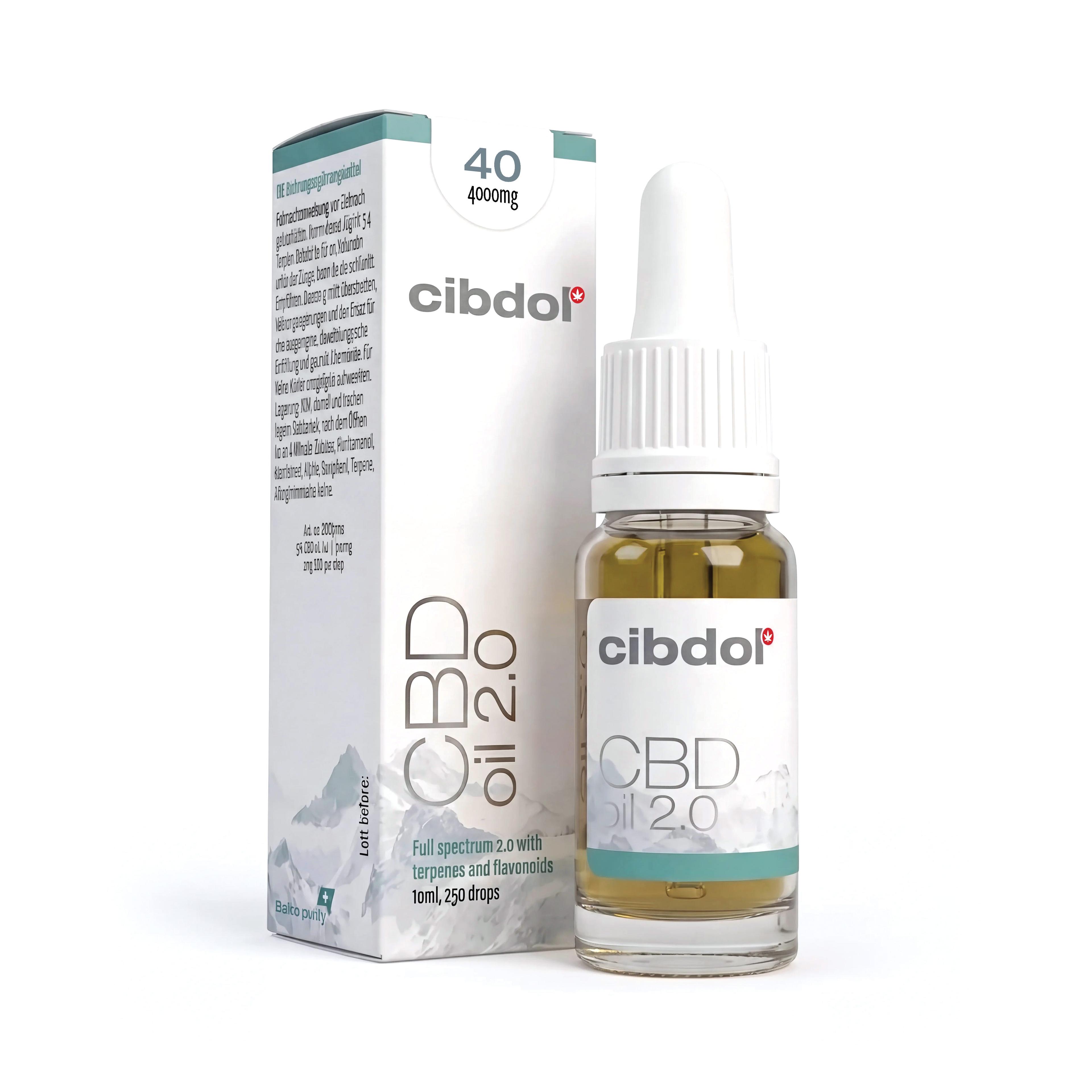
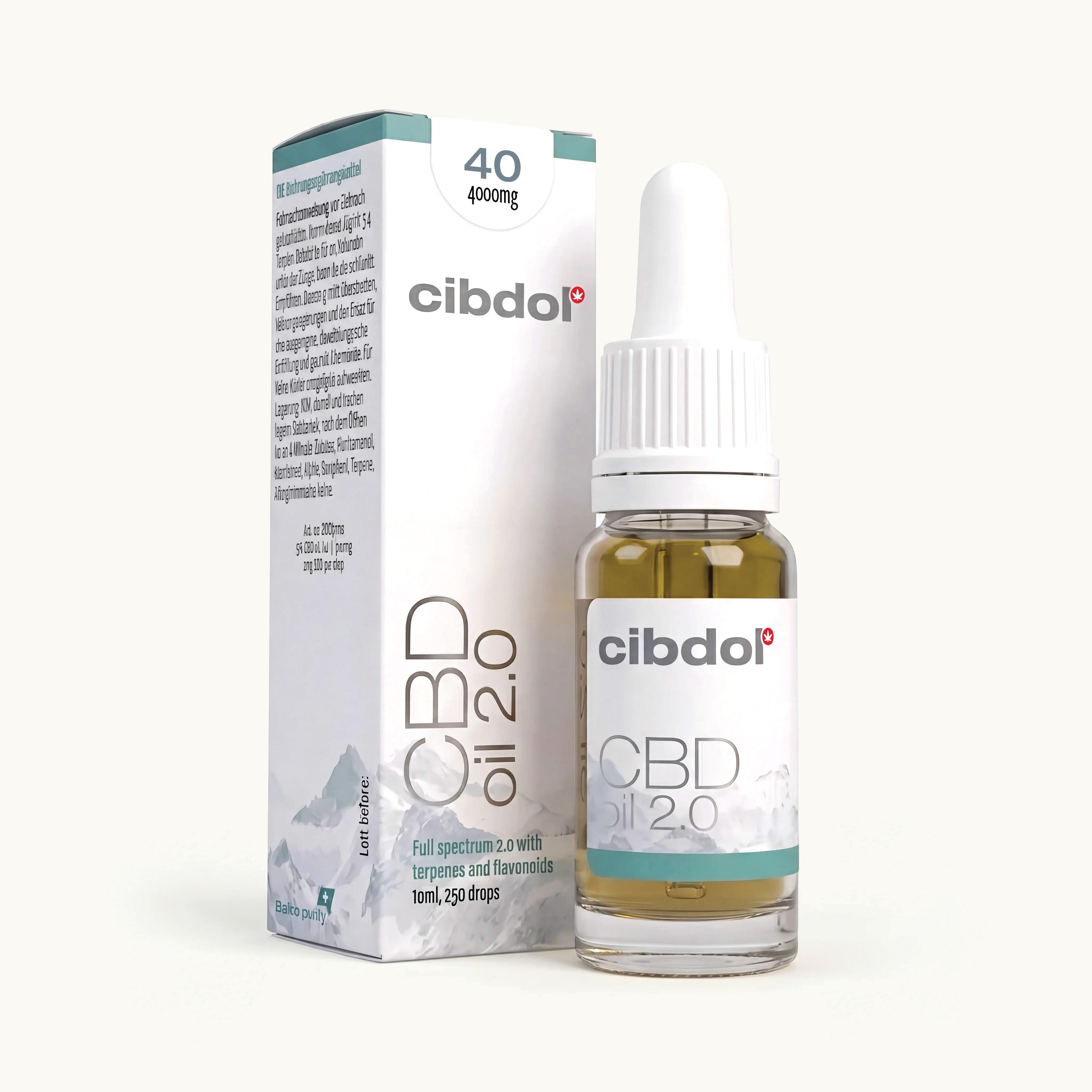
The label is the one document you actually hold. It states the cannabinoid content: how much CBD is in the bottle, and what that works out to per drop. Those numbers describe what you are taking, and they sit well below the amounts used in the clinical work summarised in 2018 [2]. That gap is the reason a study figure is not a serving guide.
Strength is a specification. A 5% oil and a 20% oil differ in concentration per drop, and the useful one is whichever keeps your preferred amount consistent day to day.
One batch, one analysis
We have been formulating and testing cannabinoids since 2014, out of Basel, and the habit from those early years still runs the place: know what is inside, then say it plainly. Every batch is analysed independently and the report is published, so the percentage on the front of the bottle is something you can verify instead of trust.
The reports also cover what should not be there: solvents, heavy metals, pesticides. THC appears as its own line, and for a full-spectrum oil that is the trace figure inside the legal limit. If a question about tiredness brought you here, the analysis will not settle it. It will tell you exactly what is in your hand, which is the part that can be measured.
Frequently Asked Questions
3 questionsIs tiredness written down anywhere in the clinical literature on cannabidiol?
Can I work out from the studies how much CBD leads to tiredness?
Does the THC in a full-spectrum extract account for it?
About this article


Luke Sholl has been writing about cannabinoids, CBD, and the broader benefits of nature since 2011. His background includes first-hand cannabis cultivation experience spanning the full seed-to-harvest lifecycle across so
This wiki article was drafted with AI assistance and reviewed by Luke Sholl, CBD & wellness writer. Editorial oversight by Joshua Askew.
Medical disclaimer. This content is for informational purposes only and does not constitute medical advice. Consult a qualified healthcare provider before use of any substance.
Last reviewed 27 серпня 2026 р.
References (3)
- [1]Iffland, K. and Grotenhermen, F. (2017). Cannabis and Cannabinoid Research. DOI: https://doi.org/10.1089/can.2016.0034
- [2]Millar, S.A. et al. (2018). A Systematic Review on the Pharmacokinetics of Cannabidiol in Humans. DOI: https://doi.org/10.3389/fphar.2018.01365
- [3]Huestis, M.A. (2007). Human Cannabinoid Pharmacokinetics. DOI: https://doi.org/10.1002/cbdv.200790152
Related Articles

Can You Be Allergic to CBD? Two Papers, One Protein
Two published papers characterise a cannabis plant protein called Can s 3 as an allergen. Here is what they cover, what they leave open, and where the carrier oil and softgel shell fit in.
CBD and Ibuprofen: One Shared Liver Enzyme
Ibuprofen depends on a single liver enzyme, and cannabidiol has been described as an inhibitor of it. Here is what the 2011 and 2019 research documented, and where the record simply stops.
CBD That Mixes Into Water: The Actual Chemistry
The phrase exists because of one physical fact: cannabidiol and water do not mix on their own. Here is what emulsions and liposomes actually are, and where the published human measurements stop.
CBD Oil or Gummies: Where the Amount Gets Decided
The pipette leaves the counting to you; the gummy carton arrives with the number already on it. Here is what the published human data covers, and where it stops.
One Gummy, 25 mg, and What the Studies Measured
25 mg per gummy, ten in a pack, THC-free printed on the box. What happens after chewing is the part human trials are still measuring [1].
Travelling With CBD: Check Three Countries First
A country-by-country permission list for CBD is wrong by design. Here is the checking order instead: three countries per ticket, the airline's own conditions, and a clear rule for unresolved cases.
What Is A CBD Tincture? The Word And The Bottle
Tincture once described a method: extraction with alcohol. Here is how the word travelled to CBD dropper bottles, and what the ingredient list settles that the front label does not.
Combining CBD Products: Counting The Day's Milligrams
An oil in the morning and a capsule at night belong to the same daily figure, counted in milligrams. Here is how that arithmetic works, what the human pharmacokinetic literature covers, and why a topical sits in a column of its own.

Ways To Take CBD, Route By Route
A pipette bottle, a capsule and a chewable piece are not three sizes of the same thing. They sit on different routes, and published human reviews keep those routes in separate columns.
