CBD and appetite: where the munchies story actually comes from
Definition
The munchies are a word borrowed from cannabinoid pharmacology, where they belong to CB1 receptor activity and to THC as a CB1 agonist [1]. Cannabidiol is a different molecule and is not a classical CB1 agonist, so that mechanism is not carried across to it in the literature. What does exist for cannabidiol is a clinical-data review from 2017 by Iffland and Grotenhermen, which lists appetite changes among reported effects, in both directions [2].
One word, two different molecules
Does cannabidiol bring on the munchies, meaning the appetite stimulation catalogued for THC in the 2007 human pharmacokinetics review by Huestis [1]? That is the question people type, and it has a clean starting point. The word itself comes from cannabinoid pharmacology, and inside that field it points at one thing: CB1 receptor activity [1].
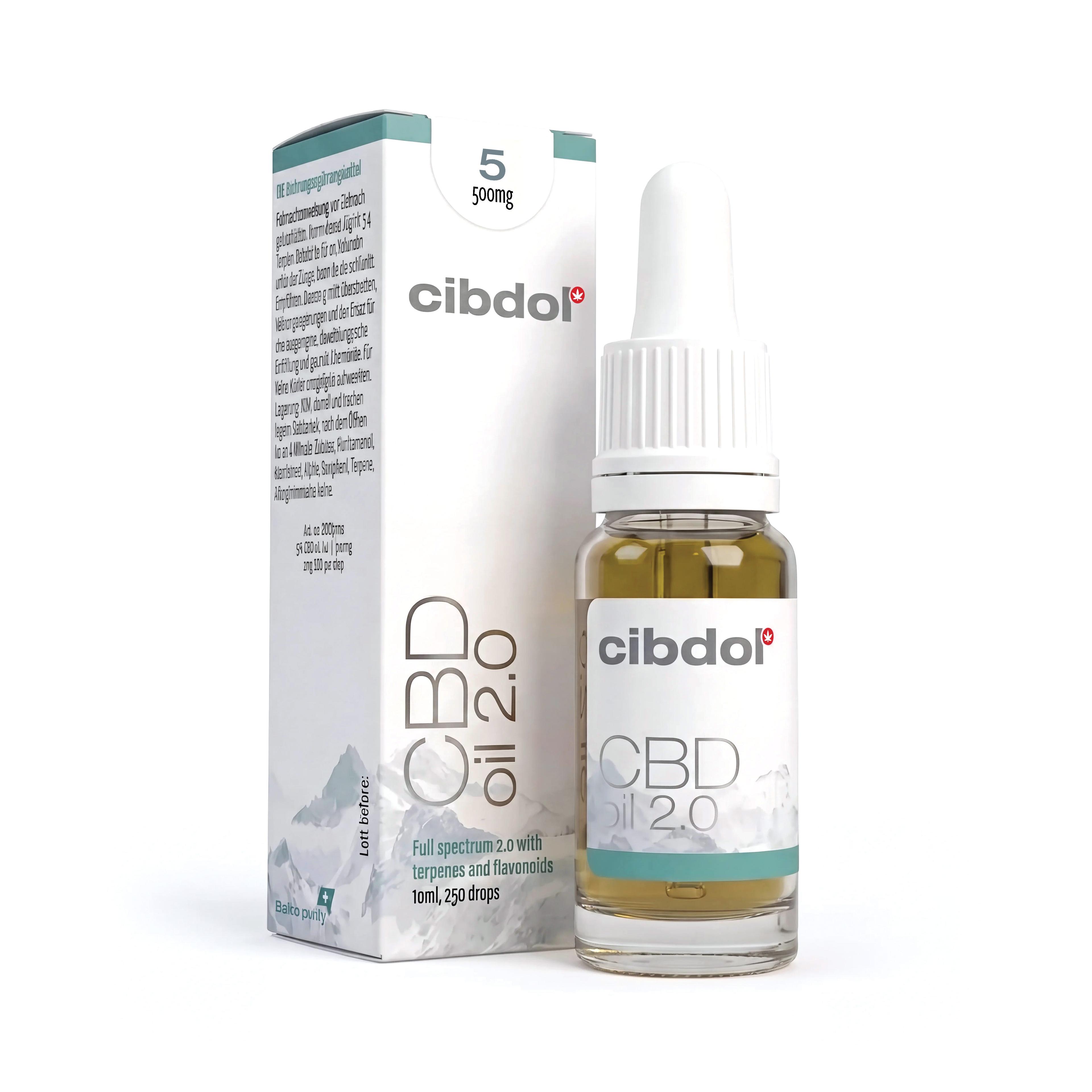
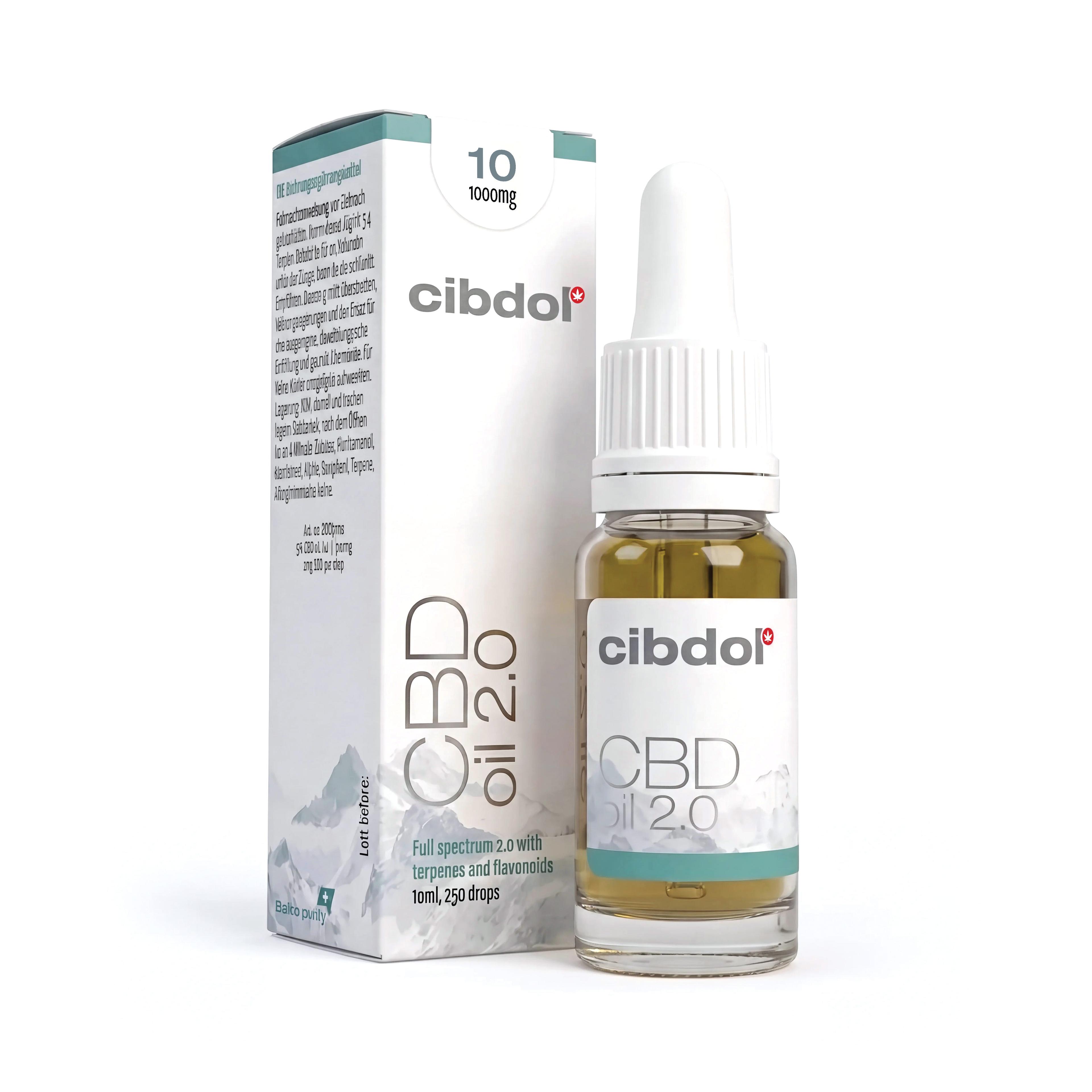
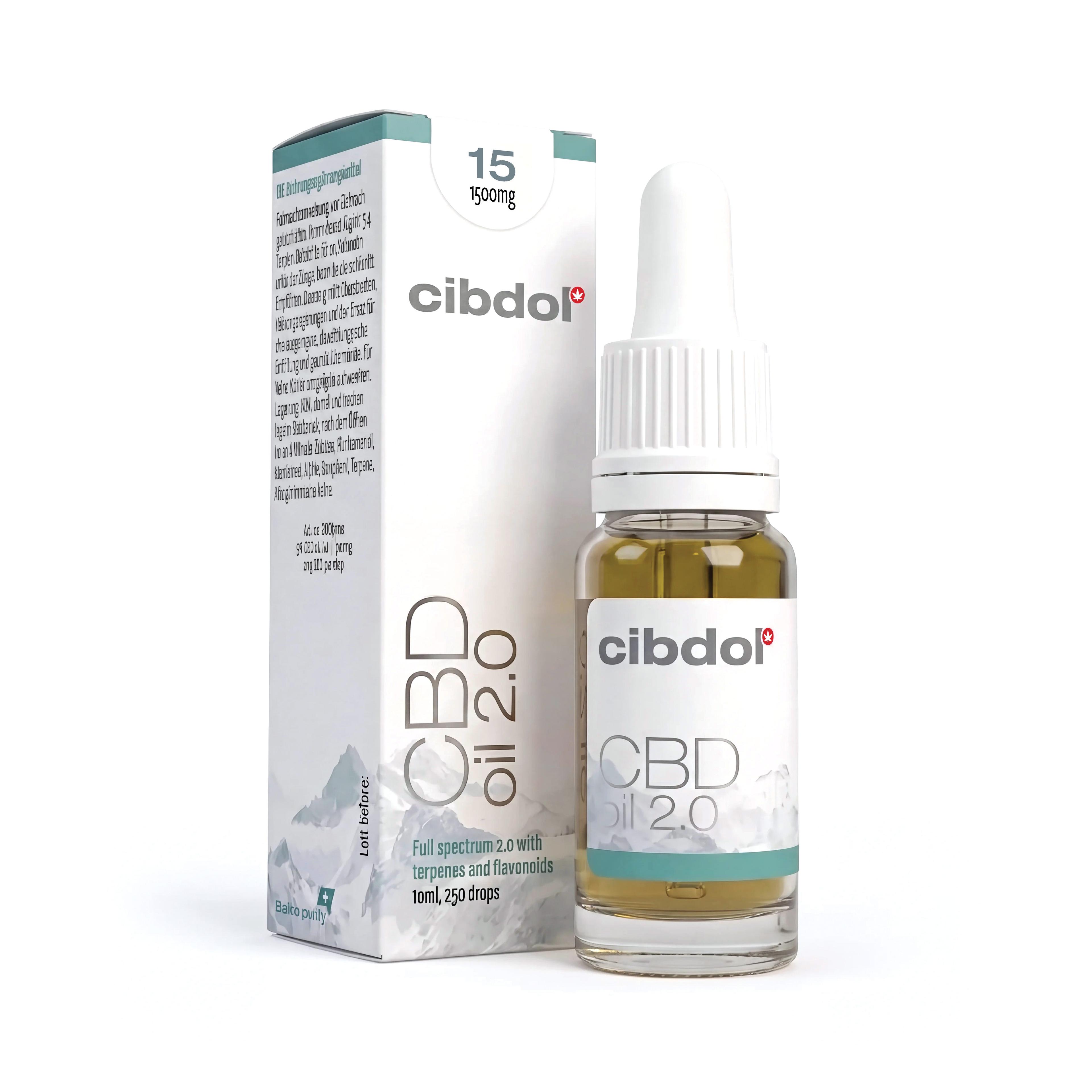
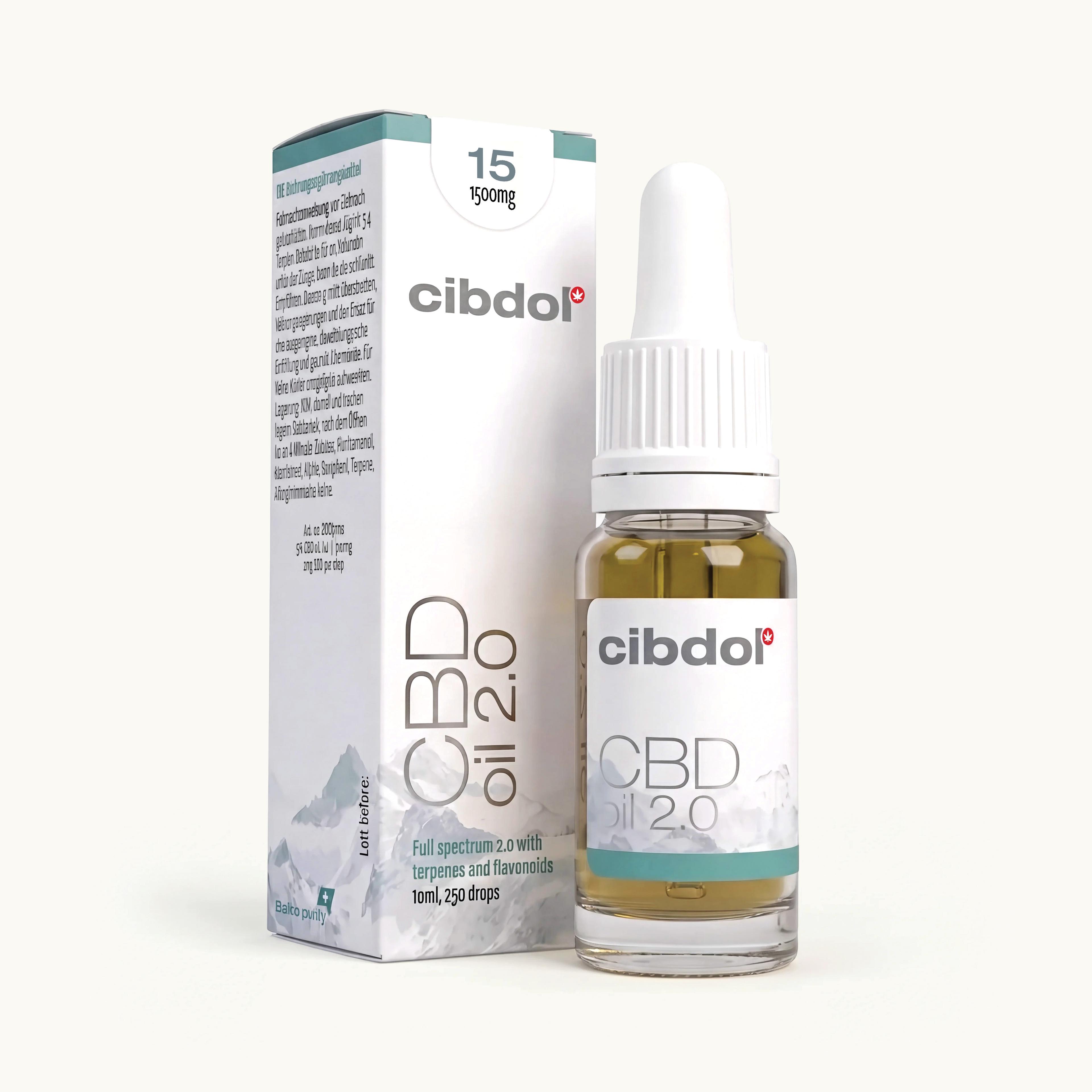
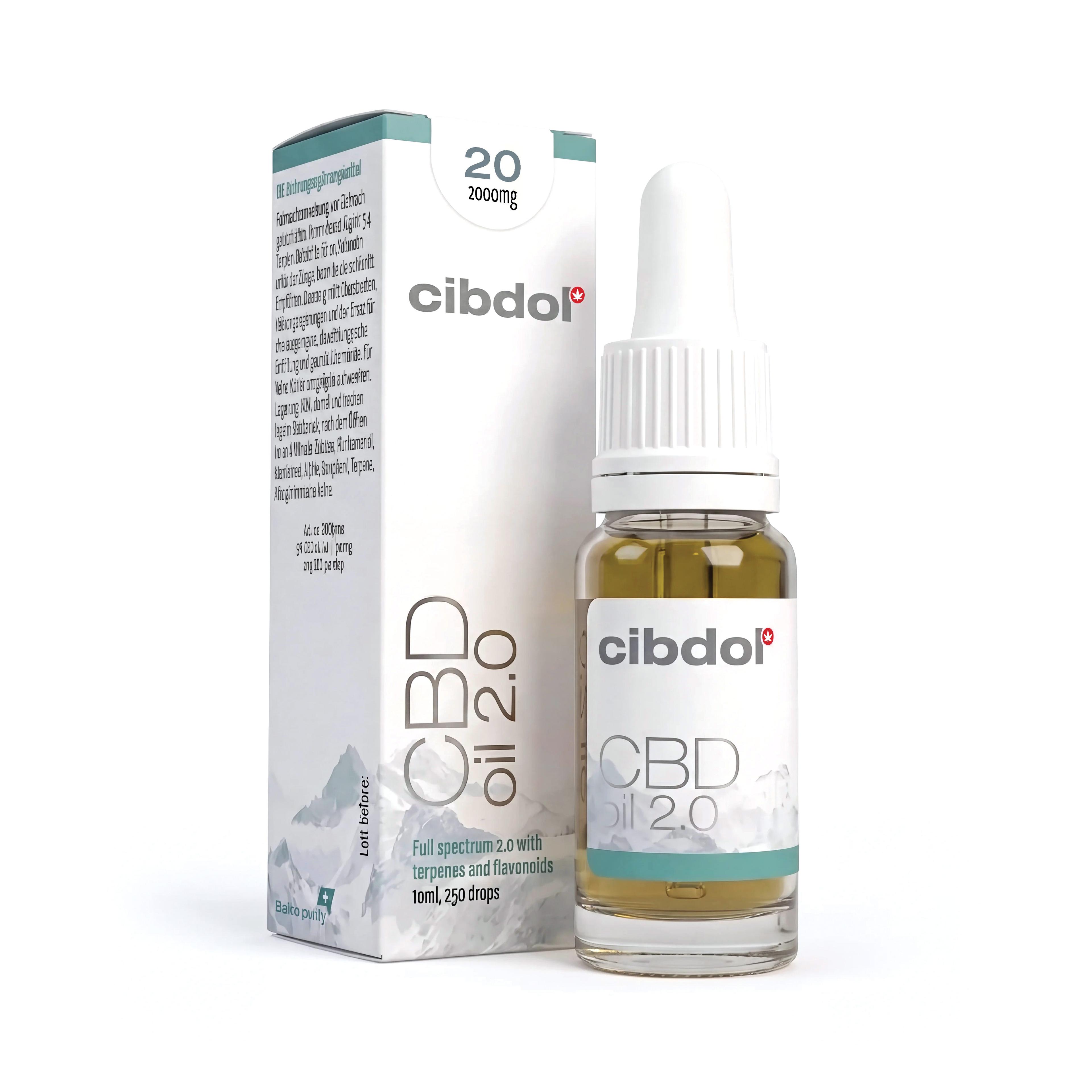
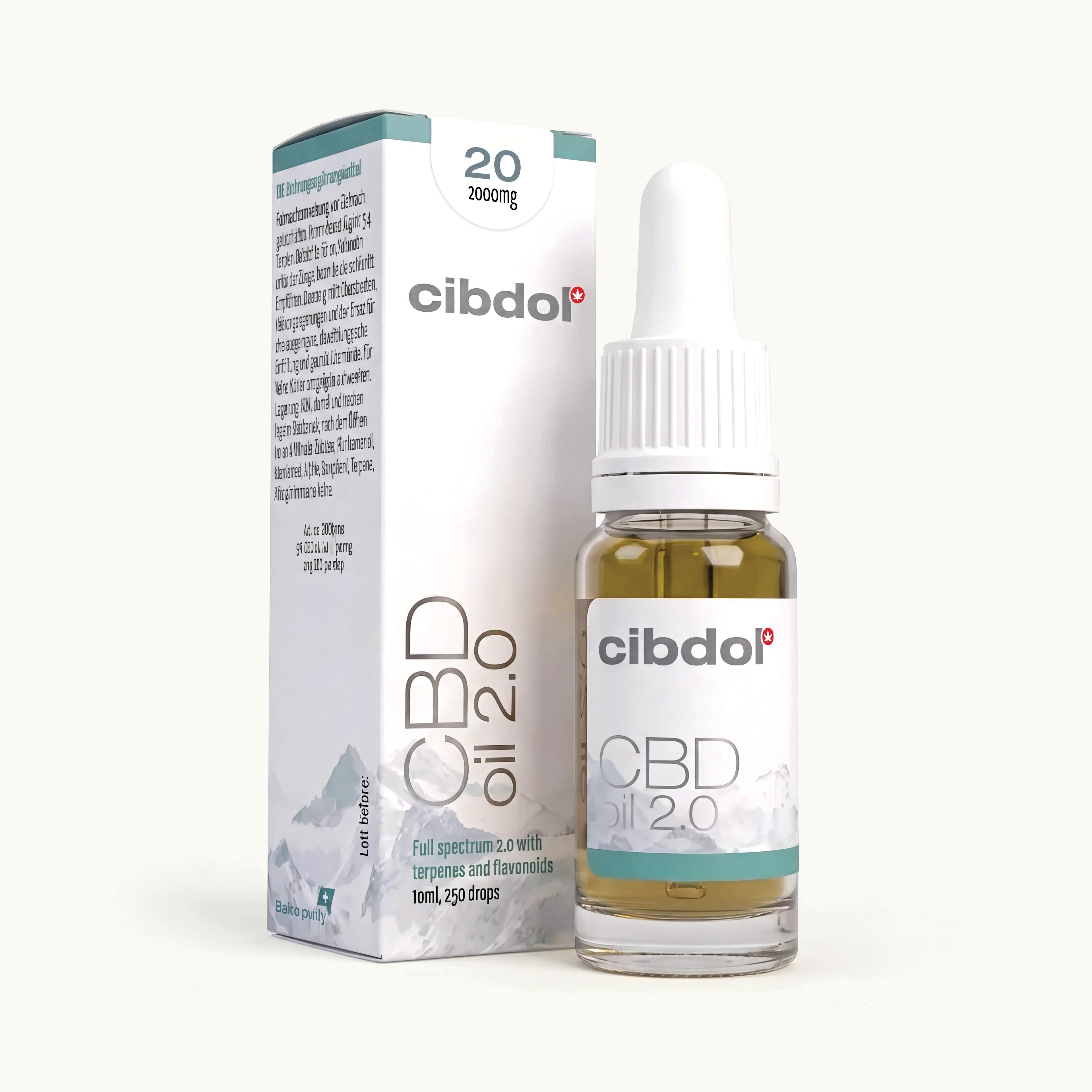
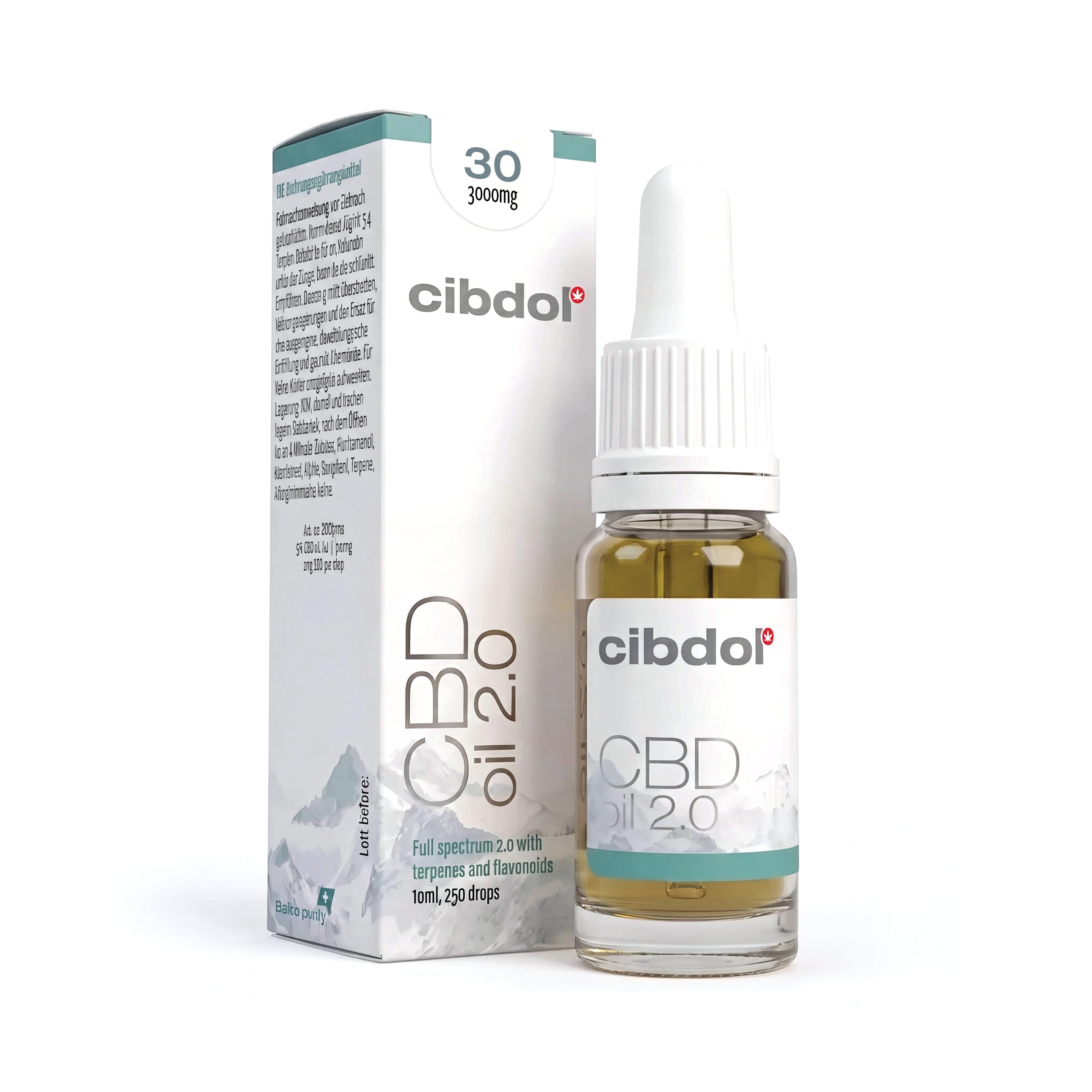
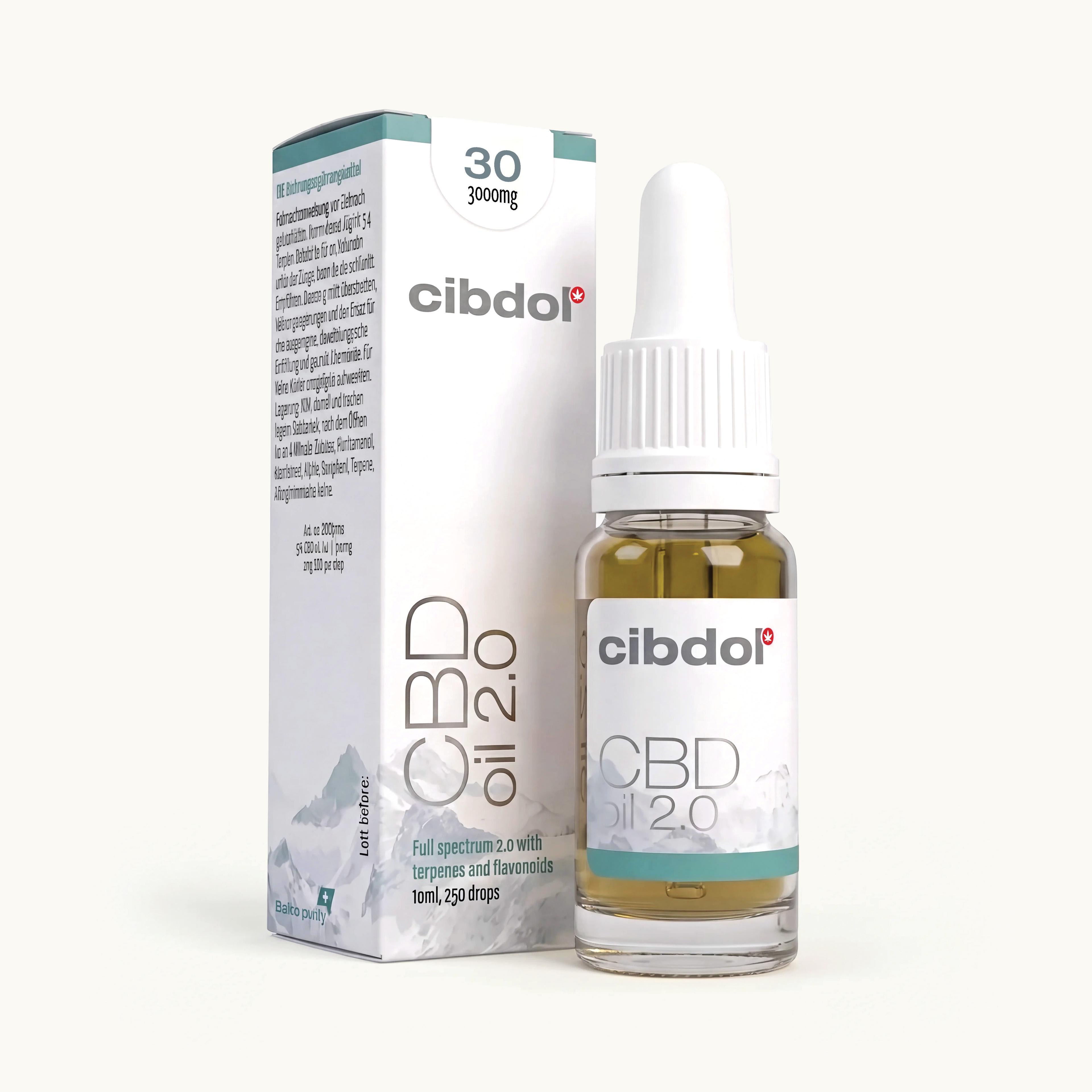
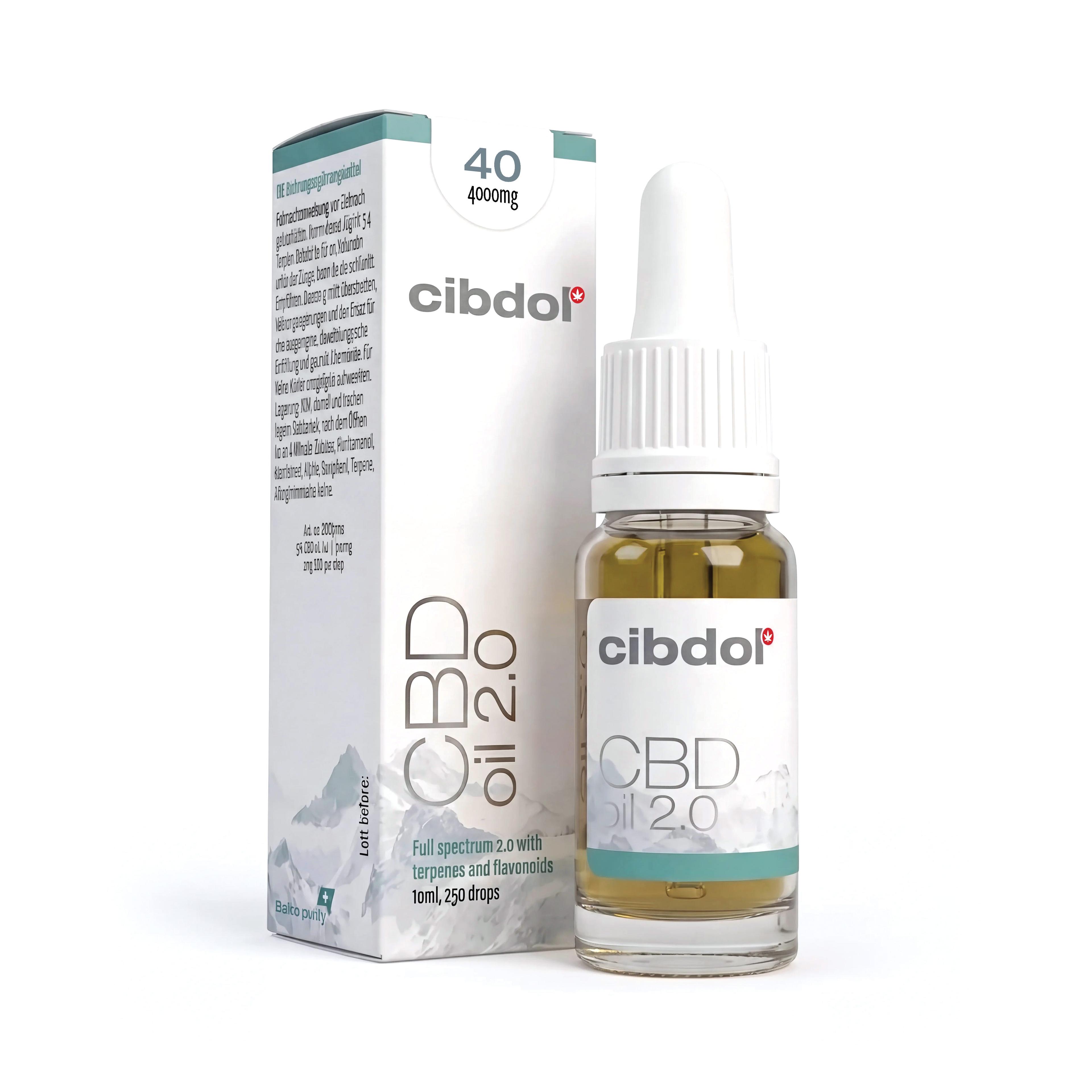
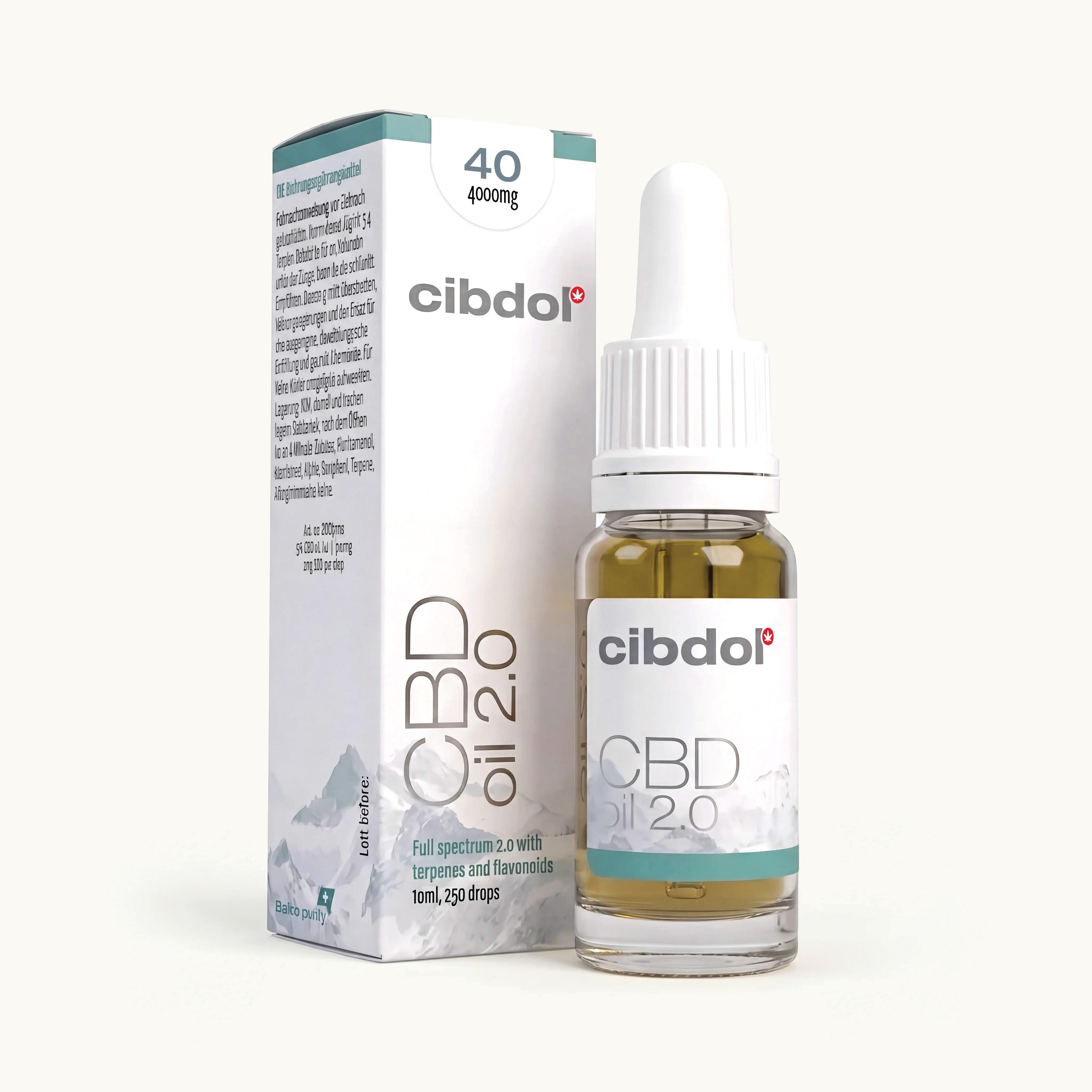
To inspect the concrete formats, strengths and bottle sizes available on the market, you can browse our CBD oil category.
CB1 is the binding site sitting closest to THC intoxication [1]. THC works as an agonist there, which means it switches the receptor on, and appetite stimulation appears among the effects catalogued in that same review [1]. So the munchies framing is a CB1 agonist story, and it was written about THC [1].
Cannabidiol sits elsewhere. It is not a classical CB1 agonist, and the literature does not transfer the agonist mechanism to it. That single sentence removes most of the confusion in this topic. The mechanism behind the munchies has a named molecule attached, and cannabidiol is not that molecule.
Which leaves the appetite question about cannabidiol open, and it gets answered from a completely different kind of source: clinical data. Iffland and Grotenhermen reviewed the cannabidiol clinical record in 2017 and list appetite changes among reported effects, with movement in both directions [2]. Both directions. Not one.
What the two cited works actually hold, point by point:
- Huestis 2007 sets out how much THC reaches the bloodstream and how fast, where inhaled and oral courses diverge, how the compound distributes, and how it is metabolised [1].
- CB1 receptors are described in the central nervous system and in peripheral tissue, which is why behavioural and physiological effects sit side by side in that review [1].
- Appetite stimulation is catalogued in that review as an effect of THC, under CB1 agonist activity [1].
- In the same review, the intoxicating profile belongs to THC only [1].
- Absorption and metabolism vary from person to person, which is a direct argument against expecting one uniform response [1].
- Iffland and Grotenhermen 2017 is a review of cannabidiol clinical data, and appetite changes are listed there among reported effects [2].
- The listing covers movement in both directions rather than a single direction, so it is not an appetite effect with a known sign [2].
Reported, recorded, and pointing both ways
A reported effect has a modest, exact meaning. Something was observed and written down inside a study. That is the status of appetite changes in the 2017 review by Iffland and Grotenhermen [2]. Not a mechanism. Not a dose response. An entry in a record.
The scope of that entry matters more than the entry itself. Movement is listed in both directions, which is different from an appetite effect with a known sign [2]. Some participants reported one way, some the other, and the review keeps the category without picking an arrow [2]. So anyone promising you a predictable outcome is going further than the cited work goes.
Read the two sources together and a pattern shows up. Reports in both directions inside the same review are a signal of non-uniform individual responses [2]. The pharmacokinetics side says something compatible: absorption and metabolism differ between people, and Huestis 2007 uses that variability as the reason a fixed response cannot be assumed [1]. Same amount, different bodies, different numbers in the blood.
The route matters too, at least on the THC side. Huestis 2007 separates inhaled from oral intake and describes how the bloodstream curve diverges between them [1]. That is another reason why a single sentence about hunger and cannabinoids tends to collapse under its own weight.
So there are two kinds of evidence in play, and they are not interchangeable. One is a mechanism with a catalogued effect attached: CB1 agonist activity, THC, appetite stimulation, all in the 2007 review [1]. The other is a listing inside a clinical-data review, where appetite changes appear as reported effects without an established direction [2].
We are comfortable stopping there. The direction per compound is not given in the 2017 review [2], and the 1995 work by Mechoulam and colleagues is a structural observation about a molecule rather than a claim about anything taken by mouth [3]. That is the honest shape of the evidence right now.
What it means for a reader is quiet but useful. If you are curious about your own appetite, the record supports watching rather than predicting. Individual responses are not uniform in either cited source [1][2]. Your notes are your data.
The body's own cannabinoids, part by part
| Part of the system | What it is, in plain terms | Where it sits in the cited work |
|---|---|---|
| Cannabinoid receptors | Binding sites for cannabinoid molecules. CB1 is the one described as closest to THC intoxication [1]. | Huestis 2007 places CB1 in the central nervous system and in peripheral tissue, so behavioural and physiological effects are catalogued together in that review [1]. |
| Endogenous ligands | Molecules the body builds itself to bind those receptors. Anandamide and 2-AG are the two that run through the literature. | 2-AG was identified as an endogenous monoglyceride from gut tissue that binds cannabinoid receptors by Mechoulam and colleagues in 1995 [3]. |
| 2-AG, said plainly | A fat-derived molecule made by the body, sitting in digestive tissue, binding the same receptor family as the cannabinoids in the plant [3]. | The 1995 identification is a structural observation. It is not a claim about intake [3]. |
| Synthesis enzymes | The proteins that assemble these molecules when signalling calls for them. | Counted among the components of the endocannabinoid system, alongside receptors and their own ligands. |
| Degradation enzymes | Anandamide is broken down by fatty acid amide hydrolase. 2-AG is broken down by monoacylglycerol lipase. | The closing half of the system as it is usually laid out: build, bind, break down. |
| Where the 1995 molecule was found | In the tissue where digestive signalling starts, not only in the brain [3]. | That location is why feeding behaviour appears in descriptions of endocannabinoid physiology, and it is the rationale for studying feeding under cannabinoid receptor signalling. |
| Plant cannabinoids at the same sites | THC acts as a CB1 agonist, and appetite stimulation is catalogued among its effects in the 2007 review [1]. | Cannabidiol is not a classical CB1 agonist, and the literature does not extend that mechanism to it. |
| What the 1995 paper does not contain | No direction per compound, and no cannabidiol claim at all [3]. | Anything about cannabidiol and appetite has to come from clinical-data reviews such as Iffland and Grotenhermen 2017 [2]. |
Question by question, with the source
| The question | What the cited work holds | Where that leaves it |
|---|---|---|
| Why is hunger attached to THC in the first place? | THC is a CB1 agonist, and appetite stimulation is catalogued among its effects in Huestis 2007 [1]. | A mechanism with a catalogued effect beside it [1]. |
| Is cannabidiol a CB1 agonist as well? | Not a classical one, and the agonist mechanism above is not transferred to it in the literature. | The munchies framing stays with THC and CB1 [1]. |
| Has anything about cannabidiol and appetite been written down? | Appetite changes are listed among reported effects in the 2017 cannabidiol clinical-data review by Iffland and Grotenhermen [2]. | Observed and recorded inside a study. That is the full status [2]. |
| Which way do those changes point? | Both directions are listed rather than a single direction [2]. | Open. No effect with a known sign [2]. |
| Does the same amount do the same thing in everyone? | Variable absorption and metabolism argue against a uniform expectation in Huestis 2007 [1], and both-direction reports in the 2017 review point the same way [2]. | Individual responses are not uniform in either source [1][2]. |
| Does the way it is taken change the numbers? | Huestis 2007 covers how much THC reaches the bloodstream and how fast, with inhaled and oral courses diverging [1]. | Documented for THC, in that review [1]. |
| Which of these molecules is the intoxicating one? | In that review, the intoxicating profile belongs to THC only [1]. | Answered inside the cited work [1]. |
| Does the digestive tract have anything to do with this system? | Mechoulam and colleagues identified a cannabinoid-binding monoglyceride in gut tissue in 1995 [3]. | A structural finding, not an intake claim [3]. |
| Do CB1 receptors only exist in the brain? | Huestis 2007 describes CB1 distribution across the central nervous system and peripheral tissue [1]. | Both, according to that review [1]. |
The bottle, the batch report, the open question
Once the pharmacology is separated out, what is left is a practical question about a bottle. And that part is checkable. A CBD oil should tell you the cannabinoid content it declares, the volume, and the milligrams of CBD in it. Those are numbers, and numbers can be verified against an analysis.
Cibdol has been working with cannabinoids since 2014, back when CBD still needed explaining at every step. One habit from that period has never changed: know what is inside. Every batch is independently analysed, and the report is published, so a declared percentage is something you can read rather than something you have to accept. Claims are cheap. Results are better.
Two things worth checking before anything else. First, the THC line. Our products are non-intoxicating and stay within the legal limits that apply, which is exactly the distinction the 2007 review draws when it assigns the intoxicating profile to THC alone [1]. Second, the full ingredient list, because an oil is an extract plus a carrier, and both belong on the label.
If you take prescribed medication or you live with an existing condition, speak to your doctor before adding anything new to your routine. That is the sensible order, and it is not a formality.
The open part stays open, and we would rather say so. The 2017 review by Iffland and Grotenhermen records appetite changes among reported effects in both directions, without assigning a direction to cannabidiol [2]. The 1995 identification by Mechoulam and colleagues describes a cannabinoid-binding molecule in digestive tissue, and it makes no cannabidiol claim [3]. The catalogued appetite stimulation belongs to a CB1 agonist in the 2007 pharmacokinetics review, and cannabidiol is not that agonist [1].
So there is a mechanism story on one side and a listing on the other, and nobody has joined them with an arrow yet. When that evidence changes, we will change with it. Until then, what we can give you is a formulation that is precisely made, a batch report you can read, and a straight answer about what the research does and does not show. Nature, made precise.
Frequently Asked Questions
4 questionsIs cannabidiol a CB1 agonist, the way THC is?
What does it mean when a review lists appetite changes in both directions?
What did the 1995 work by Mechoulam and colleagues actually find?
Will a CBD oil make me feel intoxicated?
About this article


Luke Sholl has been writing about cannabinoids, CBD, and the broader benefits of nature since 2011. His background includes first-hand cannabis cultivation experience spanning the full seed-to-harvest lifecycle across so
This wiki article was drafted with AI assistance and reviewed by Luke Sholl, CBD & wellness writer. Editorial oversight by Joshua Askew.
Medical disclaimer. This content is for informational purposes only and does not constitute medical advice. Consult a qualified healthcare provider before use of any substance.
Last reviewed 27 серпня 2026 р.
References (3)
- [1]Huestis, M.A. (2007). Human Cannabinoid Pharmacokinetics. DOI: https://doi.org/10.1002/cbdv.200790152
- [2]Iffland, K. and Grotenhermen, F. (2017). Cannabis and Cannabinoid Research. DOI: https://doi.org/10.1089/can.2016.0034
- [3]Mechoulam, R. et al. (1995). Biochemical Pharmacology. DOI: https://doi.org/10.1016/0006-2952(95)00109-d
Related Articles

Can You Be Allergic to CBD? Two Papers, One Protein
Two published papers characterise a cannabis plant protein called Can s 3 as an allergen. Here is what they cover, what they leave open, and where the carrier oil and softgel shell fit in.
CBD and Ibuprofen: One Shared Liver Enzyme
Ibuprofen depends on a single liver enzyme, and cannabidiol has been described as an inhibitor of it. Here is what the 2011 and 2019 research documented, and where the record simply stops.
CBD That Mixes Into Water: The Actual Chemistry
The phrase exists because of one physical fact: cannabidiol and water do not mix on their own. Here is what emulsions and liposomes actually are, and where the published human measurements stop.
CBD Oil or Gummies: Where the Amount Gets Decided
The pipette leaves the counting to you; the gummy carton arrives with the number already on it. Here is what the published human data covers, and where it stops.

One Gummy, 25 mg, and What the Studies Measured
25 mg per gummy, ten in a pack, THC-free printed on the box. What happens after chewing is the part human trials are still measuring [1].
Travelling With CBD: Check Three Countries First
A country-by-country permission list for CBD is wrong by design. Here is the checking order instead: three countries per ticket, the airline's own conditions, and a clear rule for unresolved cases.
What Is A CBD Tincture? The Word And The Bottle
Tincture once described a method: extraction with alcohol. Here is how the word travelled to CBD dropper bottles, and what the ingredient list settles that the front label does not.
Combining CBD Products: Counting The Day's Milligrams
An oil in the morning and a capsule at night belong to the same daily figure, counted in milligrams. Here is how that arithmetic works, what the human pharmacokinetic literature covers, and why a topical sits in a column of its own.

Ways To Take CBD, Route By Route
A pipette bottle, a capsule and a chewable piece are not three sizes of the same thing. They sit on different routes, and published human reviews keep those routes in separate columns.
