CBD and Driving: Three Questions, Kept Apart
Definition
A roadside cannabis test looks for delta-9-THC, not cannabidiol. That one fact splits the subject into three questions with three different answers: what the device measures, what a jurisdiction's blood limit says, and whether the product in the door pocket is lawful to own. They are usually discussed as if they were one question. They are not.
Three questions that arrive as one
Half seven, a lay-by, a mouth swab
Half seven on a wet Tuesday. Blue lights behind you, a lay-by, and a mouth swab passed through the window. Breakfast was coffee, toast, and a few drops of oil from a bottle bought legally in a British shop. Fair question, then: what is that swab actually reading?
One molecule. Roadside cannabis screening targets delta-9-tetrahydrocannabinol, the intoxicating cannabinoid in the plant, characterised in the 2007 pharmacokinetics review by Huestis [1]. Cannabidiol is not on the target list. A device built around THC has no reason to flag it, and no row on its output where CBD would appear.
One analyte, whatever the bottle said
The device cannot read labels either. Ask it where the THC came from and it has nothing to offer: hemp extract sold inside the market ceiling, or a controlled cannabis preparation, the reading is the reading. At assay level, the difference between those two products comes down to one thing, the quantity of THC present. Origin is not a measurable property of a molecule.
So the first question is narrower than it looks. Not whether cannabidiol is lawful. Not whether anyone feels anything. Just whether THC is measurable, and at what concentration. Answer that and you have answered close to nothing about the other two, which is precisely why they are worth keeping apart.
Where trace THC goes once it is inside you
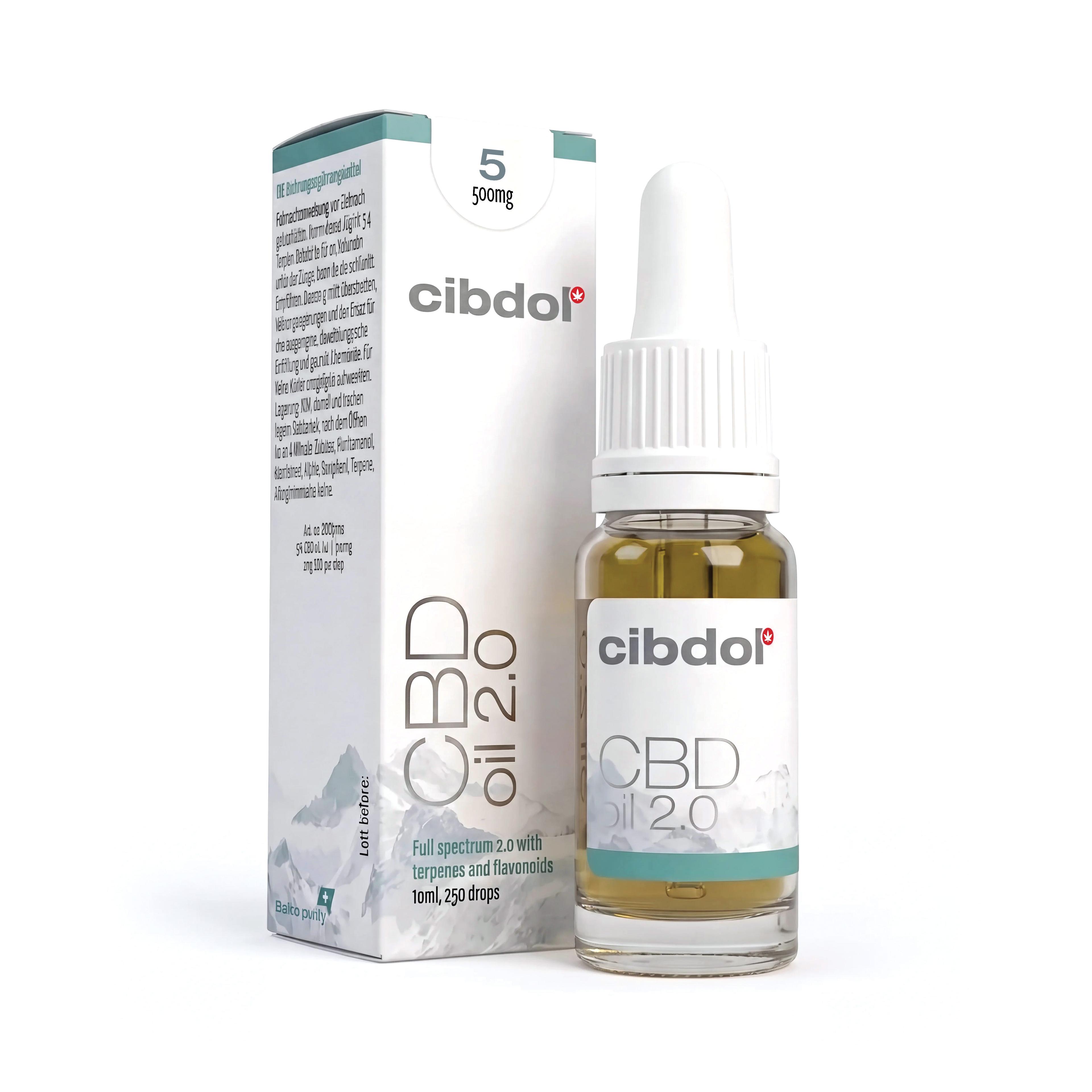
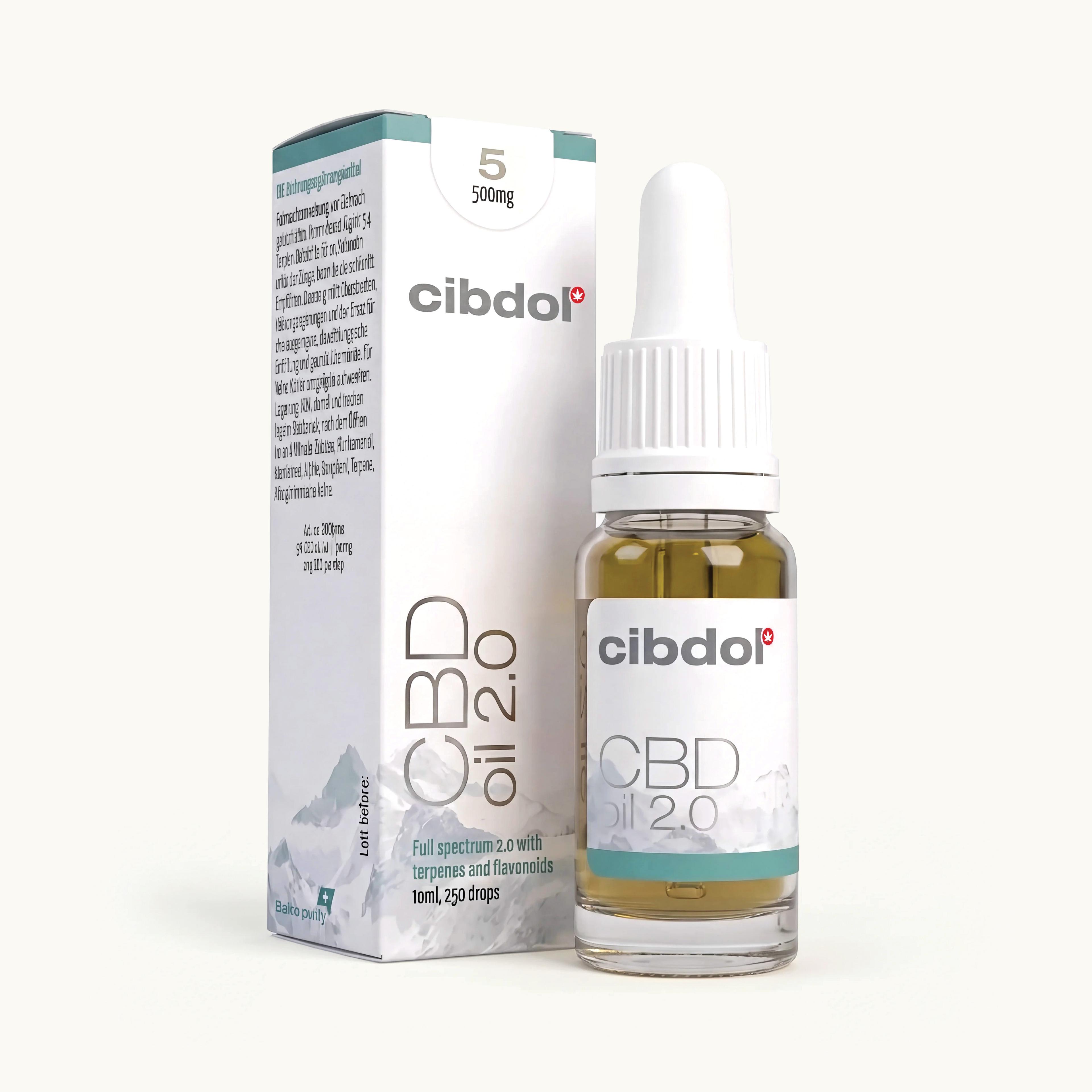
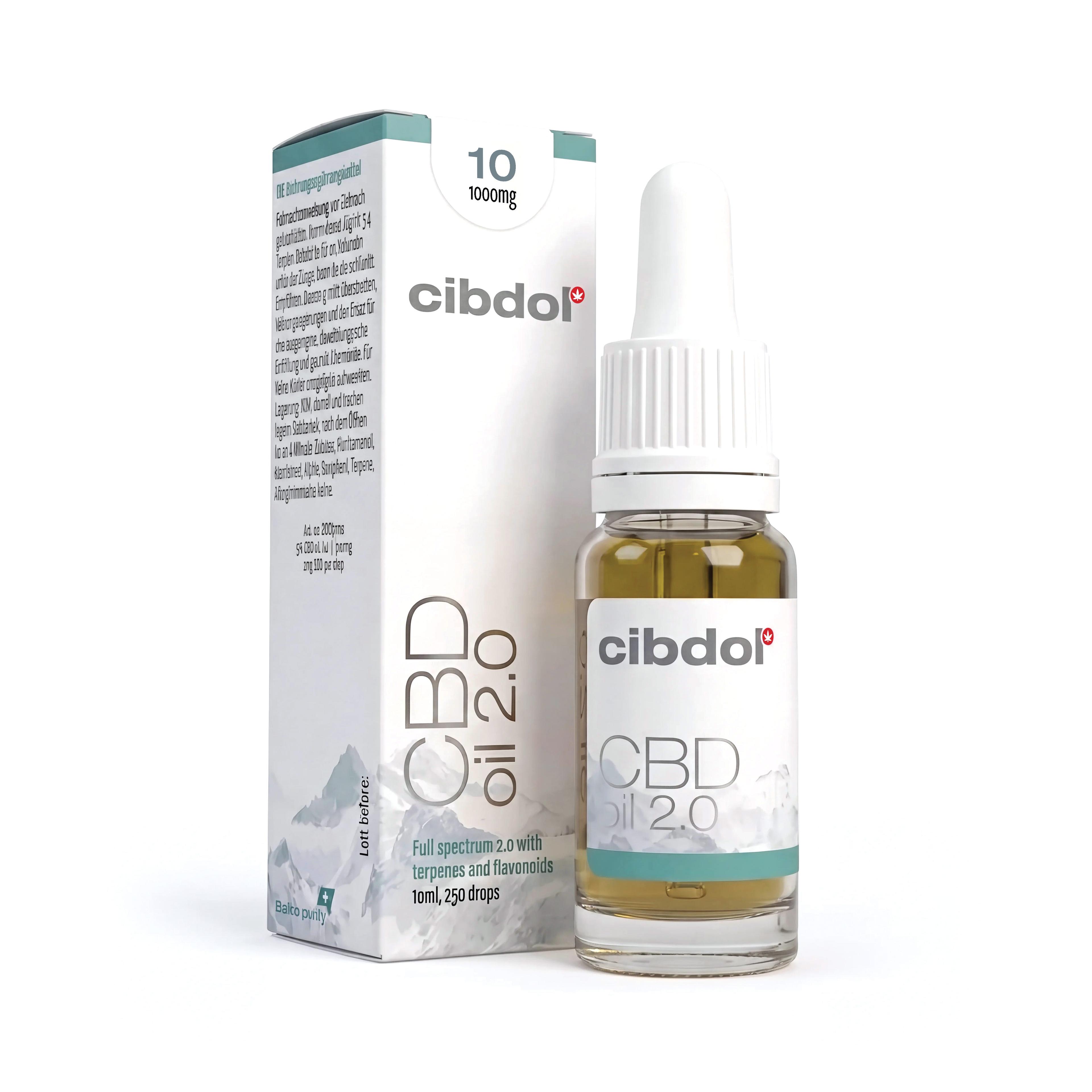
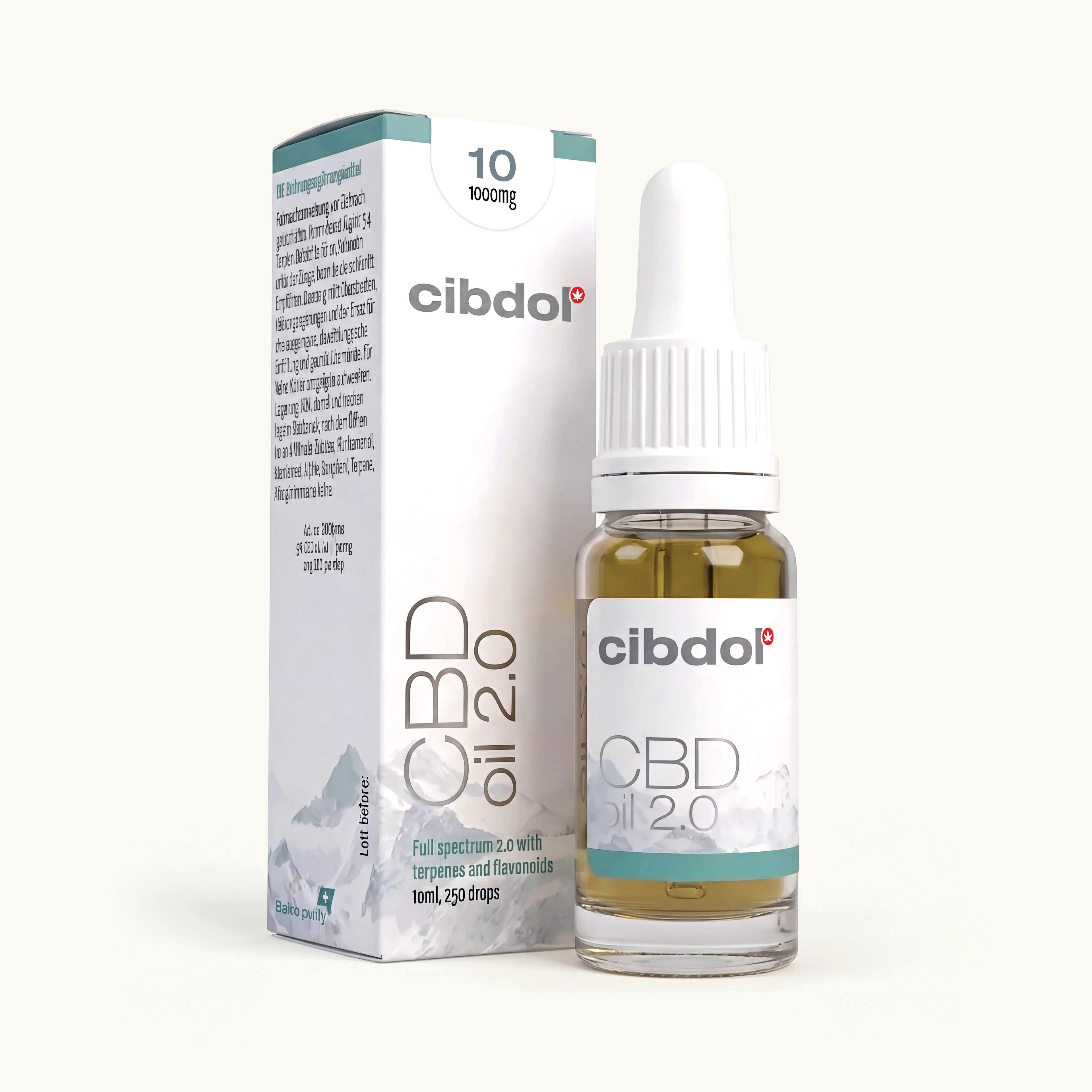
Full-spectrum oil keeps the broader range of hemp cannabinoids, and trace THC comes with that by definition. It is the purpose of the format, not an accident of it. The quantity stays inside the legal ceiling for the market where the product is sold, which settles the legal side of the ingredient and leaves a different question wide open.
That question is pharmacokinetic. THC is lipophilic, so it partitions into fat tissue and returns to the circulation slowly, across a far longer window than the size of the dose suggests, as set out in the 2007 review by Huestis [1]. Two variables are in play, then, not one. How much goes in. How often it goes in.
Occasional drops and sustained heavy use are not one case
Accumulation is a function of quantity and frequency. A few drops now and again sits at one end of that function. Repeated heavy use of trace-THC products sits at the other, and at that end the picture can move from nothing measurable to something measurable. That is the point where the two rulebooks meet.
What a particular person's blood would read at a particular hour is not something any page can calculate. Response varies with the individual, the quantity taken and the timing of it, a point made plainly in the 2017 review by Iffland and Grotenhermen [2]. Frequency is the variable people tend to leave out of the sum.
What British law actually counts
UK drug-driving law works from specified blood concentration limits attached to a named list of drugs. THC sits on that list. The limit set for it is deliberately low, and the thinking behind that is not subtle: the figure exists to capture use, not to mark out a tolerated amount that everyone can work within.
Read the structure of it and something else stands out. There is no mechanism in the limit for the product the THC came from. No exemption line, no origin field, no space for a receipt from a British shop. A blood concentration is a blood concentration, and the law asks about the number.
Change country, change the number
Other countries set their own analytical limits, with their own reasoning behind them, and the two do not reliably line up. Some work from a low threshold in the same spirit as the British one. Others draw the line somewhere else entirely.
Drive across borders and a single journey can pass through mismatched rulebooks, none of which take an interest in which side of a frontier the bottle was bought on. A ferry, a tunnel, a motorway in a different jurisdiction. The relevant figure is the one that applies where the vehicle is, at the moment it is stopped. That is the second of the three questions, and the one that shifts most with geography.
Buying it and driving after it are separate files
Product law sits in different instruments
Whether CBD can be bought and held legally is decided by a completely different body of rules from the one that governs what is in a driver's blood. Different instruments, different purposes, different questions being asked. If you want that side properly, our separate article on whether CBD is legal in the UK works through it, because it needs more room than a paragraph here can give it.
The trap is the assumption that ties the two together. A lawful purchase does not travel with a driving permission attached. Product legality and driving legality get answered in separate places, by separate tests, on separate evidence.
Where certainty actually comes from
There is a limit to what any article settles, and this is roughly where it sits. For a specific situation, a named jurisdiction and real dates, the route to certainty is a qualified lawyer practising where you drive. Not a shop page. Not an encyclopaedia entry. Not a thread from four years ago.
The 2017 review by Iffland and Grotenhermen is a solid read on the human data [2], and it is still not a legal opinion about your Tuesday morning. The three questions run on separate tracks. Knowing which one you are asking is most of the work.
Fitness to drive is its own offence
Most jurisdictions run a second offence alongside the concentration limits: driving while unfit through drugs, prescribed or otherwise. It stands on its own feet. It does not need a blood figure behind it, and it does not go away because a sample came back under a threshold.
Which is why alertness is not the softer, more informal version of the legal question. If someone notices tiredness after taking any preparation, prescribed or bought off a shelf, that observation belongs to this offence rather than to the limit, and tiredness appears among the effects recorded in the human data reviewed by Iffland and Grotenhermen in 2017 [2]. Quantity moves it. Timing moves it. So does the individual.
- Delta-9-THC is the analyte on the drug list; cannabidiol is not.
- At assay level, lawful hemp extract and a controlled cannabis preparation differ by THC quantity, and by nothing else.
- The UK limit is a blood concentration with no field for the product of origin.
- Other countries set their own limits with their own reasoning; one drive can cross several.
- Full-spectrum contains trace THC by design; broad-spectrum keeps the other cannabinoids and has the THC removed.
- The unfitness offence runs independently of any concentration figure.
What a batch report puts in writing
Full-spectrum and broad-spectrum, side by side
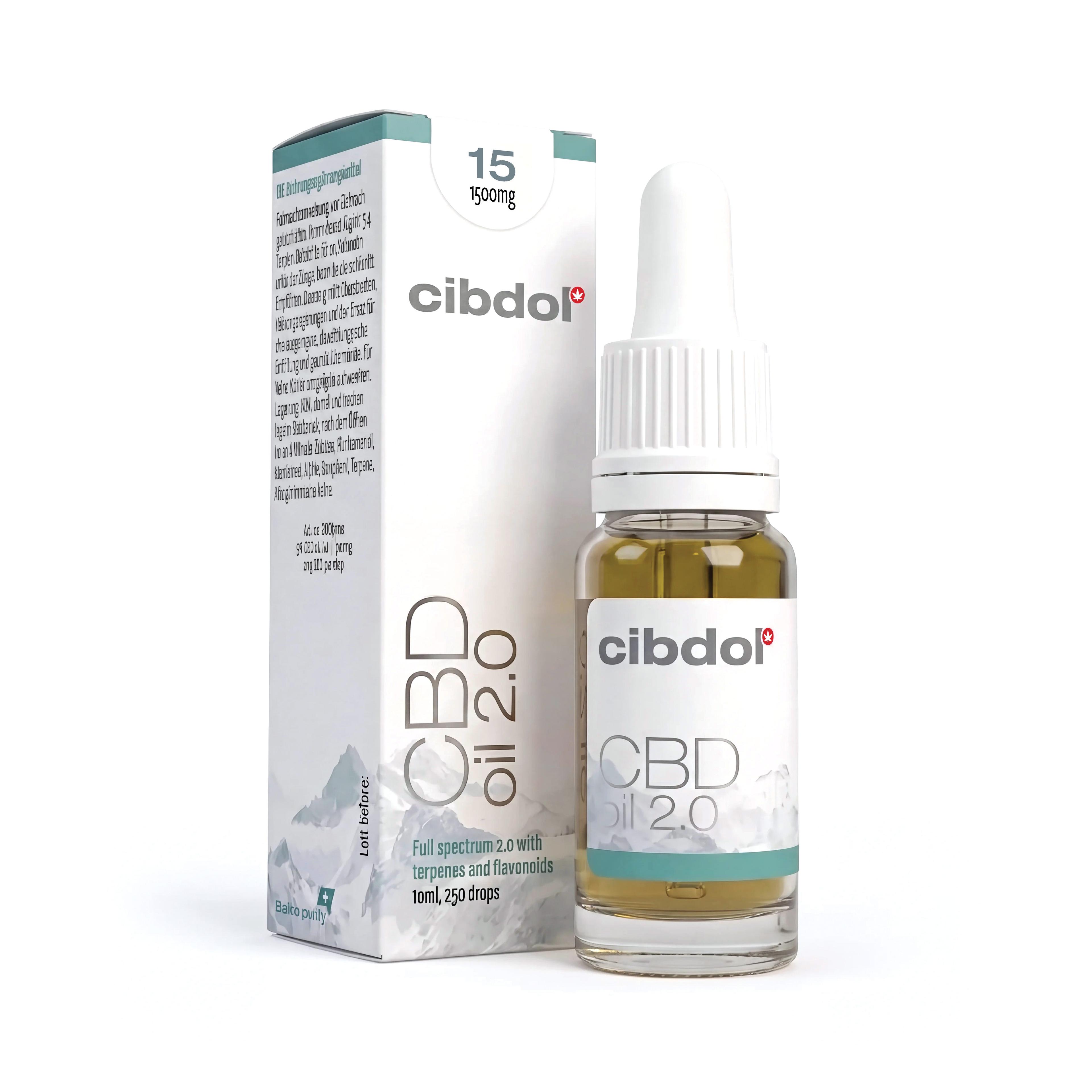
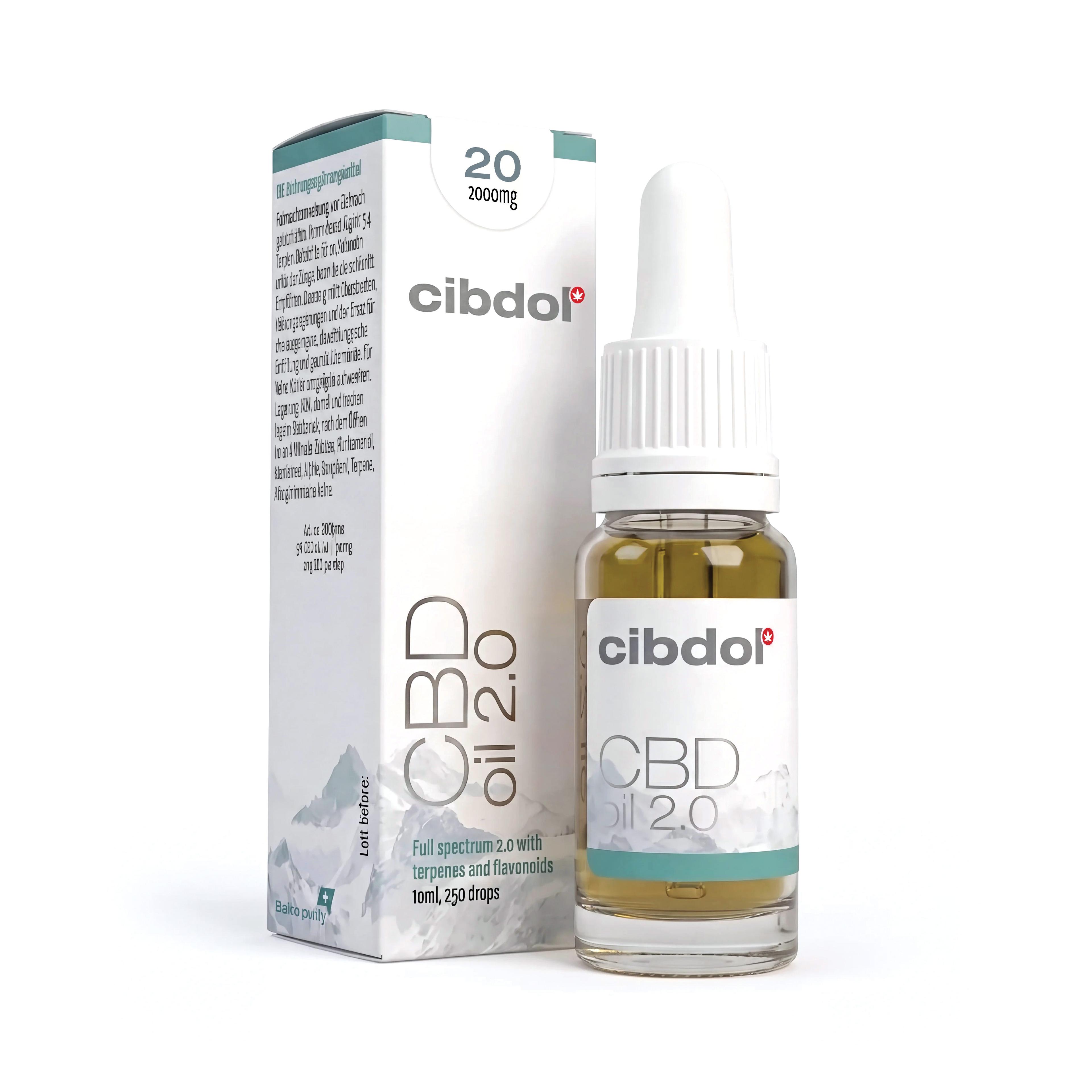
Two formats, one shelf. Full-spectrum keeps the broader hemp cannabinoid range, trace THC included, because that range is the reason the format exists at all. Broad-spectrum retains the other cannabinoids and has the THC taken out.
On a batch report, both can end up with the same phrase in the THC row: no detectable THC. Same three words, two rather different products standing behind them. Worth knowing before anyone reads that row as though it closed the question for a full-spectrum oil, whose declared purpose includes the trace amount in the first place.
Detection limits, read literally
A certificate of analysis is an independent laboratory record of measured cannabinoid content for a named batch, THC included. It is the document that turns a claim into a figure you can check against the label.
The wording has a precise meaning, too. No detectable THC describes the sensitivity of the analytical method used, not absolute zero. Below the limit of detection is not the same statement as absent. Cibdol has published measured numbers, batch by batch, since 2014, and driving is one of the contexts where that habit earns its place, because a driver reading a report wants the number and the method behind it rather than an adjective.
Frequently Asked Questions
4 questionsDo roadside devices react to cannabidiol?
Does a lawful CBD purchase count for anything at the roadside?
Can trace THC build up with heavy, repeated use?
Is tiredness after CBD a legal issue or just a comfort issue?
About this article


Luke Sholl has been writing about cannabinoids, CBD, and the broader benefits of nature since 2011. His background includes first-hand cannabis cultivation experience spanning the full seed-to-harvest lifecycle across so
This wiki article was drafted with AI assistance and reviewed by Luke Sholl, CBD & wellness writer. Editorial oversight by Joshua Askew.
Medical disclaimer. This content is for informational purposes only and does not constitute medical advice. Consult a qualified healthcare provider before use of any substance.
Last reviewed 27 серпня 2026 р.
References (2)
- [1]Huestis, M.A. (2007). Human Cannabinoid Pharmacokinetics. DOI: https://doi.org/10.1002/cbdv.200790152
- [2]Iffland, K. and Grotenhermen, F. (2017). Cannabis and Cannabinoid Research. DOI: https://doi.org/10.1089/can.2016.0034
Related Articles

Is CBD Legal in the UK? Reading the Two Rulebooks
The UK question almost never turns on CBD. It turns on THC under the Misuse of Drugs Act framework, and on food law once a product is sold to be eaten or drunk.

CBD Oil on the UK High Street: Reading the Pack Before the Till
Milligrams, percentages, full-spectrum, broad-spectrum: the printed lines that decide what a hemp pack actually tells you, and the one review that describes where the human data stood in 2017.
