








What Is CBG and How Does It Work?
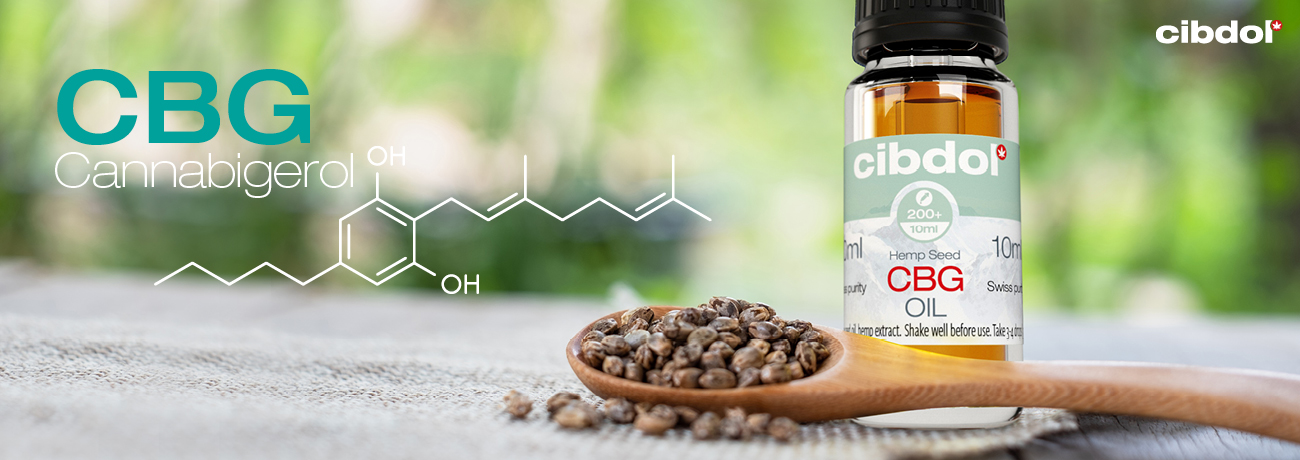
You’ve probably heard of CBD by now. It’s everywhere, from oils to capsules and skincare. But a quieter cannabinoid is starting to draw attention too: CBG. Short for cannabigerol, CBG is often described as a lesser-known compound with intriguing potential. So what is CBG, how does it work in the body, and how is it different from CBD or THC?
This guide offers a clear, science-backed overview for anyone curious about CBG. We’ll explore how it’s made in the cannabis plant, how it interacts with the body, what early research suggests about possible uses, and why caution is still essential.
What is CBG?
Cannabigerol is a naturally occurring cannabinoid found in the cannabis plant. Unlike THC, it does not produce intoxicating effects. And unlike CBD, it is typically present only in very small amounts.
CBG starts life as CBGA (cannabigerolic acid), a precursor compound produced by young cannabis plants. As the plant matures, enzymes convert CBGA into other acidic cannabinoids such as THCA, CBDA, and CBCA. When these are heated or aged, they become THC, CBD, and CBC.
Because CBGA is the chemical starting point for several major cannabinoids, CBG is often referred to as the “mother cannabinoid”. This label describes its biological role in the plant, not a claim that it is superior or more beneficial.
In most mature plants, only trace levels of CBG remain. This low abundance helps explain why CBG products are less common and usually more expensive to produce.1
How is cannabigerol produced and extracted from cannabis plants?
To create CBG-rich extracts, producers typically harvest plants early, before CBGA has fully converted into other cannabinoids. Specially bred low-THC hemp varieties can also be used to maximise CBG content while remaining within legal limits.
The key distinction here is between CBG and CBGA. CBGA is the acidic form found in raw plant material. Through heat or processing, CBGA is converted into CBG, the neutral form commonly used in oils and supplements.
Extraction methods are similar to those used for CBD, with CO₂ extraction widely regarded as a clean and controlled approach when done properly.
How CBG works in the body
So, how does CBG work? Well, it helps to first understand the endocannabinoid system (ECS). The ECS is a network of receptors, enzymes, and signalling molecules that plays a role in maintaining balance across many physiological processes.
The two best-known cannabinoid receptors are:
- CB1 receptors, found mainly in the brain and central nervous system
- CB2 receptors, found more commonly in immune cells and peripheral tissues
CBG interacts with both receptors, but in a different way from THC.2
What does the cannabinoid CBG do?
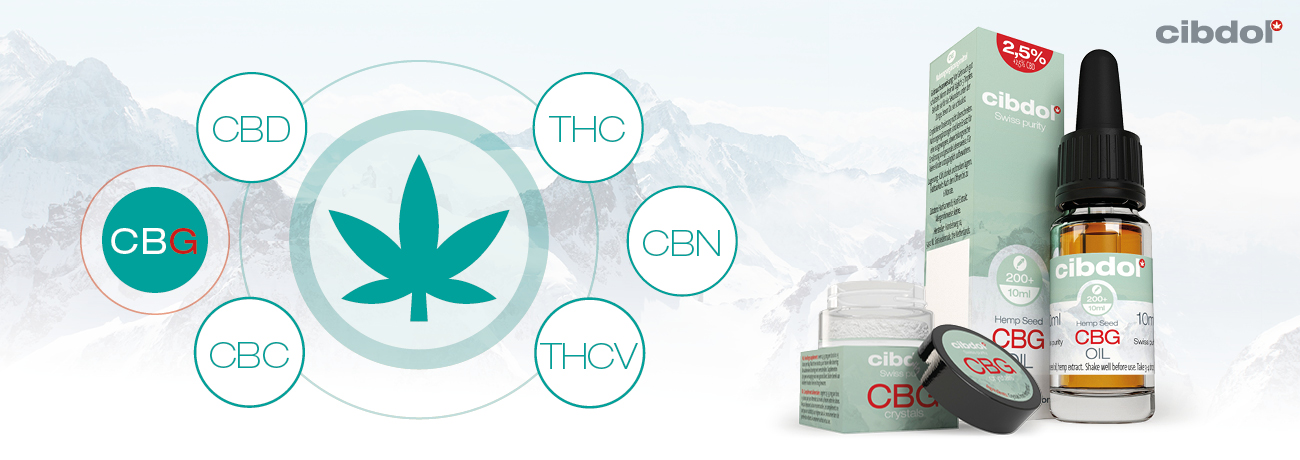
CBG is thought to act as a partial agonist at both CB1 and CB2 receptors. This means it can activate these receptors, but not as strongly as THC. This helps explain why CBG is non-intoxicating.
Research also suggests that CBG interacts with several other biological targets, including:
- Serotonin receptors, which may influence mood regulation
- TRP channels, involved in pain perception and inflammation
- Alpha-2 adrenergic receptors, linked to neurotransmitter release
Because of this broad activity, early studies have explored CBG uses for inflammation, potential CBG neuroprotective effects, and possible roles in supporting general well-being.
It’s important to stress that much of this research is preclinical. Findings from cell and animal studies help scientists understand mechanisms, but they do not confirm real-world health outcomes in humans.3
How does CBG compare to CBD in terms of effects and uses?
CBG and CBD share some similarities. Both are non-psychoactive, and both interact indirectly with the ECS rather than strongly activating CB1 receptors.
However, their pharmacology is not identical. CBD has very low affinity for CB1 and CB2 receptors and works largely by influencing enzymes and signalling pathways. CBG, by contrast, binds more directly to cannabinoid receptors, albeit gently.
In practical terms, this means CBG vs CBD comparisons often focus on subtle differences rather than dramatic contrasts. CBD is far more researched, widely available, and better understood. CBG remains an emerging compound with promising but still uncertain applications.
CBG vs CBD vs THC: What’s the difference?
Understanding the differences between CBG, CBD, and THC can help put CBG into context.
THC is the primary intoxicating compound in cannabis. It strongly activates CB1 receptors in the brain, producing the characteristic “high”. CBD does not cause intoxication and has a well-established safety profile when used appropriately.
CBG sits closer to CBD in terms of user experience. It does not produce euphoria or impairment. However, its receptor activity is distinct from both CBD and THC.
In summary:
- THC: Psychoactive, abundant in cannabis, strong CB1 activity
- CBD: Non-psychoactive, abundant in hemp, indirect ECS effects
- CBG: Non-psychoactive, rare, mild direct receptor activity
These differences are chemical and pharmacological, not value judgements about which cannabinoid is “better”.
Potential benefits and early findings
You’ll often see claims about CBG benefits and side effects online. At this stage, benefits should be described carefully.
Laboratory and animal studies have explored CBG in relation to inflammation, oxidative stress, and neurological function. Some researchers are interested in its antibacterial properties and its interaction with serotonin receptors.
What’s missing are large, well-controlled human clinical trials. Without these, it’s not possible to make firm conclusions about effectiveness, optimal dosing, or long-term safety for specific conditions.
For this reason, CBG should be viewed as a compound of scientific interest rather than a proven therapeutic.4
Limitations, safety & research gaps
CBG research is still in its early stages of development. Most existing studies are preclinical, and human data are limited.
Reported side effects appear to be mild and may include digestive discomfort, fatigue, or changes in appetite. However, this information comes largely from anecdotal reports rather than formal safety trials.
Potential interactions with medications are also not well studied. Anyone considering CBG alongside prescription drugs should speak with a qualified healthcare professional.
Because evidence is still developing, responsible brands and educators avoid making strong health claims and instead emphasise transparency and caution.
CBG in practice: What to know
As interest grows, CBG products are becoming more visible, particularly CBG oil benefits marketed alongside CBD.
Common product formats include oils, capsules, and occasionally topical formulations. Quality indicators are similar to those for CBD: Clear labelling, third-party testing, and transparent sourcing. When evaluating products, it’s wise to check:
- Independent laboratory certificates of analysis
- THC content within legal limits
- Clear information on extraction methods
Is CBG legal and widely available for purchase?
Consumers often ask, "Is CBG legal?" As in much of Europe, legality depends on THC content rather than the presence of CBG itself.
CBG derived from approved industrial hemp strains is legal, provided the final product contains no more than 0.2% THC and complies with food and supplement regulations. In the UK, for example, ingestible cannabinoid products also fall under novel food rules and must be properly authorised.
Availability is increasing, but CBG products are still less common than CBD due to higher production costs and regulatory complexity.5
General approach to dosage
You may also encounter searches for a CBG dosage guide. At present, there is no clinically established dosage for CBG.
Most guidance focuses on a cautious, educational approach rather than specific milligram recommendations. Factors such as body weight, individual sensitivity, and product concentration all play a role.
General principles often suggested include starting with a low amount, observing how your body responds, and avoiding combining multiple cannabinoid products without professional advice. This approach reflects the current state of evidence rather than a lack of transparency.
Is CBG right for you?
CBG is an intriguing cannabinoid with a unique role in the cannabis plant and a growing scientific profile. Early research suggests potential applications in areas such as inflammation and neurological support; however, evidence in humans remains limited.
For curious consumers, CBG represents an opportunity to learn more about the complexity of cannabinoids beyond CBD and THC. For now, the most informed approach is to adopt a cautious exploration, prioritise quality, and maintain ongoing engagement with emerging research and regulations.
As science evolves, our understanding of CBG will become clearer. Until then, informed awareness remains the most reliable guide.
References
- ElSohly MA, Radwan MM, Gul W, Chandra S, Galal A. Phytochemistry of Cannabis sativa L. Prog Chem Org Nat Prod. 2017;103:1-36. doi:https://doi.org/10.1007/978-3-319-45541-9_1 ↩︎
- Pertwee RG. Pharmacological actions of cannabinoids. Handb Exp Pharmacol. 2005;(168):1-51. doi:https://doi.org/10.1007/3-540-26573-2_1 ↩︎
- Deiana S. Medical use of cannabis. Cannabigerol: A new promising cannabinoid. Prog Brain Res. 2017;231:1-19. doi:https://doi.org/10.1016/bs.pbr.2017.01.001 ↩︎
- Nachnani R, Raup-Konsavage WM, Vrana KE. The pharmacological case for cannabigerol. J Pharmacol Exp Ther. 2021;376(2):204-212. doi:https://doi.org/10.1124/jpet.120.000340 ↩︎
- UK Food Standards Agency. Cannabidiol (CBD) products: Novel food guidance. Food Standards Agency website. Published 2020. https://www.food.gov.uk/business-guidance/cannabidiol-cbd-products ↩︎